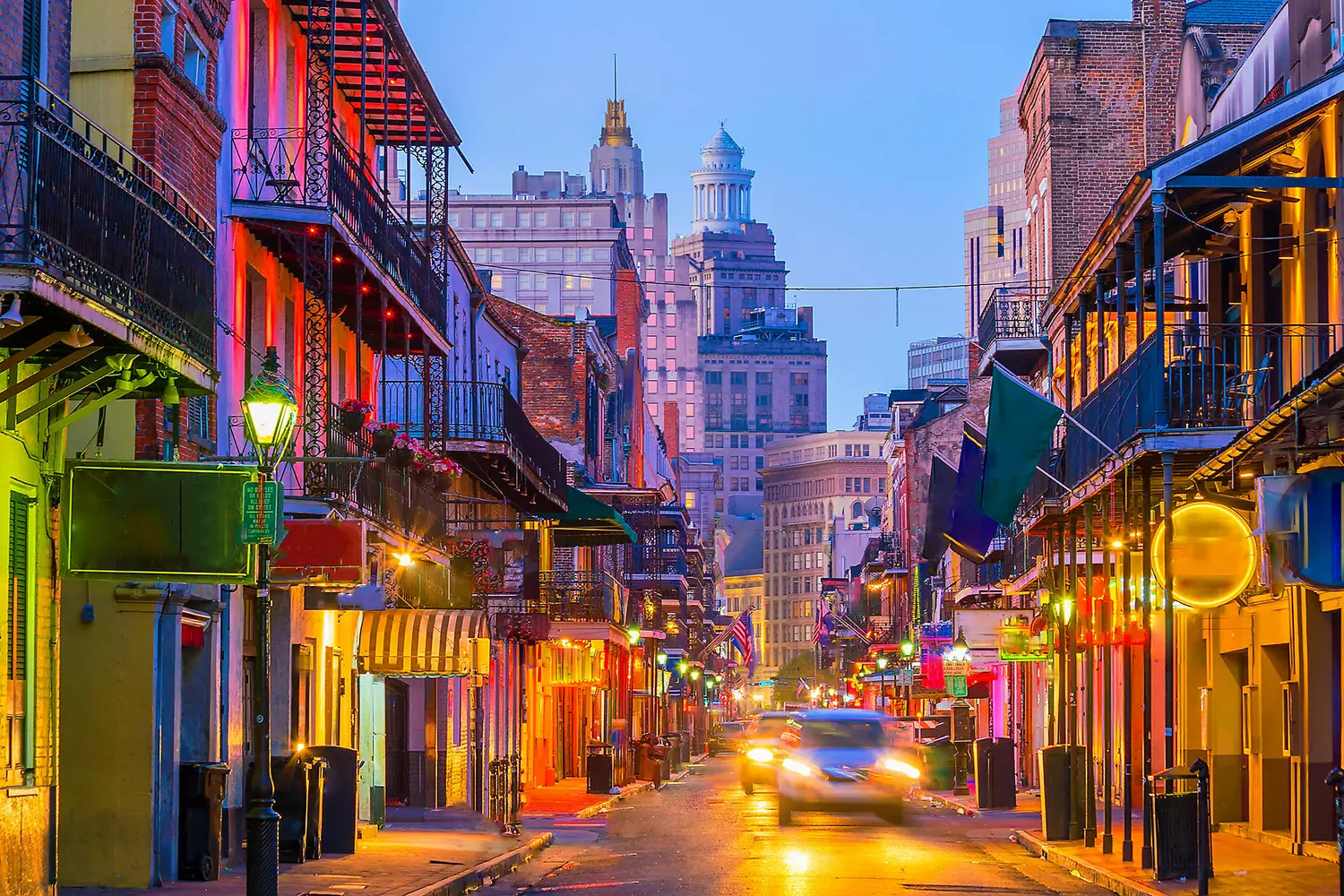


Traveling through New Orleans rarely means just strolling through the French Quarter, attending jazz concerts, or exploring Creole cuisine. This city has a way of surprising visitors from a completely different angle. Beyond its famous architecture, lively festivals, and rich history, you’ll find spacious green parks, scenic riverfronts, historic mansions, and unique natural attractions. One of them is rightfully considered Audubon Zoo — one of the most famous and most visited zoos in the United States.
This place has long outgrown the idea of a typical city zoo. Today, Audubon Zoo is part of a leading wildlife conservation complex in the country, where modern animal care techniques are combined with scientific research, educational programs, and a strong commitment to protecting endangered species. That is why it attracts not only tourists, but also researchers, photographers, families with children, and anyone interested in wildlife. Every year, Audubon Zoo welcomes hundreds of thousands of visitors from around the world. Some come hoping to see rare animals that cannot be found in the wild, others spend a family day combining leisure with education, while many simply look for a peaceful escape from the busy streets of New Orleans. And almost everyone agrees that this zoo exceeds even the highest expectations.
The key feature of Audubon Zoo lies in its philosophy. Animals are not simply displayed for visitors — they are provided with environments that closely resemble their natural habitats. Instead of traditional cages, guests encounter spacious themed areas featuring tropical forests, African savannas, Louisiana swamps, Asian jungles, and large water habitats. Thanks to thoughtful landscape design and natural barriers, it feels as if you are traveling across different parts of the world rather than walking through a single zoo. In just a few hours, visitors can “travel” across multiple continents: observe majestic giraffes in the African Savanna, see rare Malayan tigers in dense Asian jungles, meet the inhabitants of Louisiana’s wetlands, and admire exotic birds flying freely in open aviaries. This diversity makes every visit rich and unique.
Equally important is that Audubon Zoo is enjoyable for visitors of all ages. It is easy to spend an entire day here thanks to shaded walkways, rest areas, cafés, and interactive zones. Children can enjoy playgrounds and educational programs, while adults can join guided tours, watch animal feeding sessions, or simply enjoy a walk through one of the most beautiful parks in New Orleans. Audubon Zoo is ideal for many types of visits: family trips, outings with children, romantic walks, self-guided tours, educational visits, photography sessions, relaxed nature escapes, and exploration of wildlife from different continents. Even if you have already visited renowned zoos in Europe, Asia, or other parts of the United States, Audubon Zoo is likely to surprise you. There is no feeling that the animals are kept in artificial conditions. On the contrary, many exhibits are so naturally integrated into the landscape that the boundary between people and nature almost disappears.
In this article, we will take a closer look at the history of Audubon Zoo, its most interesting themed zones, rare animals you can see here, ticket prices, opening hours, useful visitor tips, and nearby attractions. This guide will help you plan your visit in advance and get the most out of one of the best zoos in America.

When Hurricane Katrina struck New Orleans in 2005, Audubon Zoo staff stayed with the animals, caring for them around the clock as the city recovered from the disaster.
From Exhibition Grounds to Wildlife Haven: The History of Audubon Zoo
The history of Audubon Zoo is not just a chronicle of a single zoological park. It is the story of how a small animal collection located in a city park gradually evolved into one of the most modern wildlife conservation complexes in the United States. Today, hundreds of thousands of tourists visit it every year, but this success took more than a century to achieve — and the journey was far from simple.
- 01. It all began with the World Cotton Exposition
The origins of Audubon Zoo date back to the 19th century. In 1884, New Orleans hosted the World’s Industrial and Cotton Centennial Exposition — a major international event dedicated to industry, trade, and agriculture. A vast area along the Mississippi River was developed for the exposition, with dozens of pavilions, exhibition halls, and walking promenades built for the occasion. After the event ended, most temporary structures were dismantled, but the site itself proved so successful that city authorities decided to preserve it as a public space. This became Audubon Park — now considered one of the most beautiful parks in New Orleans.
Almost immediately, animals began to be kept on the grounds. These were mainly representatives of Louisiana’s local fauna, along with a few exotic species donated by private collectors and travelers. By modern standards, it could hardly be called a real zoo. Rather, it was a small menagerie where locals came for weekend walks. Despite its modest scale, public interest was enormous. The collection gradually grew, and the site became increasingly popular among residents. - 02. The early decades: a small urban menagerie
In the early 20th century, Audubon Zoo continued to develop, although funding remained limited. New animals arrived irregularly, and living conditions reflected the standards of the time. Most zoos worldwide consisted of rows of metal cages and concrete enclosures, with the primary goal being to display as many exotic animals as possible rather than provide natural habitats. Audubon Zoo was no exception. Visitors could see lions, bears, monkeys, birds, and large reptiles, but the exhibits were quite modest. Many enclosures were built without consideration for animals’ natural needs, which was then considered normal practice. Nevertheless, the zoo’s popularity grew alongside the city itself. - 03. The Great Depression and large-scale construction
One of the most important development phases came during the Great Depression of the 1930s. Despite the severe economic crisis, this period saw the construction of many permanent structures at Audubon Zoo. Funding came from the federal Works Progress Administration (WPA), created to combat unemployment. Through this program, hundreds of New Orleans residents gained jobs, while the zoo received new buildings, pathways, bridges, and infrastructure. Many of these structures still exist today and are considered historic landmarks. Notable examples include:
- A sea lion pool built in 1928 in elegant Art Deco style;
- An elephant pavilion from 1934 designed in the style of a French country estate;
- A historic bird house opened in 1916, one of the oldest structures in the complex.
Today, these buildings are no longer used in their original form, but they remain reminders of what the zoo looked like nearly a century ago and add a unique historical atmosphere to the site.
- 04. Monkey Hill — New Orleans’ most unusual “mountain”
If you ask locals which Audubon Zoo attraction brings back the fondest childhood memories, many will immediately name Monkey Hill. At first glance, it is simply a hill about 8.5 meters high. However, for New Orleans — one of the flattest major cities in the United States — such elevation is a rarity. Monkey Hill was created by accident. During the construction of a lagoon, workers excavated large amounts of soil. Instead of hauling it away, engineers decided to form an artificial hill on site. This became the city’s most famous “mountain.”
For generations of children, Monkey Hill has been a place of adventure: sliding down on cardboard, running along winding paths, having picnics, and enjoying views of the park. Many locals still remember it as the first place they ever experienced the feeling of going downhill on a real slope. Today, Monkey Hill remains one of the most beloved family areas of Audubon Zoo. - 05. Decline: when the zoo’s future was in jeopardy
By the mid-20th century, it became clear that the zoo was significantly outdated. Most enclosures no longer met modern standards, infrastructure was deteriorating, and funding was critically low. The 1960s and 1970s were particularly difficult. Old cages felt cramped and inadequate, buildings required major repairs, and visitor numbers steadily declined. Some experts even suggested closing Audubon Zoo entirely, believing it could no longer be restored. The zoo’s future looked uncertain — but the outcome turned out very differently. - 06. Major transformation that changed everything
In the late 1970s, city leadership decided not just to renovate Audubon Zoo, but to completely redefine its philosophy. This marked a true revolution. Instead of displaying animals in cages, a new concept was introduced: creating environments that closely resembled natural habitats. Concrete enclosures were gradually removed and replaced with open, immersive landscapes featuring rivers, vegetation, ponds, and natural shelters. During this period, the zoo also developed:
- A modern veterinary hospital;
- Research laboratories;
- Educational centers;
- Breeding programs for rare and endangered species;
- Conservation initiatives focused on biodiversity.
As a result, Audubon Zoo evolved from a simple city zoo into a full-scale international wildlife conservation center.
- 07. One of the best zoos in the United States
The results of the transformation quickly became visible. Within just a few years, Audubon Zoo began receiving prestigious national awards, and travel guides started listing it among the best zoos in North America. Visitors were impressed by:
- The absence of cramped cages;
- Large themed habitats;
- Strong focus on animal welfare;
- Abundant greenery;
- High-quality infrastructure;
- Educational programs for both children and adults.
This is when the famous phrase was born, still often repeated by zoo staff: “We create a home for animals first, and then invite people into it.” This philosophy remains at the core of Audubon Zoo today.
Today, the zoo is part of the Audubon Nature Institute, which объединs several major attractions in New Orleans, including Audubon Zoo, Audubon Aquarium, Audubon Insectarium, Audubon Park, and the Audubon Louisiana Nature Center.
Thanks to this integration, the organization is involved not only in tourism but also in large-scale scientific work. Its specialists participate in international conservation programs, conduct research, collaborate with leading biologists worldwide, and run educational initiatives for all ages. Today, Audubon Zoo is far more than a family attraction. It is a living example of how thoughtful management, respect for nature, and decades of dedicated work can transform a small urban menagerie into one of the most respected zoos in the United States — while preserving its rich history and unique atmosphere.
Who Was Audubon? The Naturalist Behind New Orleans’ Famous Zoo
For many tourists visiting New Orleans for the first time, a natural question arises: why does one of the most famous zoos in the United States bear the name Audubon Zoo? Moreover, this name appears everywhere in the city — Audubon Park, Audubon Aquarium, Audubon Insectarium, Audubon Nature Center. It almost sounds like the legacy of a prominent statesman, a wealthy philanthropist, or the city’s founder. In reality, the story is far more interesting.
The name is connected to a man who did not build palaces, hold political office, or command armies. Yet he achieved something far more valuable — he helped millions of people see the natural world in a completely new way. This man is John James Audubon — one of the most renowned naturalists, wildlife artists, and researchers in North America. The zoo, along with the entire Audubon Nature Institute that unites New Orleans’ key environmental attractions, is named in his honor.
- 01. The man who painted nature better than a camera
John James Audubon was born in 1785 in what is now Haiti, then a French colony. He spent his childhood in France and later moved to the United States, where he discovered his life’s true calling. From an early age, he was fascinated by birds. While others pursued trade or politics, Audubon spent hours observing animals, studying their behavior, migration patterns, and habits. He traveled extensively across North American forests, swamps, prairies, and river valleys, often covering hundreds of miles on horseback, by boat, or on foot.
In the 19th century, such expeditions were extremely demanding. There were no modern maps, navigation systems, cars, or cameras. To study a rare bird, a researcher had to locate its habitat, wait patiently for its appearance, take detailed notes, and then create a drawing by hand. Thanks to this meticulous work, Audubon left behind an invaluable scientific legacy. - 02. “The Birds of America” — the book that changed ornithology
The crowning achievement of Audubon’s life was The Birds of America. This monumental project took decades to complete. Audubon set himself the ambitious goal of depicting nearly all bird species known in North America at life size and in highly natural poses. He aimed not only to show appearance, but also behavior and character. Unlike most scientific illustrations of the time — where birds were drawn static and schematic — Audubon’s works felt alive. Eagles swooped after prey, herons caught fish, owls watched the night forest, and hummingbirds hovered with astonishing precision.
The book contains over 400 hand-colored plates depicting more than 700 bird species. In the 19th century, this was an unprecedented achievement. Today, original copies of The Birds of America are considered masterpieces of art and regularly set world records at auctions, ranking among the most expensive printed books in history. - 03. Why Audubon’s legacy matters for conservation
Although John James Audubon lived long before modern environmental organizations existed, his research played a crucial role in the development of conservation science. He was one of the first to demonstrate how diverse North America’s wildlife is and how important it is to preserve natural habitats. His work inspired generations of scientists, biologists, artists, and explorers. Over time, numerous bird conservation societies, research programs, wildlife refuges, nature trails, and educational centers were named after him. Today, the name “Audubon” is globally associated with respect for nature, scientific research, and biodiversity conservation. - 04. What connects Audubon to New Orleans?
Interestingly, John James Audubon visited Louisiana multiple times during his expeditions. The region fascinated him with its rich biodiversity, vast wetlands, waterfowl populations, and forests along the Mississippi River. During his travels, he studied local wildlife, created sketches, and gathered material for his famous book. Many bird species found in Louisiana today were first carefully documented thanks to his work. It is therefore no surprise that New Orleans chose to honor his legacy.
Every time visitors to New Orleans buy a ticket to Audubon Zoo or walk through Audubon Park, they unknowingly become part of the legacy of a man who, over two centuries ago, dedicated his life to studying wildlife. His name reminds us that the true value of zoos lies not only in the opportunity to see rare animals, but also in their deeper mission — to preserve biodiversity, advance science, and foster respect for the natural world.
That is why the name “Audubon” has long ceased to be just a geographic reference in New Orleans. It has become a symbol of love for nature, scientific curiosity, and the commitment to protecting the beauty of the living world for future generations.
Why Audubon Zoo Is Considered One of the Best Zoos in the USA: Secrets You Don’t Notice at First
In the United States, there are dozens of world-class zoos. Many of them boast rare animals, modern pavilions, and impressive scale. However, Audubon Zoo in New Orleans has remained one of the highest-rated zoos in the country for many years. It is regularly included in rankings of the best family attractions, and many travelers admit after visiting that they expected a typical city zoo — but experienced something entirely different.
The main distinctive feature of Audubon Zoo is not the number of animals or the size of its territory. Its creators set a different goal: to ensure that animals, not visitors, are at the center of attention. This philosophy sets the zoo apart from many similar institutions and turns an ordinary walk into a true journey across different parts of the world.
- 01. Instead of cages — real natural landscapes
Just a few decades ago, most zoos looked roughly the same. Animals were kept in concrete enclosures or metal cages, and visitors moved from one barrier to another, observing them through bars. At Audubon Zoo, this approach was abandoned. Today, it is almost impossible to see traditional cages associated with old-style zoos. Instead, natural barriers are used, often invisible to most visitors. Animals are separated not by metal structures, but by elements of nature itself: wide bodies of water, deep moats, dense shrubbery, artificial rock formations, hills and elevation changes, natural stone barriers, and large open spaces.
As a result, it feels as if the animals are living in a natural environment, while people are simply observing from the outside without disrupting their daily rhythm. In many areas, the boundaries between visitors and animals are barely noticeable. This creates a unique sense of immersion that is impossible to experience in traditional zoos. - 02. Each zone is a separate journey
Another reason for Audubon Zoo’s popularity is its carefully designed thematic layout. Animals are not simply grouped by species or size. Instead, each area is designed as a separate ecosystem that closely replicates the natural conditions of the region where its inhabitants come from. During a walk, visitors feel as if they are traveling around the world. In just a few hours, you can find yourself:
- In an African savanna;
- Among the tropical forests of Asia;
- In the wetlands of Louisiana;
- In the jungles of South America;
- Near large bodies of water inhabited by hippos, alligators, and water birds.
The design incorporates thousands of real plants native to each climate zone. As a result, not only the visual appearance changes, but also the atmosphere itself. In some areas you hear waterfalls, in others you are surrounded by dense bamboo groves, and elsewhere you feel as if you are walking across an African plain. This approach makes the visit far more engaging than simply observing individual animals.
- 03. Animal welfare truly comes first here
Modern zoos are no longer purely entertainment spaces. Their most important role is to ensure proper living conditions for animals, preserve endangered species, and participate in international conservation programs. At Audubon Zoo, this principle is applied with particular consistency. When designing each habitat, specialists consider numerous factors:
- Natural animal behavior;
- Need for physical activity;
- Opportunities for solitude;
- Dietary requirements;
- Social structures within groups;
- Climate preferences of each species.
As a result, many animals live in spacious habitats where they can move freely, swim, climb trees, seek shelter, and interact with one another much as they would in the wild. For visitors, this is also a major advantage. Watching animals behaving naturally is far more engaging than seeing a lion or tiger pacing aimlessly in a cage.
- 04. A zoo that is comfortable even in summer
Anyone who has been to New Orleans in summer knows how hot and humid the climate can be. Temperatures often exceed 30°C, and high humidity makes long walks tiring. The architects of Audubon Zoo took this into account from the very beginning. Most walking paths run under the shade of centuries-old oaks, magnolias, palms, and other trees. Many alleys are literally immersed in greenery, making even the hottest hours feel pleasantly cool.
In addition, the grounds feature shaded pavilions, covered rest areas, benches, small plazas with fans and misting systems, and places to take shelter from the sun. Thanks to the abundance of greenery, the walk often feels more like a visit to a botanical garden than a traditional zoo. - 05. Comfort is carefully designed down to the smallest detail
Another advantage of Audubon Zoo is its attention to details that are especially appreciated by families with children. The entire site is designed so that visitors can spend nearly a full day there without discomfort. Facilities include drinking fountains, modern restrooms and baby care rooms, numerous cafés and drink kiosks, picnic areas, souvenir shops, playgrounds, stroller- and wheelchair-friendly routes, and rental services.
Even during peak attendance, the grounds do not feel overcrowded thanks to well-organized visitor flow management. - 06. It is not just about showing animals — it is about helping preserve them
One of the key differences of Audubon Zoo is that its work goes far beyond tourism. The zoo actively participates in international programs aimed at conserving endangered species. Veterinarians, biologists, geneticists, and breeding specialists work here, many of whom collaborate with leading conservation organizations worldwide.
Some of the species visitors can see are endangered in the wild. For them, Audubon Zoo is not just a place of care, but part of a global conservation effort. In addition to scientific work, staff also conduct educational programs, tours, lectures, and interactive activities, helping both children and adults understand the importance of protecting nature.
There is one more feature of Audubon Zoo that is difficult to measure in numbers or describe in brochures — its atmosphere. There is no sense of rush, no endless rows of cages, and no monotonous routes. Instead, visitors are welcomed by wide green avenues, the sound of water, birdsong, the scent of blooming plants, and the feeling that nature truly comes first here. This is why many tourists end up spending not just two or three hours as planned, but almost an entire day. Some spend long periods watching playful primates, others relax under ancient oaks, and some enjoy family picnics or photograph exotic animals against picturesque landscapes.
Audubon Zoo does not aim to impress solely through the number of rare species. Its true value lies in its ability to present animals in environments that closely resemble their natural habitats, create comfort for visitors, and remind us that modern zoos can be not only places of recreation but also important centers for conservation. This combination is what makes it one of the most unusual and beloved zoos not only in Louisiana, but across North America.
Travel Across Continents in One Day: What You Can See at Audubon Zoo
Audubon Zoo is a rare example of a zoo that stops being just a place to observe animals and instead turns into a full-scale journey around the world. Covering an area of about 58 acres (over 23 hectares), it is home to more than two thousand animals representing hundreds of species from all corners of the planet. But numbers are not the main thing here.
The real magic begins when you realize that the zoo is not organized as a collection of separate enclosures, but as a series of carefully recreated ecosystems. Each zone is its own world, with its own climate, sounds, plants, and atmosphere. That is why a walk here feels less like a typical zoo visit and more like a small global expedition.
- 01. Not a zoo, but a map of the world under the open sky
The core idea of Audubon Zoo is to present animals within the context of their natural environment. Instead of a random layout of enclosures, the grounds are divided into thematic regions. You don’t simply walk along paths — you move between continents:
- From the hot African savanna;
- Into the humid Asian jungles;
- Then into the swampy landscapes of Louisiana;
- After that, into the tropics of South America;
- And finally to aquatic ecosystems filled with birds and reptiles.
Each transition feels like a смена декораций in a grand natural performance.
- 02. African Savanna — a close encounter with icons of the wild
One of the most impressive areas is the African savanna. The space is wide and open, with vast fields, scattered trees, and naturalistic landscapes reminiscent of real African plains. Here you can see:
- Graceful giraffes moving calmly across the terrain;
- Zebras with their distinctive stripes;
- Antelopes blending seamlessly into the landscape;
- Ostriches that look like characters from a wildlife documentary.
The special feature of this zone is that the animals do not appear “confined.” They move freely across a large territory, while visitors observe them from carefully placed viewing platforms. At times, it feels less like a zoo and more like a real safari — just without having to travel to Africa.
- 03. Asia — dense jungles and hidden life
If the African zone is about space and light, the Asian region is about shade, humidity, and a sense of mystery. Everything here is designed to simulate tropical forests: dense vegetation, winding paths, waterfalls, small streams, and hidden viewing points. This part of the zoo is home to some of its most charismatic residents:
- Orangutans that impress with their intelligence;
- Malayan tigers hiding in the shade of foliage;
- Asian otters constantly in motion;
- Exotic birds and reptiles.
It is especially fascinating to observe how animals use the space. They are not displayed like “exhibits” — they live within an environment that closely resembles their natural habitat.
- 04. Louisiana swamps — a piece of the American South
One of the most atmospheric areas of Audubon Zoo is the exhibit dedicated to the swamps of Louisiana. Here, the zoo feels especially local, showcasing the natural environment of the region where it is located. The landscape changes completely: cypress trees draped with Spanish moss, dark water, wooden walkways, and silence broken only by natural sounds. This area features animals closely tied to the ecosystems of the southern United States: American alligators, turtles, raccoons, wetland birds, and occasionally black bears and other local wildlife. The alligators leave a particularly strong impression — they can lie completely motionless, blending into the environment, and suddenly come alive, revealing their powerful and ancient nature. - 05. South America — a world of jungles and vivid colors
The next “stop” in this journey is tropical South America. Everything here becomes brighter, louder, and more dynamic. Dense vegetation, saturated colors, and bird calls create the feeling of a living rainforest. In this zone you can encounter:
- Jaguars hidden among the greenery;
- Capybaras resting peacefully near the water;
- Various species of monkeys;
- Sloths moving almost imperceptibly;
- Macaws and toucans with vivid plumage.
It is especially intriguing to watch the jaguars — they often remain hidden, and spotting them requires careful attention to the foliage. This adds an element of “visual hunting,” making the experience even more engaging.
- 06. Aquatic worlds and birds — movement without borders
Special attention should be given to aquatic exhibits and bird areas. Here, the space becomes more open, bright, and calm. You can see flamingos standing in shallow water, pelicans, herons, and ibises, as well as turtles and waterbirds from different continents. In many cases, the birds are not kept in enclosed cages — they move freely within large aviaries or open water habitats. Visitors walk along specially designed paths, stepping almost inside their world. This is one of the most relaxing and meditative parts of the zoo, where you simply want to pause and watch the movement of water and birds.
The main difference between Audubon Zoo and traditional zoos lies in the logic of space. Here, you do not feel as if you are moving from one “exhibit” to another. Instead, you experience a journey:
- Climate zones change;
- Vegetation changes;
- Sounds and light change;
- Even the mood of the walk changes.
As a result, even a short visit feels like a rich adventure rather than a simple two-hour tour. Audubon Zoo demonstrates what a modern zoo can be when it is built not around cages, but around the idea of an entire world in which humans are merely observers of nature, not its center.
African Savanna at Audubon Zoo — a Mini Safari in the Heart of New Orleans
If the entire Audubon Zoo can be compared to a journey across different continents, then African Savanna is its most open and cinematic area. Here, the zoo almost stops feeling like a zoo in the traditional sense and becomes a vast landscape where humans turn into observers rather than participants in the action.
This is the area most often featured on postcards, in tourist photos, and in visitor reviews. The reason is simple: it creates a rare sense of a real African safari, even though you are just a few kilometers from downtown New Orleans.
- 01. A space where boundaries disappear
The first thing that stands out in African Savanna is its scale. Instead of traditional enclosures with clear borders, visitors see wide landscapes with hills, trees, scattered groves, and open plains. Animals are not “divided into exhibits” — they live within a shared ecosystem where each species plays its own role. This creates a sense of natural balance. Visitors observe the savanna from carefully placed pathways and viewing platforms, but visually the boundaries are almost impossible to detect. There is no feeling of confinement — only space and movement. - 02. Main inhabitants of the African zone
African Savanna brings together several iconic species associated with African wildlife. Here you can see:
- Giraffes calmly moving across the area and sometimes approaching viewing platforms quite closely;
- Zebras with striking stripes that create a strong visual contrast against the green and golden landscape;
- Antelopes moving lightly and almost silently across open spaces;
- Rhinos, massive and calm, leaving a powerful impression with their size;
- Ostriches, sometimes displaying curious and energetic behavior;
- Flamingos, adding bright color accents to the savanna’s natural palette.
The distinctive feature of this zone is that animals are not strictly isolated from one another, as in traditional zoos. Instead, they coexist within a single space, forming a near-natural ecosystem.
- 03. The feeling of a real safari without flying to Africa
The most striking experience for visitors is a sense of “reality shift.” You walk along a neat pathway, surrounded by greenery, open space, and animals behaving naturally. At some point, it stops feeling like you are in a zoo in the United States. Instead, a cinematic impression emerges:
- A giraffe slowly crossing the horizon;
- Zebras gathering into small herds;
- Bird calls in the distance;
- Wind moving through the grass, creating a living landscape.
This effect is especially strong in the morning or near closing time, when the light becomes softer and animals are more active.
- 04. Why animals look “truly free” here
One of the key ideas behind African Savanna is maximum visual naturalness. Engineers and landscape designers worked to ensure that barriers are not visually intrusive. Instead of traditional fences, they use hidden moats, elevation changes, water features, dense vegetation, and natural rock formations. As a result, the eye does not register obvious enclosures, and the brain automatically interprets the space as open. This is why many visitors say they “forget” they are in a zoo. - 05. Giraffe watching — the highlight of the experience
Giraffes are arguably the stars of African Savanna. Their height makes them visible from a distance, yet they behave in a calm and natural way. Visitors often see them:
- Moving slowly across the landscape;
- Stopping near trees;
- Interacting with one another;
- Approaching viewing platforms.
Some of the most popular moments occur when giraffes are framed against open skies or a setting sun — scenes that resemble wildlife documentary footage from the BBC.
- 06. Coexistence of species
Another distinctive feature of African Savanna is the mix of different species within a single environment. Unlike traditional zoos, where animals are strictly separated, here they share the same space, creating a more dynamic and realistic viewing experience. Visitors can simultaneously observe:
- Zebras alongside antelopes;
- Ostriches moving across open terrain;
- Flamingos near water areas;
- Giraffes forming part of the overall scene.
This coexistence helps illustrate how natural ecosystems function, where species depend on one another and exist in a shared balance.
- 07. Educational encounters and living stories
African Savanna is not only about observation, but also understanding. At certain times, zoo staff hold small educational talks directly within the exhibit. They explain:
- How life in the savanna ecosystem works;
- Why giraffes have such long necks;
- How rhinos interact with their environment;
- What threats African wildlife faces in the wild;
- How zoos contribute to conservation programs.
These talks make the visit more meaningful, especially for children, who begin to see animals not just as “interesting creatures,” but as part of a complex ecosystem.
After visiting this area, many guests are left with the feeling that they have been on a real safari rather than in a zoo. This is where the philosophy of Audubon Zoo is most clearly expressed:
- Minimal interference with the perception of nature;
- Maximum naturalism of the environment;
- Respect for animals;
- Creating conditions close to their real habitats.
African Savanna becomes a place where a simple walk turns into an experience that is hard to forget — calm, beautiful, and remarkably alive.
Miami Zoo
Lion Exhibit at Audubon Zoo — Where You Can See the “King of the Beasts” in a Near-Natural Habitat
The Lion Exhibit at Audubon Zoo is one of those areas where visitors tend to linger the longest. Even after walking through the African Savanna and seeing giraffes and zebras, people often slow down here instinctively, lowering their voices and focusing their attention on the landscape.
The reason is simple: the Lion Exhibit is not just a lion enclosure, but a carefully designed habitat where predators live in conditions that closely resemble the wild. This is something you feel from the very first moments of your visit.
- 01. A space designed for strength and calm
Lions are animals that require space, quiet, and elevated vantage points for observation. That is why the Lion Exhibit is designed as a naturalistic landscape rather than a traditional “big cat cage.” It features large rock platforms, artificial outcrops, rolling terrain, shaded resting areas, and open viewing spaces. All of this allows lions to behave naturally: moving through the space, resting, observing their territory, and interacting with one another. Visitors observe them from safe but visually unobtrusive viewpoints, preserving the sense of a natural environment. - 02. Lions in their natural rhythm
One of the key differences between the Lion Exhibit and traditional zoos is animal behavior. Here, lions do not appear constrained or constantly pacing along barriers. Instead, their behavior closely resembles what you might see in the wild. Different times of day reveal different scenes:
- Morning — peak activity
During the cooler morning hours, lions are usually more active. They move around the habitat, explore the space, and interact with one another. - Daytime — rest and observation
As temperatures rise, the animals prefer shaded areas. At this time, lions may lie quietly on rocks or in sheltered spots, calmly observing their surroundings. - Evening — renewed energy
Before closing time, they often become more active again — playing, moving, and changing positions within the habitat.
- 03. Memorable moments
A visit to the Lion Exhibit rarely leaves anyone indifferent. Even a short observation often becomes a strong visual memory. Visitors commonly see:
- A lion resting on a high point, “overseeing” its territory;
- Lionesses resting in the shade of trees;
- Young lions playing with each other;
- Slow, graceful movement across rocky terrain;
- Moments of complete stillness, when lions resemble living sculptures of nature.
One of the most striking scenes is when a lion climbs onto a rocky platform and stands still for several minutes, surveying the area. In those moments, it becomes clear why it is called the king of beasts — not because of aggression, but because of calm authority and quiet strength.
- 04. Safety without visible barriers
One of the goals of Audubon Zoo’s designers was to make human presence as visually unobtrusive as possible for the animals. That is why the Lion Exhibit does not use traditional cages, but instead relies on hidden engineering solutions: deep moats, changes in elevation, rock formations integrated into the landscape, and vegetation that conceals technical structures. As a result, visitors feel as if they are simply observing animals in a natural environment rather than through a barrier. This enhances the emotional impact and makes the encounter with lions more vivid and memorable. - 05. Why lions love elevated areas
One of the defining features of the Lion Exhibit is the presence of hills and rocky platforms. This is not just a design choice — it reflects natural behavior. In the wild, lions often prefer elevated positions because they allow them to:
- Better monitor their territory;
- Spot approaching animals;
- Rest in cooler, safer locations;
- Observe their pride.
At Audubon Zoo, these behavioral patterns were carefully considered in the habitat design. That is why it is common to see a lion calmly resting on the highest rock, as if guarding its own small world.
- 06. Best times to observe the lions
Experienced zoo visitors know a simple secret: time of day greatly affects the experience at the Lion Exhibit. The best moments for observation are:
- Early morning, right after opening;
- Late afternoon before closing;
- Cooler days without intense heat.
During these periods, lions are more active, move around more frequently, and are more likely to appear in open areas. In hotter hours, they tend to rest in shaded spots, making the experience more calm and meditative.
The Lion Exhibit is not just part of the African section. It is a place where the philosophy of Audubon Zoo becomes especially clear: animals should live in conditions as close as possible to their natural environment, and humans should observe them with respect rather than through bars and cages. There is no sense of spectacle here — only the feeling of encountering nature.
That is why many visitors say that the lion area becomes one of the most powerful impressions of the entire visit — calm, intense, and slightly mesmerizing.
Asian Domain at Audubon Zoo — a Tropical World of Asia Where the Jungle Comes Alive in the Heart of New Orleans
After the open landscapes of the African savanna, visitors to Audubon Zoo feel as if they are stepping into a completely different world. The noise of the city gradually fades away, the light becomes softer, the air more humid, and dense greenery begins to surround everything. This is how the Asian Domain begins — one of the most atmospheric and visually rich areas of the entire zoo.
This space is not simply styled after Asian jungles. It is designed so that visitors truly feel as if they are inside a tropical rainforest: with its dense vegetation, hidden trails, waterfalls, shaded shelters, and a constant sense of living movement all around.
- 01. Immersion in the atmosphere of humid tropics
The first thing visitors notice when entering the Asian Domain is a sharp shift in spatial mood. While the African zone is associated with open horizons and sunlight, here everything is different. The landscape becomes more “enclosed” and multi-layered:
- Dense bamboo thickets;
- Broadleaf tropical plants;
- Winding paths disappearing into shade;
- Artificial rock formations covered in moss;
- Small waterfalls and streams;
- Areas of increased humidity and coolness.
The soundscape also changes: the rush of water, bird calls, and rustling leaves create the feeling of a real jungle, where life unfolds on multiple levels — from the ground to the treetops.
- 02. The living world of Asian jungles
The Asian Domain brings together several key species typical of Southeast Asia. Each plays its own role within the overall ecosystem of the exhibit. Here visitors can see Sumatran orangutans, Malayan tigers, Asian otters, tapirs, and numerous species of tropical birds, reptiles, and amphibians. Special attention is given to endangered species. Many animals participate in international conservation programs, and the zoo itself is part of a global network of wildlife protection institutions. - 03. Orangutans — the most “human-like” residents of the zoo
One of the main focal points of the Asian Domain is the orangutans. Visitors often spend far more time at their enclosure than they initially planned. And this is no surprise. Orangutans are among the most intellectually advanced animals on the planet. Their behavior closely resembles human behavior, which creates a strong sense of fascination. Throughout the day, visitors can observe them:
- Building nests from branches and leaves;
- Carefully settling into improvised “beds”;
- Using objects as simple tools;
- Interacting with each other through gestures and sounds;
- Curiously observing visitors.
At times, there is a striking philosophical impression: it almost feels as if it is not humans observing animals, but rather orangutans calmly studying the behavior of people on the other side of the glass or open space.
- 04. Architecture that disappears into nature
A special pride of the Asian Domain is how the architecture literally “dissolves” into the surrounding environment. Enclosures and technical structures are not visually dominant here. They are hidden by:
- Dense tropical vegetation;
- Artificial rock formations closely resembling natural ones;
- Changes in elevation;
- Water barriers;
- Wooden and stone structures styled to look like natural forms.
As a result, visitors do not feel visual pressure from infrastructure. The eye focuses on nature and animals rather than fences or technical elements.
- 05. Malayan tigers — rare predators of the tropics
A special highlight of the Asian Domain is the Malayan tiger — one of the rarest tiger subspecies in the world. In the wild, only a very small number remain, making every individual critically important for the survival of the species. Zoos like Audubon Zoo play a key role in international breeding and conservation programs. The tiger habitat is designed to reflect their natural behavior as closely as possible. It includes:
- Dense vegetation for shelter;
- Water areas for cooling off;
- Rock platforms for resting;
- Shaded zones;
- Spacious open areas for movement.
The animals’ behavior strongly depends on the time of day. In the morning, tigers are often more active: moving through the territory, exploring their environment, and sometimes appearing in open areas. During hot hours, they prefer resting in shade or spending time near water, which makes observation calmer but no less fascinating.
- 06. Small but important details of the Asian world
In addition to large animals, the Asian Domain is filled with many less noticeable but equally fascinating inhabitants. Visitors are especially drawn to:
- Asian otters, which are constantly in motion;
- Bright tropical birds moving freely through the enclosures;
- Reptiles and amphibians seamlessly integrated into the ecosystem;
- Small animals that can only be spotted with careful observation.
These elements create the feeling of a “living forest,” where every movement matters and something is always happening, even when everything appears calm at first glance.
The Asian Domain is not just another stop along the zoo route. It is a space where the idea of immersion becomes especially powerful. Here visitors do not simply look at animals. They:
- Walk through different layers of the forest;
- Observe life in shade and sunlight;
- Hear the sounds of the jungle around them;
- Feel the atmosphere shift almost physically.
This zone often becomes one of the most emotionally rich experiences, as it combines visual beauty, a sense of nature, and close encounters with rare animals.
The Asian Domain shows what a modern zoo can become when it aims not just to display animals, but to create entire living worlds that people want to return to again and again.
Louisiana Swamp at Audubon Zoo — the Living Heart of Louisiana’s Bayous, Where Nature Speaks in the Whisper of Water and Wind
If the African Savanna represents open horizons and the Asian Domain dense tropical jungles, then Louisiana Swamp at Audubon Zoo feels like an entirely different dimension. There is no sense of a “typical exhibit” here. Instead, visitors feel as if they have stepped directly into the real swamps of Louisiana, where time slows down, sounds become softer, and nature begins to set its own rules.
This is one of the most atmospheric areas of the entire zoo, and it is precisely here that visitors begin to understand what the wild nature of the southern United States truly looks like — mysterious, humid, dense, and slightly primordial.
- 01. A true fragment of Louisiana’s swamps in the heart of the city
Louisiana Swamp is designed to reflect local ecosystems as accurately as possible. This is evident in every detail. Everything here works toward full immersion:
- Tall cypress trees forming a dense vertical wall;
- Spanish moss hanging and gently swaying in the wind;
- Dark, almost mirror-like water surfaces;
- Wooden boardwalks and bridges;
- Narrow paths winding through thick vegetation;
- Dense greenery that hides the boundaries of the space.
At some point, visitors stop perceiving it as part of a zoo. It begins to feel like a walk through a national preserve, where nature lives its own life, almost unaware of human presence.
- 02. Animals that make the swamp world feel real
The main value of Louisiana Swamp lies in the animals that truly inhabit such ecosystems in the wild. Here visitors can see American alligators, Louisiana black bears, bobcats, raccoons, otters, red wolves, owls and other birds of prey, swamp turtles, and various waterfowl. Each of these species plays its own role in the ecosystem, making the exhibit not only visually impressive but also educational. - 03. American alligators — ancient rulers of the swamps
Without exaggeration, alligators are the main protagonists of Louisiana Swamp. Visitors often gather around their habitat, watching in silence and anticipation. At first glance, the animals may appear completely motionless, blending seamlessly into the environment. Their dark skin almost dissolves into the water, and it can be difficult to tell where the body ends and the swamp begins. But staying a little longer reveals just how powerful and perfectly adapted these predators are. A slow movement of the tail, a quiet glide into the water, a sudden turn of the head — and a calm scene turns into a reminder that you are looking at one of the oldest species on the planet.
During educational programs, staff explain that alligators are not just “fearsome predators” but a vital part of the swamp ecosystem. Their role includes:
- Regulating populations of other species;
- Maintaining the balance of aquatic ecosystems;
- Creating “water shelters” for smaller animals;
- Influencing the structure of swamp landscapes.
An interesting fact that often surprises visitors: alligators quite literally help shape the environment in which they live.
- 04. Stories that bring observation to life
Special impressions come from moments when staff hold short demonstrations or talks near the water. Visitors learn:
- How alligators differ from crocodiles;
- How long they can live;
- Why their population was once endangered;
- How conservation programs helped restore their numbers;
- What myths exist about these animals.
For children, this often becomes one of the most memorable parts of the visit. Seeing an alligator in real life is impressive on its own, but understanding how it lives and why it matters makes the experience much deeper.
- 05. Louisiana black bears — a symbol of ecological recovery
Another powerful element of Louisiana Swamp is the Louisiana black bear. This subspecies was once on the brink of extinction due to hunting and habitat loss. However, conservation efforts have gradually changed the situation. Audubon Zoo participates in these initiatives, and today visitors can observe animals that have become a symbol of ecological recovery in the region.
The bear habitat is designed to closely resemble a natural Louisiana forest. It includes tall trees with dense canopies, streams and small water areas, fallen logs, rock outcrops, and shelters where the animals can rest. The bears’ behavior also feels natural: sometimes they lie quietly in the shade with minimal movement, while at other times they actively explore the terrain, climbing rocks or moving through water. This unpredictability makes observation especially engaging — you never know what you will see next.
The key distinction of this zone is not only its animals but also its atmosphere. Everything here is designed to evoke silence and depth, humid living air, hidden natural activity, and a slow, almost ancient rhythm of life. It is neither the bright openness of the savanna nor the dynamic energy of Asian jungles. It is a place where nature speaks almost in a whisper — yet feels immensely powerful.
After walking through this area, many visitors leave with a distinct impression: as if they have been on a real expedition through the swamps of the southern United States rather than simply visiting a zoo. This is where the philosophy of Audubon Zoo becomes especially clear:
- Respect for natural ecosystems;
- Creation of максимально natural environments;
- Opportunity to observe animals in their “native” context;
- Integration of education and lived experience.
Louisiana Swamp becomes a place where the zoo stops being just entertainment and turns into a living story about nature — one that surrounds us even in places where we do not expect it.
Jaguar Jungle at Audubon Zoo — a Tropical Maze Where the Jaguar Remains the Master of Silence and Shadows
Jaguar Jungle is one of the most mysterious and “unsaid” areas of Audubon Zoo. Unlike the African Savanna or the open spaces with giraffes and zebras, everything here is designed differently. This is not about instant visibility, but about careful observation, patience, and the feeling that nature is constantly playing hide-and-seek with you.
Although the name translates as “Jaguar Jungle,” it is in fact a full fragment of a South American ecosystem, where every element — from foliage to water features — works together to create a dense, living, and slightly mysterious atmosphere.
- 01. Jungle where space stops being linear
The first impression of Jaguar Jungle is density. There are no wide open fields or large “fully visible” areas. Instead, the space feels compressed, multi-layered, and rich in detail. The landscape is formed by:
- Dense tropical vegetation;
- Interwoven vines and shrubs;
- Shaded areas with soft light;
- Artificial water features;
- Rock formations imitating cliffs;
- Winding paths that constantly change direction.
Because of this, the walk becomes not a linear route, but a gradual “unfolding” of the territory. Every new viewpoint reveals something unexpected.
- 02. South America in miniature
Jaguar Jungle brings together several species typical of South American tropical forests. There is no sense of isolated exhibits here — it is a living world where different species coexist within a shared ecosystem. Among the inhabitants are jaguars, capybaras, sloths, various species of monkeys, macaws, toucans, and exotic reptiles and amphibians. This diversity creates the feeling of a real jungle where life never stops, even when everything appears calm at first glance. - 03. The jaguar — a shadow always nearby
The main character of this zone is the jaguar. But unlike lions or tigers, it does not seek to be easily seen. The jaguar is a predator perfectly adapted to life in dense forests. Its spotted coat acts as natural camouflage, dissolving its silhouette into shadows and shifting light. Observing it becomes a kind of “attention hunt”:
- It may be on rocky platforms;
- It may be hidden in vegetation;
- It may rest quietly in the shade;
- It sometimes appears near water;
- And then disappears again from sight.
At times, visitors walk past without realizing that a jaguar is just a few meters away — so well does it blend into its surroundings.
- 04. Why environmental naturalness matters here
The architects of Audubon Zoo designed Jaguar Jungle so it would not feel like a “constructed enclosure.” There is no sense of artificial staging. Instead, dense planting, natural elevation changes, water barriers, hidden fencing, and landscape elements are used to mask boundaries. As a result, visitors feel as if they are observing real wildlife rather than animals in a man-made environment. - 05. Capybaras — calm in the middle of the tropics
If the jaguar represents hidden power, capybaras embody calmness. These large rodents often become unexpected “stars” of Jaguar Jungle. They spend much of their time near water, move slowly across the terrain, and create a contrast with more dynamic species. Their behavior is particularly interesting: they stay in groups, love water and swampy areas, rest in the shade, and almost never appear stressed. They help balance the atmosphere between tension and relaxation. - 06. Sloths — a symbol of a slow world
Another contrasting element of Jaguar Jungle is the sloth. They move so slowly that time itself seems to slow down around them. Visitors often notice:
- Slow movement along branches;
- Long periods of stillness;
- Careful shifts in body position;
- Complete calm even in the presence of people.
Sloths perfectly complement the tropical forest atmosphere, where life does not need to be fast to be meaningful.
- 07. Birds and reptiles — movement on every level of the jungle
The jungle is not only ground level. It is also the space above. In Jaguar Jungle, visitors can see bright macaws, toucans with large beaks, small tropical birds moving between branches, reptiles integrated into the landscape, and amphibians hidden in shade and water. They create the impression that life happens simultaneously on multiple levels: beneath your feet, at eye level, and above your head. - 08. Why the jaguar is so hard to see
One of the most interesting experiences in this zone is the need for careful observation. Unlike open exhibits, there is no guarantee that the animal will be immediately visible. The jaguar may be right nearby yet remain unnoticed. This is due to its natural behavior:
- It avoids open spaces;
- Prefers shade and shelter;
- Uses terrain and vegetation for camouflage;
- Moves quietly and almost invisibly.
That is why encountering it becomes special: it is not a quick “look and move on” moment, but a process of searching and unexpected discovery.
Jaguar Jungle is not about immediate visual impact. It is about gradual immersion. Here, space becomes more complex and layered, natural sounds replace urban noise, the eye learns to notice details, and attention becomes more focused. This zone is often perceived as one of the quietest yet most intriguing parts of Audubon Zoo.
After visiting this section, many guests feel as if they have been in a real fragment of South American rainforest rather than a tourist attraction. This is where the philosophy of Audubon Zoo is most evident: not just displaying animals, but creating environments that closely resemble their natural habitats, allowing people to observe them with respect and attention. Jaguar Jungle is a place where the jungle truly lives, rather than merely being represented.
World of Primates at Audubon Zoo — a Living Theater of Emotions, Where Monkeys Reflect a Mirror of Humanity
World of Primates is one of the most “human-like” and emotionally engaging areas of Audubon Zoo. Unlike other sections of the zoo, where scale, rare species, or dramatic landscapes often take center stage, here the focus shifts to something more subtle — behavior.
Primates are not just interesting. They are relatable. In their movements, expressions, gestures, and even moments of silence, visitors can easily recognize something familiar. That is why this area often holds people longer than they expect: it is difficult to stop watching primates once you start.
- 01. A space designed for movement and intelligence
World of Primates is designed so that animals are not restricted in their natural activity. The goal is not simply to “display monkeys,” but to create conditions where they can behave as they would in the wild. Each species is given its own space, adapted to its specific needs: activity levels, movement patterns, social structure, resting habits, shelter preferences, and ways of interacting with the environment. As a result, the area does not feel like a single enclosure, but rather a collection of interconnected “micro-worlds” united by a common concept. - 02. Primates — the most “recognizable” animals in the zoo
What makes primates unique is how emotionally close they feel to humans. They express joy, curiosity, irritation, and playfulness so clearly that observing them often feels like a silent conversation. In World of Primates, visitors can see gibbons, lemurs, macaques, siamangs, colobus monkeys, and other primate species, each with distinct behavioral traits. This diversity makes the area especially dynamic: some sections are lively and noisy, while others feel calm and observational. - 03. Gibbons — acrobats of the tropical forest
Gibbons are among the most active residents of World of Primates. Their method of movement is striking even for experienced zoo visitors. They swing effortlessly along ropes, leap long distances between platforms, and use their arms as their primary means of locomotion. Watching them is almost like observing a live acrobatic performance with no script, only pure freedom of movement. - 04. Lemurs — the rhythm of island nature
Lemurs bring a different atmosphere to the area. Unlike the energetic gibbons, they often appear more measured and observant. Their behavior includes group movement, long resting periods in the sun, and attentive scanning of their surroundings. Lemurs create a calm, almost island-like rhythm that contrasts with the more active species nearby. - 05. Macaques and siamangs — social intelligence in action
Macaques and siamangs are especially fascinating from a behavioral perspective. Macaques live in complex social groups, constantly interacting, expressing a wide range of emotions, and adapting quickly to changes in their environment. Siamangs are known for their loud vocalizations, which they use to communicate over long distances, often traveling in pairs or small groups and showing strong social bonds. Observing their interactions offers insight into how sophisticated animal communication can be. - 06. Colobus monkeys — elegance in motion
Colobus monkeys stand out for both their appearance and their graceful movements. Their long fur and slender silhouettes make them particularly photogenic. They move calmly and fluidly, often staying in groups and preferring higher levels of the enclosure. Their presence adds a quiet, almost meditative energy to the area. - 07. A space that encourages natural behavior
One of the key achievements of World of Primates is environmental enrichment. These are not simple cages, but carefully designed habitats that stimulate natural behavior. The space includes:
- High ropes and suspended structures;
- Artificial trees and platforms;
- Climbing and jumping elements;
- Shelters and resting zones;
- Feeding enrichment structures.
As a result, the animals are not just placed in an environment — they actively use it, making their behavior more natural and the experience far more engaging to observe.
- 08. Play behavior and social life
One of the most captivating aspects of World of Primates is play, especially among younger animals. Visitors can observe chasing games across ropes, social interactions between individuals, exploration of objects, and cooperative play. In this context, play is not entertainment in the human sense, but an essential part of learning and development.
World of Primates is a zone where time feels different. The reasons are simple:
- Animals are constantly moving or interacting;
- Behavior changes from minute to minute;
- New details can be noticed even during repeated observation;
- Emotional engagement is higher than in many other areas.
Visitors often find themselves watching far longer than intended because it is genuinely hard to look away. This area is not about scale or rarity. It is about recognition. Primates evoke a unique response because people can easily see something familiar in them. Their behavior, emotions, and social interactions create an almost personal viewing experience. That is why World of Primates often becomes one of the most memorable parts of Audubon Zoo — not because of spectacle, but because of the feeling of a living, almost human connection with nature.
Reptile Encounter at Audubon Zoo — a meeting with ancient creatures that have survived millions of years of evolution
Reptile Encounter is one of those areas of Audubon Zoo where visitors tend to enter with a very different mindset. Loud laughter is rare here, as are hurried footsteps. Instead, there is cautious curiosity, attentive observation, and a subtle sense of respect for the creatures that inhabit this space.
And that is easy to understand. Reptiles and amphibians are often perceived as something ancient, almost primordial. They do not evoke the familiar “cuteness” associated with mammals, but they do inspire something else — a sense of evolutionary resilience and remarkable adaptability.
- 01. A space where every enclosure is its own world
Reptile Encounter is organized as a series of small, carefully controlled ecosystems. There is no sense of a random collection of terrariums. Each area is designed to accurately replicate the natural conditions of a specific species. Inside the pavilion, visitors can see large pythons, powerful boas, venomous snakes, color-changing chameleons, iguanas, crocodiles and alligators, rare frogs, and a variety of turtles. Each species occupies its own “environment,” where temperature, humidity, lighting, and habitat structure are carefully regulated. - 02. Snakes — perfect predators without unnecessary movement
Snakes are always a focal point in Reptile Encounter. Even visitors who initially feel cautious often end up spending more time at the enclosures than expected. Pythons and boas are striking in their stillness. They can remain completely motionless, blending into their surroundings so well that they almost appear to be part of the landscape. Venomous snakes, on the other hand, tend to evoke stronger reactions. Their bright coloration often serves as a warning in nature, and this is clearly visible in the exhibit as well. Informational displays help visitors understand:
- How their defense mechanisms work;
- Why venom is not “aggression” but a survival strategy;
- How snakes help regulate rodent populations in ecosystems.
- 03. Chameleons and iguanas — masters of adaptation and disguise
Watching lizards is especially fascinating. Chameleons stand out for their ability to change color, which, as zoo staff explain, is not only a form of camouflage but also a way of communication, emotional expression, and response to environmental conditions. Iguanas, in contrast, display a very different behavior:
- They enjoy basking under heat sources;
- They move slowly along branches;
- They often freeze while observing their surroundings;
- They can remain almost completely still for long periods.
Their calmness contrasts with the more dynamic animals found in other parts of the zoo.
- 04. Crocodiles and alligators — strength from a prehistoric world
Although alligators are also featured in Louisiana Swamp, in Reptile Encounter they can be observed in a more “controlled” and detailed setting. Here, crocodilians are perceived as true living relics — species that have changed very little over millions of years. Their movements may seem slow, but this is deceptive. A single sudden motion is enough to reveal how powerful and efficient these predators truly are. - 05. Amphibians and turtles — the quiet side of evolution
Frogs and turtles are equally fascinating in their own way. Rare amphibians often impress visitors with their vivid colors and small size. Many of them live in environments where even minor changes can have serious consequences. Turtles, on the other hand, represent a completely different life rhythm: slow movement, long periods of rest, long lifespans, and a strong dependence on stable habitats. This contrast adds depth and variety to the exhibit. - 06. Light, detail, and science made accessible
One of the strengths of Reptile Encounter is its design. Modern lighting allows visitors to clearly observe the texture of snake skin, the patterns of scales, the coloration of chameleons, and the anatomical details of amphibians. Educational panels use clear, accessible language that explains complex biological processes without overwhelming scientific terminology. As a result, even those who were previously uncomfortable with reptiles often begin to see them differently — as complex and fascinating living organisms. - 07. The Louisiana pine snake conservation program
Conservation plays an important role at Audubon Zoo. One of the most notable initiatives is the Louisiana pine snake recovery program. This effort, active since 1997, focuses on restoring a species that was once threatened with extinction. In June 2024, the zoo released six captive-bred snakes into the Kisatchie National Forest — a significant milestone in this long-term project. For researchers, this is not just an event, but the result of decades of study, care, and gradual reintroduction efforts. It highlights how modern zoos are not only places for observation, but also active participants in ecosystem restoration.
This area rarely produces instant excitement in the way giraffes or orangutans might. Its impact is different — deeper and more reflective. Here, visitors:
- Learn about ancient animal lineages;
- Observe complex forms of adaptation;
- Reconsider their perception of reptiles;
- Understand the ecological role of these species.
Reptile Encounter is a place where fear often transforms into curiosity, and curiosity into respect. That is why it tends to remain in memory long after the visit is over.
Birds from around the world at Audubon Zoo — an open-air living map of the planet’s birdlife
Bird exhibits at Audubon Zoo are one of those parts of the route where the pace of walking almost naturally slows down. After jaguars, lions, and reptiles, the space suddenly feels lighter, airier, and brighter. Movement appears above your head that is impossible to ignore — flight.
It is here that you most clearly understand why the zoo is named after John James Audubon, who dedicated his life to the study of birds. His legacy seems to live on in every exhibit, where feathered inhabitants are not just part of a collection, but the central meaning of the space itself.
- 01. A world where boundaries become invisible
Bird areas at Audubon Zoo are designed so that people do not simply observe birds through bars, but literally find themselves inside their world. Many exhibits use large aviary formats with open space, where:
- Birds move freely across different levels;
- Visitors walk along specially designed paths inside the environment;
- Vegetation creates natural shelter areas;
- Ponds and trees create the feeling of a real tropical landscape.
At times it feels as if the birds are not in an enclosure, but humans have become part of their natural environment.
- 02. Feathered residents from all continents
The bird collection at Audubon Zoo is impressive in its diversity. It includes species from a wide range of climates — from humid tropics to open plains and coastal regions. Among the residents you can see elegant flamingos, powerful pelicans, colorful parrots, graceful cranes, exotic toucans, majestic peacocks, predatory eagles, mysterious owls, elegant ibises, and long-legged herons. Each species occupies its own ecological niche, and together they form a surprisingly complete picture of the avian world. - 03. Flamingos and pelicans — life by the water
Among the most eye-catching residents are flamingos and pelicans. Flamingos always attract attention with their bright coloration and synchronized behavior. They often stand in groups in shallow water, creating almost graphic compositions of pink tones and reflections. Pelicans, in contrast, appear more massive and calm. Their slow movements and smooth gliding across the water create a sense of stability and strength. These species clearly show how important aquatic environments are for many birds. - 04. Parrots and toucans — a tropical explosion of color
If water birds create a sense of calm, parrots and toucans add energy and vibrancy to the exhibit. Parrots:
- Actively interact with each other;
- Use loud sounds for communication;
- Display a wide variety of plumage colors;
- Frequently move between branches.
Toucans, with their distinctive large beaks, look almost like living symbols of the tropical forest. Their bright colors and unusual shapes make them among the most “photogenic” inhabitants of the zoo.
- 05. Birds of prey — silence and observation
Eagles and owls create a very different impression. Eagles are associated with strength and height. Their behavior is often calm and focused: they can observe their surroundings for long periods without unnecessary movement. Owls, on the other hand, carry a sense of nocturnal mystery. Their stillness and intense gaze create an atmosphere of deep concentration and calm. These species remind us that the world of birds is not only about color and movement, but also about silence, observation, and strategy. - 06. Herons and ibises — grace of wetlands and shores
Herons and ibises fit especially well into natural zoo areas with water and dense vegetation. Their behavior is fluid and deliberate: slow steps, careful movements in water, patient hunting, and interaction with their environment through water and shoreline areas. They create a sense of a calm natural rhythm, where every movement matters. - 07. A walk inside the bird world
One of the key features of Audubon Zoo’s bird exhibits is the ability to literally step inside the space where birds live. Visitors walk along paths surrounded by vegetation and natural sounds, while above and around them constant movement takes place: birds flying between trees, landing on branches, calling to each other, and sudden bursts of activity. This creates a full immersion effect that is difficult to achieve in traditional zoos.
Birds have a unique ability to change the atmosphere of a space. Even a single sound or flap of wings can completely transform how a scene is perceived. At Audubon Zoo this is especially noticeable because:
- The space is highly open;
- Movement happens in all directions;
- The visual environment is constantly changing;
- The soundscape is alive and dynamic.
The visitor does not simply observe — they become part of an environment where life is constantly in motion.
For those interested in ornithology or simply enjoy watching birds, this part of the zoo becomes one of the most meaningful. Here you can see rare species in near-natural conditions, observe natural behavior, compare different ecological groups of birds, and experience the diversity of the avian world in a single place. It is here that Audubon’s idea is most clearly expressed — to present birds not as exhibits, but as a living, complex, and beautiful part of nature.
A world designed for animals — how Audubon Zoo blurs the line between nature and humans
During a walk through Audubon Zoo, a simple but important realization gradually emerges: this place is designed not around people, but around animals. And that is exactly why it differs so strongly from the conventional idea of a zoo.
Here there is no sense of artificiality. There is no constant reminder of cages, bars, or strict boundaries. Instead, the space is arranged as if you have stepped inside a living natural system, where humans are merely observers rather than the center of what is happening.
- 01. Nature that does not end at the exhibits
One of the strongest impressions of Audubon Zoo is how smoothly the different zones “flow” into one another. You can walk along a path and not immediately notice where one exhibit ends and another begins. All elements are interconnected:
- Dense vegetation hides technical structures;
- Water bodies transition into swampy areas;
- Trees create natural partitions;
- Hills and terrain form boundaries without visual barriers.
As a result, the space is perceived as a single whole rather than a collection of separate enclosures.
- 02. The living soundscape that replaces city noise
The acoustic atmosphere here plays no less of a role than the visual one. Instead of urban noise, visitors are accompanied by the soft murmur of water, rustling leaves in the wind, bird calls and songs, distant animal sounds, and the movement of branches and grass. At times, it feels as if the sounds form a separate layer of space that constantly shifts depending on where you are. - 03. Small inhabitants of a large world
Another detail that makes Audubon Zoo feel especially alive is unexpected encounters with small animals. Squirrels may dart across the paths, disappearing almost instantly into the bushes. In the upper layers of the trees, constant movement of birds can be seen—species that are not part of formal exhibits but naturally belong to this environment. Such moments create the feeling that the zoo is not limited by its official boundaries. It continues further—into the park, into the trees, into the air above. - 04. Vegetation as the main “architect” of space
One of the key features of Audubon Zoo is the use of nature as the primary design tool. Vegetation here serves multiple functions:
- It hides fences and technical elements;
- It creates natural shade and cooling;
- It forms visual boundaries between zones;
- It helps animals feel more secure;
- It makes the environment more natural for human perception.
Tall oaks, palms, shrubs, and dense thickets function as “living architecture” that changes with seasons and weather.
- 05. Why it is easy to forget this is a zoo
The most interesting sensation reported by many visitors is the gradual disappearance of the very word “zoo” from their perception. Instead, another understanding emerges—this is a walk through a park, a journey through different ecosystems, an observation of living nature, an experience of being inside an environment rather than outside it. This perception does not form instantly but develops gradually as one moves through different zones and begins to notice how organically they are connected.
The regular inclusion of Audubon Zoo in lists of the best zoos in the United States is not only due to the number of species or the size of the territory. The main reason is its philosophy of space. Here, animals are treated as part of ecosystems, architecture is subordinated to nature rather than the other way around, visitors become observers rather than the “center of entertainment,” and each zone contributes to a unified natural experience. This is not simply an exhibition of animals. It is an attempt to recreate the feeling of a world where nature exists on its own, with minimal human interference.
After visiting Audubon Zoo, many people are left not with a list of animals, but with an overall impression. An impression of:
- Silence filled with natural sounds;
- Movement happening everywhere at once;
- A space without rigid boundaries;
- A living world that exists independently of the observer.
It is this that makes the visit special. Not individual exhibits, but a holistic experience—like having spent a few hours truly inside another natural world, created so that animals feel at home and humans feel like guests.
Audubon Zoo today — a living calendar of events where every season becomes a separate story
Audubon Zoo is not only about permanent exhibits and encounters with animals, but also a place that lives in the rhythm of the city. Almost every month, something new happens here: cubs are born, temporary exhibitions open, family festivals and evening events take place. It is this “seasonality” that makes the zoo a living space you want to return to again and again — because it never looks the same.
- 01. New lion cubs — an event that brings the whole zoo together
The birth of cubs among large predators always becomes one of the most talked-about news events. When lion cubs are born at Audubon Zoo, it is not just a cute moment for visitors. It reflects extensive work by the team:
- Preparation of a separate area for the mother and cubs;
- Round-the-clock veterinary monitoring;
- Gradual adaptation of the cubs to their environment;
- Ensuring the safety and comfort of the entire group.
The first weeks of the cubs’ lives are spent in maximum calm and protection. Visitors can observe them through special viewing areas or during limited presentations. Of particular interest are member previews, when small groups are given the opportunity to see the animals before the official exhibit opening. This creates a sense of “behind the scenes” of the natural world.
- 02. “Dragons and Mythical Creatures” — when mythology meets nature
One of the most unusual temporary exhibitions was dedicated to mythical creatures. The “Dragons and Mythical Creatures” exhibition shows how the zoo combines science, culture, and storytelling. Here visitors learn:
- How dragon myths emerged across different cultures;
- Why in China the dragon symbolizes strength and harmony;
- How European dragons differ in legends;
- Which real animals may have inspired these images.
The main idea of the exhibition is to show that myths are often born from observations of real nature. For example, crocodiles, snakes, or large lizards may have inspired ancient legends. This format not only engages children but also gently introduces the topic of biodiversity conservation.
- 03. Boo at the Zoo — Halloween among the animals
In autumn, the zoo transforms into an entirely different space. During Boo at the Zoo, the grounds are filled with a festive atmosphere: themed decorations, costumed characters, family quests, evening walks along illuminated paths, and special activities for children. Importantly, the event always remains family-friendly. It does not aim to scare, but rather turns the zoo into a fairytale park with a light mystical atmosphere. - 04. Holidays at Audubon — a winter fairy tale under palm trees
Winter holidays in New Orleans look especially unusual. During Holidays at Audubon, the zoo is decorated with thousands of lights, and familiar routes turn into glowing corridors. Visitors can see light installations, themed decorations in animal areas, festive shows, family photo zones, and evening walks in a soft glow. The contrast between Louisiana’s warm climate and winter decorations makes the atmosphere particularly memorable. - 05. Zoo Year’s Eve — New Year’s celebration for the whole family
Another popular event is the children’s New Year celebration at the zoo. Zoo Year’s Eve is a daytime holiday designed specifically for families with children. It takes place well before midnight so even the youngest visitors can experience the festive atmosphere. The program usually includes musical performances, dance zones, games and entertainment, a symbolic “early” New Year countdown, and festive activities across the grounds. It is one of those days when the zoo feels more like a festival than an экскурсионный attraction.
- 06. Club member privileges — access to the zoo’s backstage world
Another important aspect of Audubon Zoo life is its membership program. Club members receive access to a range of exclusive benefits:
- Early entry to the zoo on weekends;
- Invitations to closed previews of new exhibits;
- Discounts on special events, including evening formats such as Scales & Ales;
- Access to educational programs;
- Priority participation in seasonal events.
Early previews are especially valued — the opportunity to see new areas or animals before official opening creates a sense of involvement in the inner life of the zoo.
Thanks to regular events, the zoo never remains static. Something is always happening here: animals are born, temporary exhibitions appear, family celebrations take place, educational programs are launched, and new forms of interaction with visitors are created. This is what transforms Audubon Zoo from an ordinary tourist attraction into a living space that evolves together with the city and its residents.
Audubon Zoo is not only a place to observe animals. It is a space where nature, culture, and urban life constantly intertwine. And each new season here is not just a calendar change, but a new story that can be experienced together with the zoo.
Behind the scenes at Audubon Zoo — science, care, and the quiet work of saving wildlife
Outside, Audubon Zoo looks like a vivid journey across continents: savannas, jungles, swamps, encounters with jaguars and giraffes. But behind this visual experience lies another, less visible but far more important layer — the daily work of scientists, veterinarians, and conservation specialists.
This “invisible side” is what transforms the zoo from a place for leisure walks into a full-fledged center of science and wildlife conservation.
- 01. Wild Encounters — when the zoo becomes a living biology lesson
The Wild Encounters program is not an entertainment-based “petting animals” activity, as it might sometimes seem. It is a format that reveals how the zoo operates behind the scenes. Here, visitors can observe how staff prepare and distribute food, how diets are designed for different species, how environmental enrichment is implemented, how animals respond to new stimuli, and how specialists interact with animals through safe barriers.
The key feature of the program is that it does not separate visitors from the process — instead, it turns them into observers of real daily operations. Sometimes you can see:
- A rhinoceros receiving specially prepared food;
- An orangutan interacting with cognitive enrichment objects;
- Penguins responding to changes in their environment;
- Specialists training animals for basic medical procedures.
Through such encounters, it becomes clear that animal care is a complex system where every detail matters.
- 02. Environmental enrichment — how animals are given “challenges”
One of the zoo’s key areas of work is enrichment, or environmental stimulation. Its goal is not merely comfort, but the maintenance of natural behavior in animals. For this purpose, they are regularly provided with challenges and stimuli: new ways of finding food, toys and puzzles, changes in enclosure landscapes, scent and sensory stimuli, and interaction with new objects. This is important because in the wild, animals constantly solve problems: searching for food, avoiding danger, and exploring territory. In captivity, this natural activity must be artificially supported. - 03. Conservation programs — work that extends beyond the zoo
Audubon Zoo participates in more than 30 international species conservation programs, which is a core part of its mission. This is not only about caring for animals in captivity but also about real work in the wild.
- Lions in Africa — monitoring and protection
One of the programs focuses on African lions. Its main objectives include monitoring population numbers, protecting natural habitats, reducing human–wildlife conflict, and supporting local conservation organizations. Today, wild lions face shrinking habitats, and such initiatives help slow this process. - Whooping cranes and Louisiana pine snakes
Special attention is given to local species, particularly those native to Louisiana, such as whooping cranes and Louisiana pine snakes. Work with these species includes breeding in controlled conditions, reintroduction into natural habitats, monitoring survival rates, and ecosystem restoration. One notable example is the release of snakes into forested areas, helping gradually restore declining populations. - Gorillas on the Line — when technology helps nature
One of the most unusual initiatives at Audubon Zoo is the Gorillas on the Line project. Its idea is simple but highly effective: collecting old mobile phones from visitors and local residents. Why is this important? Mobile phones contain minerals whose extraction is often linked to the destruction of natural habitats where gorillas and other species live. By collecting old devices, the zoo reduces demand for new raw material extraction, helps ease pressure on ecosystems, raises awareness of the issue, and turns a simple action into a meaningful contribution to conservation. It is an example of how even a small human gesture can have global impact.
- 04. The work visitors do not see
Behind the scenic enclosures and well-kept pathways, an enormous amount of work takes place every day:
- Veterinarians conduct medical examinations;
- Specialists monitor animal nutrition;
- Biologists study animal behavior;
- Teams develop breeding programs;
- Ecologists collaborate with international organizations.
Many of these processes remain invisible to visitors, yet they determine the quality of life of the animals in the zoo.
Without science and conservation work, a modern zoo would not be possible. Audubon Zoo demonstrates that its mission goes far beyond entertainment: preserving endangered species, restoring wild populations, educating visitors, connecting science and society, and fostering respect for nature.
Behind the scenes of Audubon Zoo lies a world without spectacle, but with constant work, attention, and responsibility. And it is precisely this part that makes the zoo not just a place for a walk, but an important institution that genuinely influences the future of wildlife — from the African savannas to the swamps of Louisiana.
Things to do at Audubon Zoo besides watching animals — a living world of experiences for the whole family
Audubon Zoo is often perceived as a place where people simply come “to see animals.” But after just a few steps inside the grounds, it becomes clear: this is not just a zoo, but an entire
day of activity, interaction, and small discoveries that are not directly tied to the enclosures.
Here, it is easy to spend several hours — and never feel that the route becomes repetitive. That is because the space is designed as a living park, where each zone offers its own form of interaction.
- 01. A park where everyone finds their own rhythm
Audubon Zoo is designed so that every visitor can create their own version of the day. Some move slowly, stopping at every enclosure and reading informational signs. Others move faster, focusing on shows and feeding times. Families with children often build their route around play areas and interactive activities. This flexibility makes the visit comfortable:
- Adults gain an educational experience;
- Children get space for play and movement;
- Nature enthusiasts enjoy an atmospheric walk;
- Photographers find dozens of great angles under the shade of trees.
- 02. Animal feeding sessions — a living explanation of nature
One of the most engaging experiences at Audubon Zoo is the public animal feeding sessions. This is not a show or entertainment in the traditional sense. Rather, it is an “open lesson” about how animal life in captivity is managed and how specialists care for them. During these sessions, staff explain what different species eat, how diets are designed, how daily food intake is calculated, why enrichment-based feeding methods are used, and how nutrition is connected to behavior and health.
It is especially interesting to observe how different species respond to feeding time:
- Giraffes gently take leaves from elevated platforms;
- Otters actively search for hidden food;
- Primates solve small “puzzles” to access their meals;
- Tigers receive food in ways that stimulate natural hunting instincts;
- Pelicans and other birds demonstrate their natural feeding behaviors.
This format makes the process easy to understand even for children — while also revealing how complex animal care really is.
- 03. Meet-the-staff sessions — science explained in simple terms
Throughout the zoo, short educational talks with staff take place. This is one of the most underrated but valuable formats. Keepers, biologists, and veterinarians share:
- Real stories about the animals living in the zoo;
- Details about their behavior and personalities;
- How animals enter conservation programs;
- What research is conducted on-site;
- Why certain species are endangered.
These sessions are usually short — around 15–20 minutes — but they often provide more insight than informational signs or guidebooks. They become especially engaging when visitors ask questions directly. For children, this is often their first experience speaking with a real scientist or veterinarian.
- 04. The contact area — a first step toward understanding animals
For families with children, one of the most important stops is the contact area. Here, a safe environment is created for closer interaction with domestic animals. Typically, this area includes goats, sheep, miniature donkeys, and poultry. The main idea is not entertainment, but learning through direct contact. Children learn how to properly interact with animals, understand their behavior, overcome fear of unfamiliar species, and develop respect for living beings. Under staff supervision, interactions remain calm and safe, which is especially important for younger visitors. - 05. Playgrounds — a break in the middle of nature
After walking through large areas, children often need an active break. For this purpose, the zoo includes playground zones. They are naturally integrated into the landscape and usually located under tree shade, which is especially pleasant in Louisiana’s warm climate. There are safe soft surfaces, climbing structures, free-play areas, and nearby benches for parents. These playgrounds allow children to reset and play, while adults can rest without leaving the zoo.
The special feature of this place is that it continuously draws visitors into the experience. Even without a planned route, the day quickly begins to take shape on its own:
- You stay longer at a feeding session;
- You stop to talk with a staff member;
- Children head to the playground;
- You take a break along a shaded path;
- And gradually realize that the day has become fully насыщен событиями.
Audubon Zoo is not only about observing animals, but about a whole system of experiences where every element is designed for engagement. Here you can learn, play, ask questions, observe, participate, and simply relax. And it is precisely this combination that transforms the zoo from a tourist attraction into a full-day experience that stays in memory far deeper than a typical excursion.
Cool Zoo at Audubon Zoo — a water oasis that turns a hot day into a summer adventure
Summers in New Orleans are rarely mild. It is a climate that is felt through the whole body: high humidity, bright sunlight, and temperatures that easily rise above 30°C. In such conditions, even the most interesting walk through an open-air zoo can become a challenge.
That is why Audubon Zoo created a space that completely transforms the experience of a summer visit — Cool Zoo, a seasonal water play area where heat turns into pleasure and fatigue turns into play.
- 01. Cool Zoo — more than just a “water playground”
At first glance, it may seem like a simple fountain area. In reality, Cool Zoo is a carefully designed interactive space where water becomes the central element of entertainment. Everything here is structured so that children do not just splash around, but constantly interact with the environment:
- They activate streams of water;
- They trigger fountains;
- They explore different water mechanisms;
- They move between play zones;
- They discover new “water surprises” at every step.
This is not a static playground, but a dynamic system that responds to visitors’ actions.
- 02. What you can find in Cool Zoo
The water zone includes several types of activities suitable for children of different ages. Among them:
- Water cannons for safe “water battles”;
- Fountains that spray water at different angles and intensities;
- Small slides ending in soft water landings;
- Shallow pools where children can safely play and cool down;
- Interactive structures that respond to movement and touch.
All elements are designed with safety in mind and are supervised by staff at all times, so parents can feel at ease.
- 03. The feeling of a true summer amusement park
Cool Zoo is seamlessly integrated into the zoo grounds, yet it feels like a separate world. There is no sense of a closed water park or a standard playground. Instead, it feels like a summer park where nature and water work together. Greenery creates shade, water constantly moves and cools the air, and the sounds of laughter and splashes create a light, carefree atmosphere. - 04. Why children love Cool Zoo
For children, this area becomes one of the highlights of the day. The reasons are simple:
- They can freely play with water;
- There are no complicated rules, only safe boundaries;
- Every element responds to their actions;
- They can constantly move and experiment;
- Each zone offers a sense of discovery.
Cool Zoo provides what is often missing in urban life — free but controlled water play.
- 05. Parents benefit too
Although the main focus is on children, adults also enjoy the experience. Around the water zone there are shaded rest areas, benches, and spots with a clear view of the entire playground, offering a chance to relax during the zoo visit. While children are busy playing, parents can take a break and recover their energy before continuing the route. - 06. How to prepare for a visit to Cool Zoo
If you are planning a summer visit to Audubon Zoo, Cool Zoo is almost always an essential part of the experience. To make the visit as comfortable as possible, it is worth preparing in advance. It is recommended to bring swimwear, a towel, a change of clothes for children, sunscreen, a hat, and drinking water. This simple preparation makes the visit much more comfortable and allows you to spend more time there without fatigue.
At first glance, this is simply an entertainment zone. But in fact, Cool Zoo plays an important role in the overall concept of Audubon Zoo. It helps visitors adapt to the hot climate, makes the experience more comfortable for families, extends the time spent in the zoo, adds variety to the route, and turns a regular visit into a full-day experience.
Cool Zoo is not just a way to cool off on a hot day. It is a distinct form of summer experience where water becomes the main element of joy, movement, and freedom. And it is here that many families find the pause in the middle of a busy day that transforms a visit to Audubon Zoo into a true summer adventure rather than just a walk through a zoo.
The miniature train at Audubon Zoo — a short ride that turns a simple walk into an adventure
After several hours of walking through Audubon Zoo, even the most enthusiastic visitors begin to feel tired. The pathways stretch through savannas, jungles, swamp areas, and shaded alleys, and at some point there is a desire to slow down a little without missing anything interesting.
That is exactly why the zoo operates a miniature sightseeing train — a small but much-loved attraction, especially among children.
- 01. A train that shows the zoo from a different perspective
At first glance, it looks like a simple leisure ride. In reality, the mini-train offers a completely different way of seeing the zoo. The route runs through part of Audubon Zoo and covers areas that are not always perceived the same way during a walking visit. From the open carriage, it becomes easier to notice details that are often missed:
- Dense sections of tropical vegetation;
- Hidden transitions between exhibits;
- Panoramic views of animal enclosures;
- Shadows of old trees forming natural corridors;
- Quiet areas of the park where animals often rest.
Even familiar zones look different when viewed from a moving carriage.
- 02. A ride the whole family enjoys
The main feature of the mini-train is its universality. It suits both children and adults equally well. For children, it feels like a real adventure — a chance to “travel through the zoo” like a vast world, a change of pace after active walking, and exciting motion-based experiences. For parents, it offers:
- A chance to rest for a while;
- A pause in the middle of a busy day;
- An opportunity to see the grounds without walking;
- A calm moment for observation and photography.
- 03. A route that connects different parts of the zoo
Although the ride is short, it helps visitors better understand the overall structure of Audubon Zoo. During the journey, it becomes clear how logically the different zones are connected:
- African open landscapes;
- Shaded tropical sections;
- Wet swamp environments;
- Transitions to themed exhibits.
This creates a sense of a unified natural park, where each section flows seamlessly into the next.
- 04. A small journey within a larger journey
Interestingly, the train itself is not the main attraction. Its value lies in the shift of perspective. When walking, attention is focused on details: animals, plants, informational signs. But on the train, the picture becomes broader: the scale of the park is visible, the structure becomes clearer, and the connections between zones stand out. It feels like a short “break with a wider view,” helping to bring all impressions together. - 05. Why children love the train so much
For younger visitors, the ride often becomes one of the most memorable parts of the visit. The reasons are simple:
- Movement itself creates excitement;
- They can sit and simultaneously “explore” the zoo;
- It feels like a real journey;
- The route passes animals and scenic areas;
- The ride is short but full of impressions.
Sometimes children perceive this ride as a separate adventure within the larger day.
In the hot and humid climate of New Orleans, such a short ride is also a practical solution. It allows visitors to take a break from the heat, reduce physical strain, restore energy before continuing the walk, and shift focus from walking to observation. It is a small pause that makes the zoo visit significantly more comfortable.
The miniature train at Audubon Zoo is not just transportation within the grounds. It is a way to see the park differently, take a break, and continue the journey at the same time. It combines simplicity and emotion, turning an ordinary pause into part of the overall zoo experience. And it is precisely these small details that often make a visit not tiring, but truly memorable.
Tickets, entry and practical information about Audubon Zoo — how to plan the perfect visit without rushing or unnecessary expenses
Audubon Zoo is one of those New Orleans attractions that is best visited with preparation. This is not a place where you simply “drop in for an hour and leave.” Here, a full day is shaped by many details: walking routes, feeding sessions, rest areas, and seasonal activities.
That is why tickets, opening hours, and transportation options directly influence how comfortable the entire experience will be.
- 01. Audubon Zoo tickets — available options
Before visiting, most travelers ask a simple question: how much does entry cost, and is it possible to save money? The good news is that Audubon Zoo offers several ticket formats, making it easy to choose an option that fits different travel plans. Typically available are adult tickets, children’s tickets, senior tickets, family packages, and combo tickets for multiple Audubon attractions. Combo options are especially popular among visitors who want to see more than just the zoo. A single ticket can include: Audubon Zoo, Audubon Aquarium, Audubon Insectarium. This format is often more cost-effective if you plan to spend several days in New Orleans and want a deeper look into the city’s natural and educational attractions. - 02. Why it’s better to buy tickets in advance
Advance ticket purchase is not just about convenience — it significantly improves the overall experience. It offers several advantages:
- No waiting in ticket lines;
- Ability to choose a convenient date and time;
- More flexible trip planning;
- Greater certainty during peak seasons.
This is especially important during holidays and school breaks, when visitor numbers increase significantly.
- 03. Audubon Zoo opening hours
The zoo is open almost year-round, but the schedule may vary depending on the season, weather conditions, and special events. As a rule, it opens in the morning and closes in the late afternoon. It is always recommended to check the current schedule before visiting, especially during holidays. It is useful to verify: opening and closing times, animal feeding schedules, educational program times, and temporarily closed exhibits or areas. - 04. The best time of day to visit
Beyond seasonal timing, the time of day also matters. The most favorable hours are in the morning. At this time, temperatures are more comfortable, animals are more active, crowds are smaller, photography conditions are better, and it is easier to cover long distances. As the day becomes hotter, animals tend to rest more, and walking requires more breaks. - 05. How to get to Audubon Zoo
The zoo is located in one of the most pleasant areas of New Orleans — Uptown, within Audubon Park. From the historic city center, the journey takes about 20–30 minutes. The good news is that there are several ways to get there.
- By car
The most straightforward and flexible option. Advantages include easy navigation, parking near the entrance, quick travel time, and comfort for families and groups. For those renting a car in Louisiana, this is often the most logical choice. - By historic streetcar
One of the most atmospheric ways to reach the zoo is via the legendary St. Charles Avenue streetcar line. This route is a city landmark in itself. Along the way, you will see 19th-century mansions, oak-lined shaded avenues, quiet Uptown neighborhoods, and characteristic New Orleans architecture. After getting off, there is a pleasant short walk through the park to the entrance. - By bus
City bus routes also connect downtown with the Audubon Park area. This is a budget-friendly option suitable for travelers without a car who are not in a hurry. - By bicycle
For more active visitors, cycling is also a great option. Audubon Park offers convenient bike paths, shaded green alleys, low traffic levels, and bicycle parking near the entrance. This route is especially enjoyable in good weather.
- 06. Useful tips before your visit
To make your zoo day as comfortable as possible, it is worth considering a few simple things in advance.
- Comfortable shoes are essential
The zoo is large, and visitors can easily walk several kilometers in a single day. Sneakers, supportive sandals, or light walking shoes are recommended. Poor footwear can quickly ruin the experience. - Bring water
Although there are cafes and vending machines on site, an extra bottle of water is always useful, especially in summer. New Orleans’ humid climate feels more intense than it may seem at first. - Sun protection
Even with many shaded areas, the Louisiana sun is strong. Sunscreen, a hat, and sunglasses are highly recommended, especially for children.
- 07. Where to eat inside Audubon Zoo
After a few hours of walking, almost every visitor eventually thinks about food. On-site cafes offer simple and familiar options: burgers, sandwiches, salads, pizza, fries, desserts, coffee, and cold drinks. A separate children’s menu is usually available, making the visit more convenient for families. For a quieter meal, additional restaurants and cafes can be found near Audubon Park, allowing you to comfortably finish the day outside the zoo.
Audubon Zoo is a place where the success of a visit largely depends on preparation. The right timing, a comfortable route, advance tickets, and an understanding of the pace of the day make the experience much more enjoyable. In this way, the zoo reveals itself as intended — as a large living park where it is easy to spend an entire day without fatigue or rush.
10 Amazing Facts About Audubon Zoo You Probably Didn’t Know
Audubon Zoo in New Orleans is not just a place to see animals. Behind its 58 acres and 2,000 residents lie astonishing stories, rare genetic anomalies, and legends passed down through generations. Here you can find white alligators with blue eyes, a hill that locals mistakenly believe is the highest point in the city, and the shelter where staff took refuge during Hurricane Katrina inside the reptile house. Ready to discover what makes this zoo truly unique?
- 01. White alligators with blue eyes — the zoo’s main stars
In 1987, a nest containing 18 white baby alligators was found in the swamps of Terrebonne, Louisiana. This was not albinism, but a rare genetic mutation called leucism, where pigmentation is lost in the skin but the eyes remain blue. Albino animals, by contrast, have pink eyes and translucent skin. Only about 12 such alligators are known in the world, and most of them live at Audubon Zoo and its aquarium. Their value is estimated at $50,000–$70,000 per individual. In the wild, they would not survive — their white coloration makes them too visible to predators and prevents effective hunting camouflage.
These rare reptiles carry names reflecting New Orleans’ local culture:
- Archbishop Antoine Blanc — named after the Catholic archbishop; “Blanc” means “white” in French;
- Mr. Bingle — named after the Christmas mascot of the Maison Blanche department store;
- Chompitoulas and Canaligator — named after Tchoupitoulas and Canal Streets;
- Two Spot and Victor — modern residents of the zoo.
One alligator named Spots even traveled to Japan, earning the nickname Japan.
- 02. The song by The Meters became an unofficial anthem before renovation
In 1975, New Orleans funk band The Meters recorded the song “They All Ask’d for You”, which mentions Audubon Zoo. That same year, citizens voted to fund a major renovation. Since then, the song has become the zoo’s unofficial anthem and remains strongly associated with it among locals. - 03. The “African Savanna” exhibit is designed as an abandoned railway station
The central feature of the African Savanna exhibit is a replica of an abandoned 1920s railway station. This is not just a design choice: the station symbolizes transport networks that expanded across Africa and opened access to wildlife. The train cars have been repurposed into research stations where staff demonstrate animal care and explain conservation work. - 04. Two sea lions arrived with a bullet in the brain and cataracts
In 2017, two female California sea lions — Aya and Jolie — arrived at the zoo after being rescued in California. Both had been found stranded on the shore. Jolie suffered from cataracts and flipper damage, while Aya had a small-caliber bullet lodged in her brain, causing the loss of her left eye. Today they live in the large lagoon at the Sea Lion Theater. - 05. Rare zebras, almost nonexistent in captivity, arrived at the zoo
In 2026, Audubon Zoo welcomed the extremely rare Hartmann’s mountain zebra. Only about 80 individuals exist in captivity across 20 zoos worldwide. Two two-year-old females, Athena and Selena, and a six-year-old male nicknamed J.B. (short for James Bond) arrived. Interestingly, the females’ names match Mardi Gras krewe themes, making them especially fitting for New Orleans. These zebras are among the smallest subspecies, standing 4–5 feet tall and weighing 450–820 pounds. - 06. The first elephant was bought with schoolchildren’s donations
In 1924, the first elephant arrived at Audubon Park. The most remarkable detail is that it was purchased with money raised by New Orleans schoolchildren. This gesture became a symbol of the city’s affection for what would become the future zoo, even before its official opening. - 07. Old holiday lights help save lions
Every year, Audubon Zoo runs the “Lights for Lions” campaign: visitors can donate old or broken holiday lights in a collection box at the entrance. The lights are recycled, and proceeds go toward lion conservation in the wild. Over the past 25 years, African lion populations have declined by half — only about 23,000 remain today. Additionally, discarded lights often do not decompose and can be dangerous to animals if they become entangled in them. - 08. Komodo dragon — one of the newest stars
The Reptile Encounter exhibit is home to one of the zoo’s most impressive residents — the Komodo dragon, the largest lizard in the world. Nearby you can also see chameleons, Gila monsters, false gharials, green anacondas, and Gaboon vipers. - 09. The Louisiana Swamp exhibit preserves a “monument” to Hurricane Katrina
After Hurricane Katrina, the Louisiana Swamp exhibit was symbolically redesigned to reflect the tragedy experienced by the city. At the entrance, a taped-up refrigerator was placed (similar to those seen outside homes after the storm), and a blue tarp was stretched over the roof. A sign nearby notes that all eight alligators in the exhibit were fed and no animals were harmed. This turned the swamp into a living memorial to New Orleans’ resilience. - 10. Weekly “CUBdates” share lion cub news
The lion cubs Nandi, Tatu, and Zawadi, born in October 2025, became instant stars. To engage fans, the zoo launched weekly “CUBdates” on social media — short updates showing how the cubs are growing. This allows audiences worldwide to follow their development as they explore the savanna with their parents and aunts.
Audubon Zoo is far more than a zoo. It is a place where history, science, culture, and a love for nature intertwine. From rare white alligators with blue eyes and North America’s only colony of certain monkeys to The Meters’ unofficial anthem and old holiday lights helping save African lions, every detail matters.
The zoo has come a long way: from a modest bird enclosure built on insurance money after the 1915 hurricane, to one of the nation’s top zoos with award-winning exhibits and international conservation programs. It survived Hurricane Katrina, the economic crisis of the 1970s, and many other challenges, emerging each time renewed and more future-focused.
Today, Audubon Zoo is not only home to more than 2,000 animals, but also an active participant in global conservation efforts, an educational center, and a vital part of New Orleans’ cultural identity. Here, every visitor can not only see incredible animals but also contribute to their preservation — whether by recycling an old phone, donating holiday lights, or simply buying a ticket.
Come to Audubon Zoo to see the wonders of nature with your own eyes. But stay to understand this: saving the planet begins with small actions — caring for every living being, whether it is a lion in Africa, a gorilla in Congo, or a white alligator in the swamps of Louisiana.
Discover the best attractions in New Orleans with American Butler
Travel becomes truly memorable when you don’t have to spend time on organizational details. If you are planning to visit Audubon Zoo, explore the historic districts of New Orleans, take a swamp tour in Louisiana, or discover other iconic destinations in the southern United States, the team of American Butler will help make your trip as comfortable as possible.
We will design an optimal itinerary based on your interests, arrange private excursions, transfers, and full assistance, and help you see not only the most famous landmarks but also hidden places that rarely appear in standard tourist programs.
With American Butler, you can fully focus on impressions while all travel organization details are handled by professionals. Let your trip to New Orleans become a vivid adventure you will want to remember again and again.
Share