

New Orleans is most often associated with jazz, French architecture, the famous Mardi Gras celebration, and the unmistakable atmosphere of the American South. Millions of visitors come here to experience the iconic French Quarter, stroll along the Mississippi River waterfront, enjoy live music on Bourbon Street, and explore the city's rich cultural heritage. Yet beyond the most popular tourist routes lie places that reveal an entirely different side of New Orleans.
One such place is New Orleans Botanical Garden, a picturesque botanical garden located within the famous City Park. It is a true green oasis in the heart of the city, where the noise of urban life gives way to birdsong, the rustling of ancient oak trees, and the fragrance of blooming flowers.
The botanical garden is considered one of Louisiana’s premier natural attractions. Its grounds feature thousands of plant species from around the world, including tropical plants, rare flowers, ornamental shrubs, and native Louisiana flora. Thanks to the region’s mild subtropical climate, many exotic species thrive here almost as comfortably as they do in their natural habitats. But New Orleans Botanical Garden is much more than a collection of plants. It is a place where visitors can explore the city’s history, admire unique landscape designs, wander through themed gardens, relax beneath centuries-old oak trees, and escape the bustle of urban life for a few hours. Nature lovers, photographers, families with children, and travelers seeking lesser-known yet truly atmospheric attractions of New Orleans will all find something to enjoy here.
One of the garden’s greatest charms is its remarkable diversity. During a single visit, guests can stroll through a rose garden, pass through tropical areas filled with exotic plants, admire a Japanese garden, or pause beside tranquil ponds covered with water lilies. Each section has its own distinct character, creating the feeling of traveling through different climate regions of the world in just one walk.
For many visitors, a trip to the New Orleans Botanical Garden becomes an unexpected highlight of their journey. What begins as a planned two-hour visit often turns into an entire day spent exploring winding pathways, charming pavilions, colorful floral displays, and the scenic corners of City Park. Places like this often leave the warmest memories, allowing travelers to discover New Orleans not only as a city of festivals and music, but also as a surprisingly beautiful natural retreat in the southern United States.

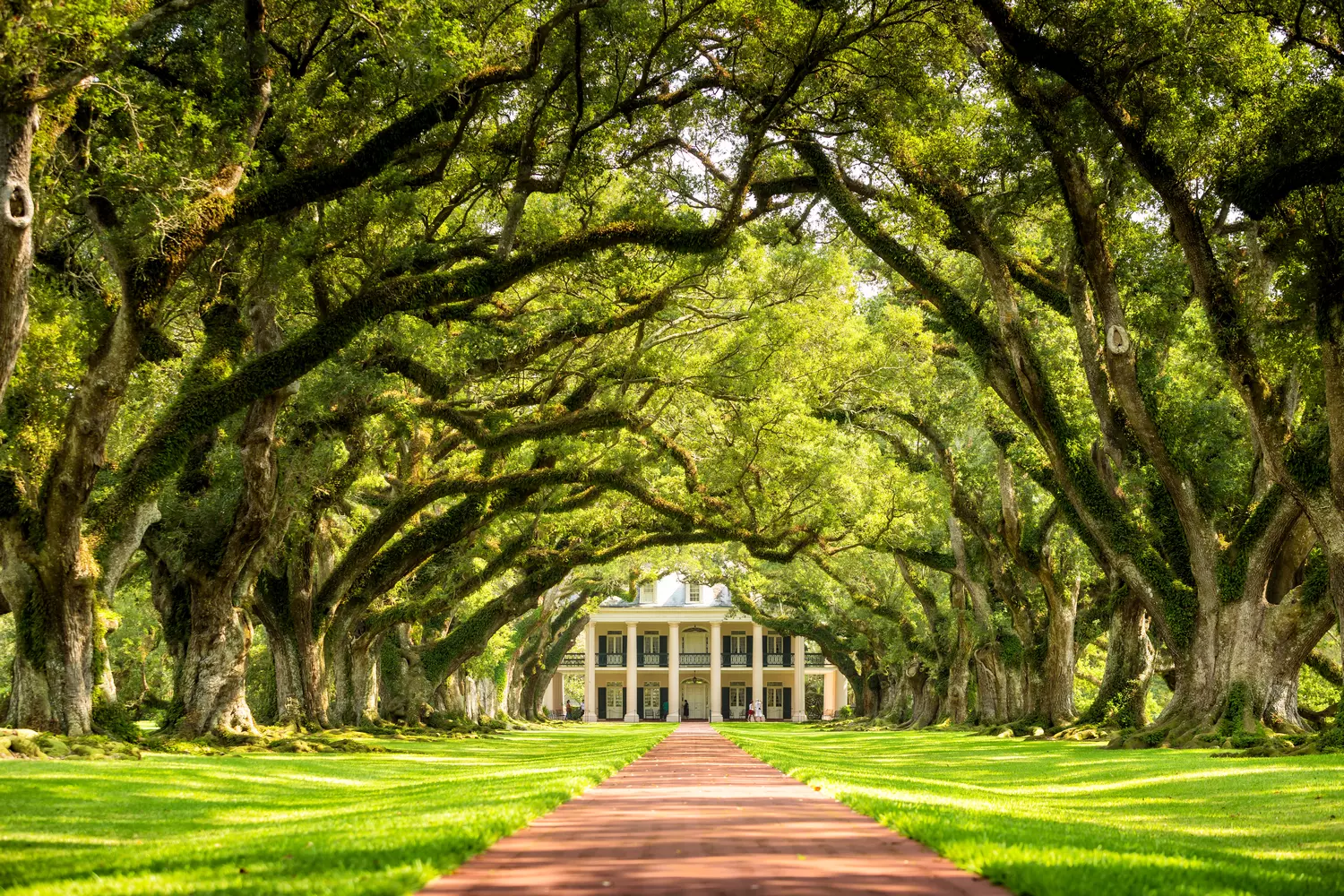
Many visitors are surprised to learn that City Park is home to living oak trees that are more than 600 years old. Some of these magnificent trees began growing long before the city of New Orleans was even founded.
A Garden Born During the Great Depression and Surviving Katrina: The Remarkable Story of the New Orleans Botanical Garden
When visitors first arrive at New Orleans Botanical Garden, their attention is usually drawn to the blooming pathways, majestic old oak trees, and beautifully maintained landscapes. What many do not realize, however, is that behind this beauty lies one of the most remarkable stories in New Orleans.
The botanical garden was not created simply as a place for leisurely walks. Its origins are closely tied to the Great Depression, one of the most devastating economic crises in American history. Decades later, it would face another major challenge — the destructive Hurricane Katrina, which nearly wiped out decades of work by dedicated gardeners and horticulturists.
Today, New Orleans Botanical Garden is not only a beloved natural attraction but also a living monument to the resilience of the city’s residents, who managed to preserve and restore this unique place despite overwhelming adversity.
- 01. How the Great Depression Gave New Orleans a Botanical Garden
In the early 1930s, the United States was experiencing one of the most difficult periods in its history. Millions of people lost their jobs, businesses closed, and cities struggled with severe financial hardships. To stimulate the economy and provide employment, the federal government launched the large-scale Works Progress Administration (WPA) program. Its goal was not only to create jobs but also to build public infrastructure and community projects across the nation. Thousands of schools, libraries, bridges, roads, parks, and cultural institutions were created through this initiative.
For New Orleans, the redevelopment of City Park became one of the largest WPA projects in the American South. Significant funding was allocated to the park, and thousands of local residents participated in the work. According to some estimates, nearly 20,000 people were involved in various City Park projects. It was during this period that the idea emerged to create the first public formal garden in New Orleans. Before then, elaborate landscaped gardens were typically reserved for wealthy families, while most residents had little access to such spaces. The new project sought to change that by creating a place where everyone could enjoy nature regardless of social status.
The future garden was designed by a talented team that included:
- Architect Richard Koch;
- Landscape architect William Wiedorn;
- Sculptor Enrique Alférez.
Together, they created a unique space that blended classical garden design, Art Deco influences, and the natural character of Louisiana. Many of the original buildings, pathways, pavilions, and decorative features constructed during the 1930s remain intact today. In fact, New Orleans Botanical Garden is one of the few surviving examples of WPA-era public garden design in the United States.
- 02. More Than a Park: A Monument to an Era
Today, most visitors see the botanical garden as a beautiful place to relax. Historians, however, view it as something much greater. Every brick pavilion, stone staircase, and decorative detail serves as a reminder of a time when the nation was struggling to emerge from economic collapse and thousands of New Orleans residents found employment through public works projects.
In many ways, the garden became a symbol of hope. It was created during an era when people desperately needed proof that the future could be brighter than the present. For this reason, many researchers describe New Orleans Botanical Garden not merely as a botanical garden, but as a monument to human effort, civic solidarity, and the spirit of President Franklin Roosevelt’s New Deal. - 03. The Garden During the Era of Segregation
The history of New Orleans has always been far more complex and multifaceted than many visitors realize. The city developed under the influence of French, Spanish, African, and Caribbean cultures, giving rise to a unique Creole community that profoundly shaped Louisiana’s music, cuisine, and traditions.
When the botanical garden opened in 1936, the American South was still governed by laws of racial segregation. Public spaces often reflected the social inequalities of the time. Despite these restrictions, City Park gradually became an important gathering place for people from many different backgrounds. Families came for outings, community events were held throughout the grounds, and cultural activities brought residents together.
Over time, both the park and the botanical garden became integral parts of the city’s identity, helping connect New Orleans’ diverse communities. As a result, many locals today view New Orleans Botanical Garden not simply as a tourist attraction but as an important part of the city’s collective memory. - 04. Hurricane Katrina: When the Garden Nearly Disappeared
On August 29, 2005, life in New Orleans changed forever. Hurricane Katrina became one of the most devastating natural disasters in American history. After the city’s levees failed, large portions of New Orleans were submerged under floodwaters. City Park suffered extensive damage as well. According to various estimates, approximately 95% of the park was flooded for two to four weeks. In some areas, water levels reached several feet, and the botanical garden was almost entirely underwater.
The impact on plant life was catastrophic. According to the garden’s own records, roughly 90% of its vegetation was lost. Collections that had taken decades to build were destroyed within weeks. The brackish floodwater proved deadly to countless plant species. Staff members later recalled that once the water receded, the grounds resembled a disaster zone rather than a botanical garden. Entire flower beds vanished, while pathways, infrastructure, and plantings suffered extensive damage.
Remarkably, however, many of the historic structures and the garden’s iconic ancient oak trees survived the disaster. - 05. The Great Restoration
The story could have ended there. Instead, it became a story of renewal. Almost immediately after the disaster, a massive restoration campaign began. Support poured in from across the country. Volunteers, horticulturists, nonprofit organizations, and plant enthusiasts donated funds, tools, and plant material. Thousands of volunteers helped clear debris throughout City Park.
Many areas had to be replanted from scratch. Electrical systems were completely replaced, damaged structures were restored, and the garden’s collections gradually began to recover. Perhaps most remarkable of all, the garden reopened only a few months after the hurricane.
For the people of New Orleans, its reopening became a powerful symbol that the city itself could recover from even the most devastating catastrophe.
Today, as visitors stroll along the beautifully maintained pathways of New Orleans Botanical Garden, it is difficult to imagine that nearly the entire plant collection was once destroyed by nature’s fury.
That is why the garden remains much more than a beautiful place for a walk. It stands as a living reminder that determination, love for one’s community, and the combined efforts of thousands of people can bring back to life what once seemed lost forever.
The Green Heart of New Orleans: Where the New Orleans Botanical Garden Is Located and Why It’s Worth Spending an Entire Day Here
One of the greatest advantages of New Orleans Botanical Garden is its convenient location. Unlike many botanical gardens situated outside major cities and requiring a dedicated trip, this green oasis lies almost in the heart of New Orleans, within the famous City Park.
For visitors, this means the garden can easily be included in any sightseeing itinerary. There is no need to spend hours traveling or rearranging plans. The botanical garden is located in one of the city's most beautiful and vibrant areas, surrounded by popular attractions, museums, and recreational spaces. As a result, many travelers arrive intending to stay for a couple of hours and end up spending most of the day exploring City Park.
- 01. City Park — More Than Just a City Park
To fully appreciate New Orleans Botanical Garden, it helps to understand the significance of City Park itself. This is one of the largest urban parks in the United States and one of Louisiana’s most celebrated natural landmarks. Covering more than 1,300 acres, it is even larger than New York City's famous Central Park. Yet its size is only one reason for its popularity.
City Park is considered one of New Orleans’ greatest natural treasures. Thousands of trees grow here, many of them remarkably old. The park is especially famous for its live oaks, some of which began growing centuries before the city of New Orleans was founded. Walking through the park, it is hard to believe that bustling streets, restaurants, and tourist districts are only a few miles away. The atmosphere here is entirely different — peaceful, relaxing, and perfectly suited for a leisurely escape. The botanical garden occupies one of the park’s most scenic sections and blends seamlessly into the surrounding landscape. - 02. Easy Access for Visitors
One of the reasons New Orleans Botanical Garden remains so popular is its accessibility. Visitors can reach it easily from virtually anywhere in the city by car, taxi, rideshare services such as Uber and Lyft, public transportation, bicycle, or organized tour. For travelers staying in the French Quarter or downtown New Orleans, the journey usually takes no more than 15–20 minutes. This convenient location makes the garden an excellent choice for anyone looking to trade the energy of the historic center for a few hours of tranquility and nature. Many visitors intentionally include City Park in their itinerary after exploring the French Quarter, Bourbon Street, or the Mississippi River waterfront. - 03. Why It Deserves More Than Just a Couple of Hours
On a map, New Orleans Botanical Garden may appear to be a relatively modest attraction. In reality, however, most visitors quickly discover that the garden is only one part of City Park’s vast collection of cultural and recreational destinations. After wandering among blooming pathways and landscaped gardens, there is no reason to rush back downtown. Several outstanding attractions are located within walking distance, each worthy of a visit in its own right. That is why seasoned travelers often recommend setting aside at least half a day — or even a full day — to explore this part of New Orleans. - 04. New Orleans Museum of Art
One of the botanical garden’s most notable neighbors is the New Orleans Museum of Art (NOMA), the city’s oldest fine arts museum and one of the largest art institutions in the American South. Its collection includes tens of thousands of works spanning European painting, American art, contemporary pieces, African artifacts, Asian collections, sculpture, and photography. Visiting the museum after a stroll through the garden creates a perfect balance between nature and culture, making for a memorable day of exploration. - 05. Sydney and Walda Besthoff Sculpture Garden
Adjacent to the museum is another remarkable attraction — the Sydney and Walda Besthoff Sculpture Garden. Many visitors consider it one of the finest outdoor sculpture parks in the United States. Unlike traditional museums, the artworks here are displayed among trees, ponds, and lush landscapes. During a walk, you may unexpectedly encounter a striking contemporary sculpture beside a lake or discover an art installation nestled beneath centuries-old oaks. This seamless blend of nature and art creates a unique atmosphere that has made the sculpture garden a favorite among both tourists and locals. - 06. Storyland — A Fairytale World for Children
Families with children often continue their adventure in Storyland, one of New Orleans’ most beloved attractions. This whimsical theme park brings classic fairy tales to life through castles, playgrounds, interactive exhibits, beloved storybook characters, and colorful photo opportunities. For generations of local families, Storyland has been a cherished destination, and it remains a must-visit stop for anyone traveling with children. - 07. Carousel Gardens Amusement Park
Another family-friendly attraction nearby is Carousel Gardens Amusement Park. Its centerpiece is a historic carousel that ranks among the most iconic rides in Louisiana. In addition to the carousel, the park offers a variety of attractions for visitors of all ages. Its proximity to the botanical garden allows families to combine a relaxing nature walk with a more energetic and entertaining experience. - 08. The Lakes, Trails, and Oak Groves of City Park
Even if museums and amusement rides are not on your agenda, City Park itself deserves exploration. The park features picturesque lakes, scenic walking paths, shaded oak-lined avenues, picnic areas, cycling routes, and numerous spaces designed for relaxation. Many local residents come here simply to walk, exercise, or enjoy time outdoors. The park is especially beautiful in the early morning and at sunset, when sunlight filters through the branches of its ancient live oaks.
Most visitors know New Orleans as a city of music, festivals, and vibrant streets. Yet City Park reveals a completely different side of the city.
Here, there are no crowds of tourists, no constant soundtrack of live music, and none of the hustle and bustle that define the city center. Instead, visitors find expansive green landscapes, historic oak trees, world-class museums, beautiful gardens, and countless opportunities to relax in nature.
That is why New Orleans Botanical Garden often serves as the perfect starting point for discovering one of the city's most beautiful districts. With so many attractions located nearby, what begins as a simple garden visit can easily become a full-day adventure filled with nature, art, history, and unforgettable scenery.
A Journey Around the World in a Single Day: What Makes the New Orleans Botanical Garden So Remarkable
Many botanical gardens are essentially beautiful collections of plants organized by species or climate zones. New Orleans Botanical Garden takes a different approach. Visitors do not simply enter a garden — they embark on a journey through a series of distinct natural worlds, each with its own character, atmosphere, and mood.
Walking through the grounds feels like taking a miniature trip around the globe. One moment, you are surrounded by elegant rose gardens reminiscent of Europe’s finest landscapes; just around the next corner, you find yourself immersed in lush tropical vegetation that feels more like the Caribbean than Louisiana. A little farther along, the path leads to tranquil Japanese-inspired landscapes or picturesque corners where butterflies and hummingbirds flutter among the flowers.
This remarkable diversity is what makes New Orleans Botanical Garden so special. There are no monotonous pathways or repetitive landscapes here. Every section introduces new colors, shapes, and experiences.
- 01. The Rose Garden — One of New Orleans’ Most Romantic Places
One of the most beloved areas of the botanical garden is its magnificent Rose Garden. For many visitors, it becomes the highlight of the entire property. During peak bloom, this section is transformed into a sea of color, with hundreds of rose bushes displaying blossoms in every shade imaginable — from delicate creams and pure whites to deep burgundies and vibrant reds. Walking along the pathways, it is almost impossible not to pause and admire the intricate petals or breathe in the fragrance of the flowers.
The garden’s design is equally captivating. Visitors will find:
- Decorative rose-covered arches;
- Classic garden pathways;
- Comfortable benches for relaxation;
- Symmetrical floral arrangements;
- Picturesque photo spots.
During spring and summer, the air is filled with the scent of blooming roses. On sunny days, the Rose Garden becomes one of the most photogenic locations in all of City Park. It is no surprise that wedding portraits, romantic strolls, and family photo sessions are common sights here.
Yet the Rose Garden offers more than beauty alone. Gardening enthusiasts often visit specifically to study different rose-growing techniques, pruning methods, and modern landscape design practices. Seasonal updates ensure that even regular visitors discover something new with each visit.
- 02. The Tropical Garden — A Slice of the Caribbean in Louisiana
New Orleans enjoys a climate unlike that of most American cities. High humidity and mild winters allow many plants to thrive outdoors year-round — species that would require greenhouses elsewhere in the country. As a result, one of the garden’s most impressive areas is its Tropical Garden.
A few steps along its winding pathways are enough to make the city seem to disappear entirely. Visitors find themselves surrounded by towering palms, banana trees, blooming hibiscus, giant ferns, exotic vines, colorful tropical shrubs, and rare ornamental plants. Some sections are so densely planted that they resemble genuine jungle landscapes.
The humid air enhances the experience even further. After rainfall, droplets cling to every leaf, while the rich shades of green become even more vivid. Many visitors say this is where they truly begin to understand just how unique Louisiana’s climate can be. At times, it feels as though you have been transported to Jamaica, Cuba, or tropical Central America rather than remaining within the United States. - 03. The Butterfly Garden — Where Nature Comes Alive
While the Tropical Garden impresses through scale, the Butterfly Garden captivates through its details. It is one of the most vibrant and dynamic areas within the botanical complex.
This space was designed not only to be visually appealing but also to support a thriving ecosystem. Plants are carefully selected to provide food sources for pollinators throughout the year. Thanks to this thoughtful planning, visitors can observe a remarkable variety of wildlife, including:
- Colorful butterfly species;
- Honeybees;
- Dragonflies;
- Bumblebees;
- Hummingbirds;
- Other essential pollinators.
The garden is especially lively in the morning, when insect activity reaches its peak. For children, it becomes a fascinating outdoor classroom. Instead of seeing pollination illustrated in a textbook, they can watch the process unfold in real time. It is an ideal place to learn why butterflies matter, how ecosystems function, and why biodiversity conservation is so important.
- 04. The Japanese Garden — An Island of Tranquility in the City
Among the vibrant flowers and tropical greenery, the Japanese Garden stands apart. While other sections impress with color and variety, this area is defined by atmosphere. Japanese landscape design is rooted in harmony, balance, and contemplation, and those principles are evident throughout the garden.
Here, visitors will not find dazzling flower beds or dense tropical growth. Instead, the landscape features:
- Stone gardens;
- Decorative bridges;
- Peaceful ponds;
- Miniature waterfalls;
- Carefully selected plantings;
- Traditional Japanese design elements.
Every detail has been thoughtfully placed and carries symbolic meaning. Many visitors instinctively slow their pace as they enter this serene environment. The noise of the city fades away, replaced by the gentle sound of water and the rustling of leaves.
It is one of the finest places within New Orleans Botanical Garden for relaxation, reflection, or simply enjoying nature in silence. Unsurprisingly, it is also a favorite destination for photographers, artists, and anyone seeking a brief escape from the demands of modern life.
The defining characteristic of New Orleans Botanical Garden is that it never feels like a single, uniform space. Each section has its own personality and evokes different emotions. The Rose Garden offers romance and classic elegance. The Tropical Garden transports visitors to exotic destinations. The Butterfly Garden showcases the beauty of living ecosystems in motion. The Japanese Garden provides a sense of peace and harmony.
This diversity ensures that a walk through the garden never feels repetitive. Even after several hours, visitors continue discovering new details, unexpected plant species, and stunning landscape compositions. In many ways, New Orleans Botanical Garden is far more than a collection of plants — it is a carefully curated journey through different cultures, climates, and humanity’s enduring appreciation for the beauty of nature.
The New Orleans Botanical Garden Conservatory: A Glass-Covered World of Rare Plants and Living Botanical Legends
The greenhouse of the New Orleans Botanical Garden is a place where the garden ceases to be just a space for walking and transforms into a true scientific and botanical laboratory under glass. While the outdoor areas of the garden showcase a variety of landscapes and climates, the greenhouse offers a deeper look into the world of plants that require special conditions, careful attention, and almost “domestic” care from gardeners.
At first glance, it may seem modest compared to the expansive avenues of City Park. But once you step inside, the atmosphere changes dramatically. The air becomes more humid, the light softer, and the space more intimate and enclosed. Each plant seems to exist in its own right, with its own story, character, and requirements.
- 01. A collection assembled like a botanical archive of the world
The greenhouse houses plants that naturally grow in completely different parts of the planet, yet here they coexist within a single controlled microclimate. Among them you can find:
- Elegant orchids with almost fantastical flower shapes;
- Spiky but strikingly sculptural cacti;
- A variety of succulents resembling miniature natural sculptures;
- Rare tropical flowers with vivid, almost “unreal” coloration;
- Ornamental plants cultivated as part of curated botanical collections.
Many of these specimens exist as unique examples or limited collections developed over decades. For this reason, the greenhouse is perceived not merely as an exhibition, but as a living archive of the plant world. Every detail matters—from humidity levels to the angle of light. Any mistake can cost plants decades of development, which is why caring for the collection resembles the meticulous work of museum restorers.
- 02. The legend of the flower that lives for one night
Among botanical stories associated with such greenhouses, special attention is given to “event plants.” These are species that bloom extremely rarely and for only a few hours or a single night. One of the most famous examples in the botanical world is Selenicereus grandiflorus, known as the “queen of the night.” Its flower opens after sunset, releases a delicate fragrance, and withers by morning. Such plants attract genuine excitement among botanists and garden visitors worldwide. People travel specifically at night to witness the brief moment of blooming.
In greenhouses like the New Orleans Botanical Garden, such specimens are especially valued: they are constantly monitored, and in some cases, special nighttime visits are organized for guests. These plants create the feeling that a botanical garden is not just a walking space, but a place where nature reveals its rarest and most fragile states. - 03. “Traveling trees”: how exotic species became part of Louisiana
The greenhouse and collection areas of the garden often become home to plants that do not originally belong to the flora of the United States but have successfully adapted to Louisiana’s climate. Among such “botanical migrants,” you can find species brought from Australia, South America, Africa, and Asia. In some cases, these plants have adapted so successfully that they have become part of the local landscape. Particularly interesting types include:
- Australian casuarinas
Trees with an unusual “conifer-like” texture that visually resemble a mix of pine and fern. - Subtropical palms
Thriving in Louisiana’s humid climate. - Exotic succulents
Able to survive even sharp temperature fluctuations.
Such plants are often called “naturalized guests” — they arrived from afar but have become almost local. Their presence in the collection demonstrates how flexible and diverse nature can be when given the right conditions.
- 04. Plants in Creole tradition: the hidden botany of old New Orleans
The history of plants in Louisiana is not only about science and landscape design but also part of the region’s cultural heritage. In Creole tradition, many plants were used in folk medicine and everyday practices. Some of them can still be found in botanical collections today. For example:
- Salvia officinalis (sage) — used as a remedy for cleansing spaces and treating colds;
- Aloe vera — applied for healing burns and skin injuries;
- Mentha (mint) — used to improve digestion and prepare herbal infusions;
- Various types of lavender — used for relaxation and aromatherapy;
- Local Louisiana herbs — included in traditional Creole remedies.
In folk culture, these plants were often associated not only with medicine but also with ritual practices. However, it is important to understand that the modern botanical garden approaches them strictly from a scientific and cultural perspective, without mystification. This approach allows visitors to see how closely nature, history, and everyday human life are intertwined.
- 05. The greenhouse as a space for observation and slowing down
Despite the scientific value of the collection, the greenhouse remains a place where visitors can simply pause and observe. There are no vast avenues or large tourist crowds. People move slowly, often stopping by individual plants to examine leaves, textures, and flower structures. This space functions differently from the rest of the garden. If the outdoor areas offer a sense of walking and movement, the greenhouse invites stillness. Many visitors note that it is here they first begin to truly notice details: how a flower is structured, how complex a leaf can be, and how plants adapt to different conditions.
The greenhouse of the New Orleans Botanical Garden is a concentration of botanical diversity, where plants from different climate zones and cultural contexts coexist in a single space. It does not impress through scale, but through depth. Each species here is not just a decorative element, but a separate story of survival, adaptation, and interaction with humans.
For this reason, a visit to the greenhouse often becomes the most unexpected and memorable experience for guests of the garden: quiet, attentive, and almost meditative.
A Garden as a Work of Architecture: Where Landscape Design in the New Orleans Botanical Garden Becomes Art
The New Orleans Botanical Garden is often perceived primarily as a collection of plants, but its true value becomes clear only when you begin to notice the “architecture of space” itself. It is not just a garden, but a carefully designed system of routes, perspectives, transitions, and visual accents, where each zone is conceived as a separate scene in a vast open-air theater.
Landscape architects did not create a linear route here, but a living, constantly changing experience. Visitors do not move from point A to point B — they seem to flip through the pages of a book, where each new chapter reveals a different climate, a different form, and a different character of nature.
- 01. A space that guides the visitor
One of the garden’s greatest strengths is its sense of natural movement. It is almost impossible to feel a sharp transition between zones. The rose garden flows seamlessly into more shaded areas, tropical plantings gradually give way to calmer compositions, and architectural elements appear exactly when needed to complete the visual scene. This impression is achieved through precise attention to detail:
- Curved pathways conceal upcoming views;
- Plants are layered by height;
- Color accents are distributed across zones;
- Architectural features appear as visual anchors;
- Perspectives are always revealed gradually.
As a result, the garden does not immediately “show itself” — it unfolds as you move through it, keeping attention alive and creating a constant sense of discovery.
- 02. The architectural language of the garden: how its image is formed
On closer inspection, it becomes clear that every element here functions as part of a unified language. The design includes:
- Winding pathways that set the rhythm of the walk;
- Decorative arches forming “gateways” between zones;
- Pavilions that create stopping and viewing points;
- Small bridges connecting water and dry landscapes;
- Artificial ponds reflecting plants and sky;
- Historic sculptures adding a cultural layer;
- Fountains introducing sound and movement;
- Rest areas integrated into the natural landscape.
Each of these elements does not exist in isolation — it is integrated into the composition and serves the overall concept of the garden as a unified space. Importantly, the architecture does not compete with nature. It does not dominate, but supports the plants, creating a “stage” on which they appear at their most expressive.
- 03. Where nature meets history
One of the defining features of the New Orleans Botanical Garden is the combination of living nature with the architectural heritage of its creation era. Many elements of the garden were established in the 1930s as part of the Works Progress Administration (WPA). This means that some structures are not reconstructions, but original historical artifacts. During a walk, visitors can notice:
- Original brick walls with characteristic masonry;
- Pavilions that preserve 1930s proportions;
- Stone stairways softened by time;
- Decorative garden structures of early modernism;
- WPA-era landscape architecture elements.
All of this creates a rare impression: the garden is both living and historical. It does not feel like an open-air museum, nor like a modern reconstruction. It is a space that has truly “lived” for nearly a century, preserving traces of every era.
- 04. “Iron lace”: Art Deco woven into the garden
One of the most expressive architectural features of the botanical garden is its ornamental ironwork. It is often described as “iron lace” due to how delicately it is woven into the overall landscape. This style combines Art Deco aesthetics with New Orleans’ southern architectural tradition. The metal patterns do not appear harsh or industrial — instead, they resemble botanical ornamentation, continuing the garden’s natural theme in another material. These wrought-iron elements serve several purposes:
- Visually connecting different zones;
- Creating shade and interplay of light;
- Emphasizing entrances and transitions;
- Enhancing the decorative character of the space.
Over time, these details have become one of the signature visual symbols of the New Orleans Botanical Garden, often recognizable in photographs even without captions.
- 05. The garden as a theatrical stage: WPA heritage
Interestingly, many elements of the garden’s layout were originally influenced by theatrical thinking. Architects of the 1930s often worked with the concept of “spatial scenography.” This meant that the garden was not seen as a static composition, but as a sequence of visual scenes. As a result, visitors can notice:
- Areas resembling Spanish-style patios;
- Sections evoking ruined corners of old Europe;
- Spaces inspired by Eastern gardens;
- Transitions designed as “sets” between scenes.
Each zone was created to evoke a specific mood — from ceremonial to contemplative. As a result, a walk through the garden becomes a kind of performance in which the visitor becomes part of the action.
- 06. Sculptures as part of the route: stories of images and symbols
Sculptures hold a special place in the garden’s architecture. They do not simply decorate the space but create visual focal points and guide movement. Among the most recognizable figures are classical statues, mythological scenes, and decorative compositions integrated into the plant landscape. One of the most frequently photographed scenes is the statue of Diana, which seems seamlessly embedded in the natural surroundings. Among trees and shrubs, it appears not as a museum piece, but as a natural part of the landscape. Such compositions create a subtle theatrical effect: it feels as though the figures were not placed there, but discovered within nature. - 07. Pavilions and glass spaces: climate control as architecture
Particular attention should be given to the pavilions designed for tropical plants. These are not ordinary greenhouses in the conventional sense. Their architecture is built around precise environmental control — humidity, light, and temperature. Inside, one can observe enhanced ventilation systems, specialized misting mechanisms, zones with varying temperatures, carefully distributed natural light, and dense plant arrangements that create the effect of a “living dome.” Unlike decorative gardens, here architecture becomes a functional necessity. Yet even within this functionality, aesthetics remain present: glass, metal, and vegetation form a unified visual environment.
Viewed as a whole, the New Orleans Botanical Garden reveals itself as more than a set of design choices — it is a unified system. Every path, arch, sculpture, and pavilion works not independently, but as part of a larger organism where nature and human design are in constant dialogue. That is why the garden does not feel artificially constructed. It seems as though it has always been here — gradually revealing itself layer by layer until it became the living landscape seen today.
Fairchild Tropical Botanic Garden
Living Nature of Louisiana: How the New Orleans Botanical Garden Preserves the Unique Flora of the American South
New Orleans Botanical Garden is not only a space for walks and aesthetic enjoyment, but also an important center for preserving the natural heritage of Louisiana. It houses a plant collection that reflects the character of the region: a humid subtropical climate, rich river systems, swampy landscapes, and proximity to the Gulf of Mexico.
Louisiana is one of the most “alive” U.S. states in terms of biodiversity. Different ecosystems intersect here, and many plants that seem familiar to locals are considered rare or are not found in the wild in other parts of the country. That is why the botanical garden plays the role of a kind of “mirror of the state’s nature” — here you can see key plant species without traveling to remote swamps, nature reserves, or coastal areas.
- 01. Louisiana plant collection: nature in miniature
One of the garden’s main missions is the preservation and display of local plant species. For this purpose, special exhibition zones have been created where Louisiana’s flora is presented in as natural a form as possible. Among them you can find:
- Majestic southern magnolias with large fragrant flowers;
- Swamp cypresses typical of wet lowlands;
- Graceful azaleas creating vivid color accents in spring;
- Camellias, especially striking in winter;
- Powerful southern oaks forming the backbone of the local landscape;
- Ornamental grasses adapted to humid climates;
- A variety of aquatic plants inhabiting ponds and swampy areas.
Each of these plants is part of the region’s natural code. Together, they form a recognizable image of southern Louisiana, where water, warmth, and vegetation exist in constant interaction. For visitors, such an exhibition becomes an opportunity to see what the state’s natural ecosystem looks like in a concentrated, “assembled” form.
- 02. Aquatic plants: a reflection of the state’s nature
Louisiana is a land of water. Rivers, lakes, swamps, and coastal lagoons shape not only the landscape but also the character of the entire regional ecosystem. That is why aquatic plants hold a special place in the botanical garden’s collection. In specially designed water features you can see:
- Elegant water lilies blooming on the surface;
- Lotuses with large decorative flowers;
- Swamp irises typical of wetland areas;
- Aquatic grasses forming natural thickets;
- Rare coastal species adapted to changing humidity.
These areas are especially attractive in calm weather. The water surface becomes a mirror, reflecting plants, sky, and surrounding trees. At such moments, the garden takes on an almost meditative character. Photographers often describe these spots as some of the most expressive in all of City Park — thanks to the combination of reflections, light, and natural water lines.
- 03. The garden’s invisible struggle: invasive species and fragile ecosystem balance
Behind the visual beauty of the botanical garden lies constant ecological work. One of the major challenges is controlling invasive plant species that spread rapidly in Louisiana’s warm and humid climate. Some species, such as water hyacinth or certain aggressive grasses, can quickly take over water bodies and displace native plants. That is why garden staff carry out continuous maintenance:
- Cleaning water features;
- Controlling the growth of aggressive species;
- Maintaining balance between ornamental and native plants;
- Monitoring the condition of the ecosystem.
This work is rarely noticed by visitors, but it is precisely what ensures the stability of the collection and preserves the garden’s natural balance.
- 04. A garden that almost does not need watering
An interesting aspect of the botanical garden is linked to the region’s climate. Louisiana is one of the most humid U.S. states, so many plants here are adapted to high air humidity and frequent rainfall. This creates an unusual situation: a significant number of plants require almost no additional watering, especially in open areas. However, this does not make maintenance easier. On the contrary, high humidity and summer heat create other challenges:
- Rapid plant growth;
- Active weed development;
- Need for constant pruning;
- Difficulty controlling soil conditions.
Thus, gardeners deal not so much with a lack of water, but with its abundance and the rapid pace of ecosystem growth.
The Louisiana plant collection at New Orleans Botanical Garden demonstrates one key idea: nature here is not merely displayed, but carefully preserved and maintained. Every tree, shrub, or aquatic plant is part of a broader system that reflects the unique character of the southern state.
That is why a walk through this part of the garden feels less like an exhibition tour and more like an encounter with the living, constantly changing nature of Louisiana, where each season reveals new facets of the same natural world.
The Garden That Never Looks the Same: How the New Orleans Botanical Garden Changes with the Seasons and Special Events
One of the reasons New Orleans Botanical Garden never feels repetitive, even for locals, is its constant transformation. It is not a static museum of nature, but a living organism that effectively reshapes itself several times a year.
Each season here does more than simply “change the weather” — it completely renews the garden’s visual identity: its colors, vegetation density, blooming patterns, and even the overall atmosphere of a walk. In essence, it is the same space that, four times a year, becomes four entirely different gardens.
- 01. Spring — when the garden “awakens” in a burst of color
Spring in New Orleans arrives gently but with striking expressiveness. After the winter calm, the garden begins to change rapidly from week to week. At this time, New Orleans Botanical Garden becomes one of the most vibrant places in the city. At peak bloom, you can see:
- Azaleas forming dense color patches;
- Camellias still continuing their winter bloom;
- Magnolias with large fragrant flowers;
- Irises adding vertical accents;
- Ornamental shrubs creating living corridors of color.
The air becomes rich with fragrance, and walks grow noticeably longer. Spring is also the season when the garden is most filled with photographers, families, and tourists trying to catch peak bloom. It is not just a season — it is a brief peak of natural expression, when every path looks like a ready-made postcard.
- 02. Summer — dense greenery and the tropical character of Louisiana
If spring is about color, summer is about density and volume. The summer months in New Orleans Botanical Garden reveal the true nature of Louisiana: humid, lush, and almost tropical. Vegetation becomes extremely dense, tree canopies close together forming natural shade, and the air fills with characteristic Southern humidity. At this time, you can especially notice:
- Exotic plants with large leaves;
- Tropical flowering species;
- Rapid growth of grasses and shrubs;
- Rich green tones across all layers.
Even in high temperatures, the garden remains comfortable thanks to a well-designed system of shaded paths. Oaks and dense plantings create a natural “climate control” that makes the heat more bearable. Summer here feels like immersion into a living, breathing ecosystem.
- 03. Autumn — calmness and a softer rhythm
Autumn in New Orleans is unlike the classic fall landscapes of northern U.S. states. There is no dramatic golden explosion of foliage, but instead a different quality — softness and depth of tone. Temperatures become more comfortable, humidity decreases, and the garden seems to “exhale” after the intensity of summer. In autumn, visitor numbers decrease, walks become more peaceful, the light turns softer and warmer, and some plants take on golden or reddish hues. This is a season especially valued by those who prefer quiet, uncrowded experiences. The garden feels more intimate and contemplative, revealing details that are often missed during busier seasons. - 04. Winter — an unexpectedly alive garden without snow
Winter in New Orleans is mild, which completely changes the perception of the botanical garden. Unlike northern regions where nature “sleeps,” here the garden continues to live. It becomes calmer, but it does not lose color. In winter:
- Camellias continue to bloom;
- Many evergreen plants remain vibrant;
- Foliage becomes less dense, revealing the garden’s architecture;
- Walks become especially comfortable due to the lack of heat.
Winter is the time when the structure of the garden becomes most visible. Without dense foliage, the lines of paths, architectural elements, and compositions normally hidden in summer become clear.
- 05. When the garden becomes a stage: festivals and events
New Orleans Botanical Garden is not only a place for walks, but also an active cultural venue for the city. Throughout the year, dozens of events transform the garden into a living public space. These include:
- Seasonal flower exhibitions;
- Gardening and landscape design festivals;
- Educational programs for children and adults;
- Open-air concerts;
- Art exhibitions;
- Themed workshops.
The distinctive feature of these events is that they take place directly among the plants. This creates a full immersion effect: art, music, and nature coexist in a single space, without walls or enclosed halls.
- 06. Seasonal festivals: when the garden becomes a story
Some events in the botanical garden have become true city traditions. In spring, flower festivals often highlight specific plant collections in peak bloom. In autumn, the garden may host themed events related to Halloween, where the natural landscape becomes part of the decoration. In winter, the garden is often illuminated, turning into a softly glowing evening space. In summer, educational and musical events use the shade of trees as a natural stage.
The key characteristic of New Orleans Botanical Garden is that it cannot be “visited just once.” Every visit captures a different state of the garden — different blooming cycles, lighting, vegetation density, and atmosphere. Even familiar paths look different just a few months later.
That is why locals return regularly — not for a “new place,” but for a new version of a familiar one. The garden does not change its essence, but it constantly changes its appearance. And that is its greatest value: it is always the same, yet never identical.
One Day in City Park and Beyond: What to See Near the New Orleans Botanical Garden
New Orleans Botanical Garden is rarely visited as a standalone destination. Its location within City Park makes it part of a much larger route, where nature, art, history, and entertainment are all within just a few minutes’ walk of each other.
Because of this, a visit here can easily expand from a short stroll into a full-day experience filled with diverse impressions. After the botanical garden, it makes perfect sense not to return immediately to the city center, but instead to continue exploring this remarkable part of New Orleans.
- 01. French Quarter — a contrasting finale to the day
If you want to shift from nature and parks to a completely different atmosphere, the next logical stop is the French Quarter. This is the historic heart of New Orleans, home to:
- Jazz clubs and street music;
- Historic colonial architecture;
- Restaurants serving Creole cuisine;
- Bars and the city’s nightlife;
- Narrow streets with a unique atmosphere.
After the calm of City Park, the French Quarter feels especially vibrant. The contrast between green alleys and lively streets makes the experience even more intense.
- 02. Delgado Museum Area and Lakeview — quiet residential neighborhoods with a local feel
Just beyond the immediate park area lies the Lakeview district. It is a peaceful residential neighborhood with canals, wide streets, and local cafés. There is no tourist rush here, but there is a strong sense of everyday New Orleans life. It is a great place for a post-garden walk, a coffee break in a small café, or simply observing local routines. - 03. Bayou St. John — a natural waterway in the city
One of the most atmospheric waterways in the city is Bayou St. John. Located near City Park, it is a historic water route that predates modern New Orleans. Today, it is a place for waterfront walks, kayaking and paddleboarding, picnics along the shore, and quiet outdoor relaxation. In terms of atmosphere, Bayou St. John perfectly complements the botanical garden, extending its natural theme in a wilder, more urban form. - 04. Mid-City — a gastronomic and local hub near the park
The Mid-City district is just minutes from City Park and is considered one of the best areas to experience local cuisine. Here you can find Creole restaurants, classic diners, modern Southern-style cafés, and local bars with live music. After a walk in the garden, it is an ideal place to take a break and try New Orleans dishes outside the main tourist center. - 05. French Market and the French Quarter — the historic core of the city
Although the French Quarter is a bit farther away, it often becomes a natural continuation of a City Park visit. It is the oldest part of the city, featuring historic architecture, street musicians, artisan stalls and markets, Creole restaurants, and vibrant nightlife with jazz clubs. After the serenity of the botanical garden, the contrast with the French Quarter feels especially striking — like moving from nature into a living, noisy urban theater. - 06. City Park Golf Course — a different side of the park
A less obvious but interesting spot is the City Park golf courses. This is not just a sports facility, but part of the park’s historic landscape, combining open green spaces, lake views, and old oak groves. Even if you do not play golf, walking nearby offers a completely different perspective of the park — more open and expansive. - 07. Museum of Art District: architecture and quiet streets
Surrounding NOMA and the botanical garden are quiet residential streets with beautiful architecture. Here you can see historic Southern houses, well-kept gardens, and wide shaded avenues — a more “everyday” side of New Orleans without tourist crowds. This kind of walk is especially appreciated by those who want to see the city not as a postcard, but as a lived-in place.
City Park and its surroundings are a rare example of how different types of experiences can coexist in one area: silence and nature, art and architecture, family attractions, and urban history. This diversity is exactly what makes a visit to New Orleans Botanical Garden not just a single stop, but the beginning of a full exploration of one of the most fascinating parts of New Orleans.
Miniature Trains, a Dueling Oak, and Singing Concrete: 10 Strange Facts About the New Orleans Botanical Garden
Most tourists walk through New Orleans Botanical Garden in about an hour, take a few selfies in front of the roses, and rush back to the Louisiana heat. And that’s a mistake. This garden in City Park is not just flower beds — it is a silent witness of the Great Depression, an open-air art gallery, and a phoenix reborn from salt water. It is a place where Art Deco embraces jungle, and bronze muses live beneath centuries-old oaks. Here are a few facts that will turn your casual stroll into a real detective story.
- 01. “Diana on the Boar” and a 50-year-old ghost
The main figures of the garden are not plants, but sculptures. Twelve of them were created by Enrique Alférez. The most famous is “The Flute Player” — a 12-foot bronze woman standing under an oak tree in the Azalea Garden. But there is also a touching story: nearly 50 years after creating his first works, the 90-year-old sculptor was invited back to the garden to personally restore his pieces and add new ones (“Sundial” and “Grass Gates”). - 02. Walking in footsteps (literally)
In the Zemurry Azalea and Camellia Garden there is a unique interactive path called the “Footprint Walk.” It is a pathway made of concrete slabs with the names and footprints of donors who helped restore the park in the 1990s. You are literally walking in the footsteps of those who saved the garden from decay (and you can also check the shoe sizes of the benefactors). - 03. Concrete avant-garde called “Concretia”
This sounds like a new rock band, but it is an art installation. Landscape architect Robin Tanner created the “Concretia” zone. The official description reads: “A botanical artistic concept seeking to reconcile the heaviness of concrete with the lightness of flora.” Here you will find the “Rain Chapel” (a concrete fountain with benches), the “Sun Garden” (5-foot agaves), and a mirrored pyramid reflecting the sky. A place where minimalism meets Southern Gothic. There is also “Homage to the Wind,” with concrete resonators that actually produce sound when the wind blows. It is the strangest and most photogenic spot in the entire garden. - 04. Some of Louisiana’s oldest living beings — the garden’s neighbors
Just outside the garden grows one of the world’s largest collections of live oaks. Some of these trees are over 600 years old. They were already mature when Europeans first began exploring Louisiana. There is also the Dueling Oak, where dissatisfied gentlemen in the 19th century regularly settled disputes with pistols. More blood was spilled there than gardeners’ tears over wilted roses. - 05. A secret miniature world: trains that run on weekends
Hidden inside the Botanical Garden is the Historic New Orleans Train Garden — a true engineering masterpiece. Along 1,300 feet of track (more than four football fields), scale 1:22 model trains and streetcars run, recreating transportation from the late 19th and early 20th centuries. All the buildings along the tracks are made from botanical materials. And most importantly: the trains actually run, but only on Saturdays and Sundays from 10:00 a.m. to 4:30 p.m. On weekdays, you will only see still miniatures. - 06. “The Orange House” and two sisters
The pavilion now known as the Pavilion of the Two Sisters was originally built in a European winter garden style to protect orange trees from cold weather. But why “Two Sisters”? It is named after the Wordsworth sisters, important figures in the history of City Park. Today it is a popular venue for weddings and events and serves as a formal boundary between the historic and newer parts of the garden.
Inside the pavilion is one of the most unusual exhibitions — “Living Fossils.” It features plant species that existed before flowering plants: horsetails, club mosses, and ancient ferns — plants that date back hundreds of millions of years and once lived alongside dinosaurs. Next to them is a full tropical forest with a waterfall and cave. It is the only place in New Orleans where you can see Carboniferous-era plants and 21st-century orchids at the same time. - 07. Not just plants: a jazz stage
The garden is not only silence and calm. After Hurricane Katrina, the Robert B. Haspel Garden Stage was built as an open-air concert venue. Now, every year (mostly on Thursday evenings), jazz performances fill the air. It is a place where trombones meet the scent of roses. - 08. The girl who drowned for love and a serial killer with child ghosts
The darkest story: one of the City Park alleys (where the garden is located) is called Mona Lisa Drive. Legend says a girl named Mona fell in love with a sailor, but her father disapproved. She threw herself into the lagoon and drowned. Her grieving father placed a statue of Venus in her memory. The statue later disappeared, but ever since, a ghost of a woman in white appears at night along the drive.
If one ghost is not enough, there is a second layer. There is a belief that in the early 20th century the park was used as a dumping ground by an unidentified serial killer targeting children. Visitors still report sightings of child-like apparitions near bridges and lagoons. - 09. “Dungeons” for plants: prison cells in the garden
The Botanical Garden has ominously named buildings — Stove House and Dungeons. These are not medieval prisons, but old greenhouses and cold frames built during the WPA era. They were restored in the early 2000s. They are indeed dark and humid, and once “held” delicate tropical plants like prisoners. - 10. A local secret: free Wednesdays
This fact will save you money. Thanks to the Helis Foundation, admission to the Botanical Garden is free for Louisiana residents every Wednesday. Tourists, of course, cannot use this (you must show local driver’s licenses), but if you are visiting with friends from New Orleans, plan your trip for Wednesday.
In conclusion: New Orleans Botanical Garden is worth at least two hours of your time. Come in the morning to avoid heat and crowds. If you want to save money, plan your visit on Wednesday (for Louisiana residents it is free). If you want magic, come at sunset or during the Christmas “Celebration in the Oaks” festival. And be sure to visit the Pavilion of the Two Sisters and the miniature train garden (but only on weekends, when the trains actually run). The garden does not forgive haste: to understand it, you must slow down… and sometimes feel a little uneasy.
American Butler — Discover the Best Attractions of New Orleans in Comfort
New Orleans Botanical Garden perfectly demonstrates how multifaceted New Orleans can be. Beyond its famous jazz, carnivals, and historic districts, the city is home to remarkable natural spaces that offer an entirely different perspective on it.
To make your journey through Louisiana as rich and comfortable as possible, the specialists at American Butler can help design a personalized itinerary tailored to your interests. We organize excursions, transfers, guided assistance, and help you discover not only the most well-known attractions but also hidden gems that rarely appear in standard travel guides. We also recommend exploring other services and destinations offered by American Butler:
- Excursions in New Orleans;
- Private tours across Louisiana;
- Transfers and personal driver services;
- Travel planning across the USA;
- VIP travel assistance;
- Hotel booking and travel services.
New Orleans knows how to surprise in every season. And a well-planned journey will allow you to experience its most fascinating sides without unnecessary hassle or wasted time.
Share