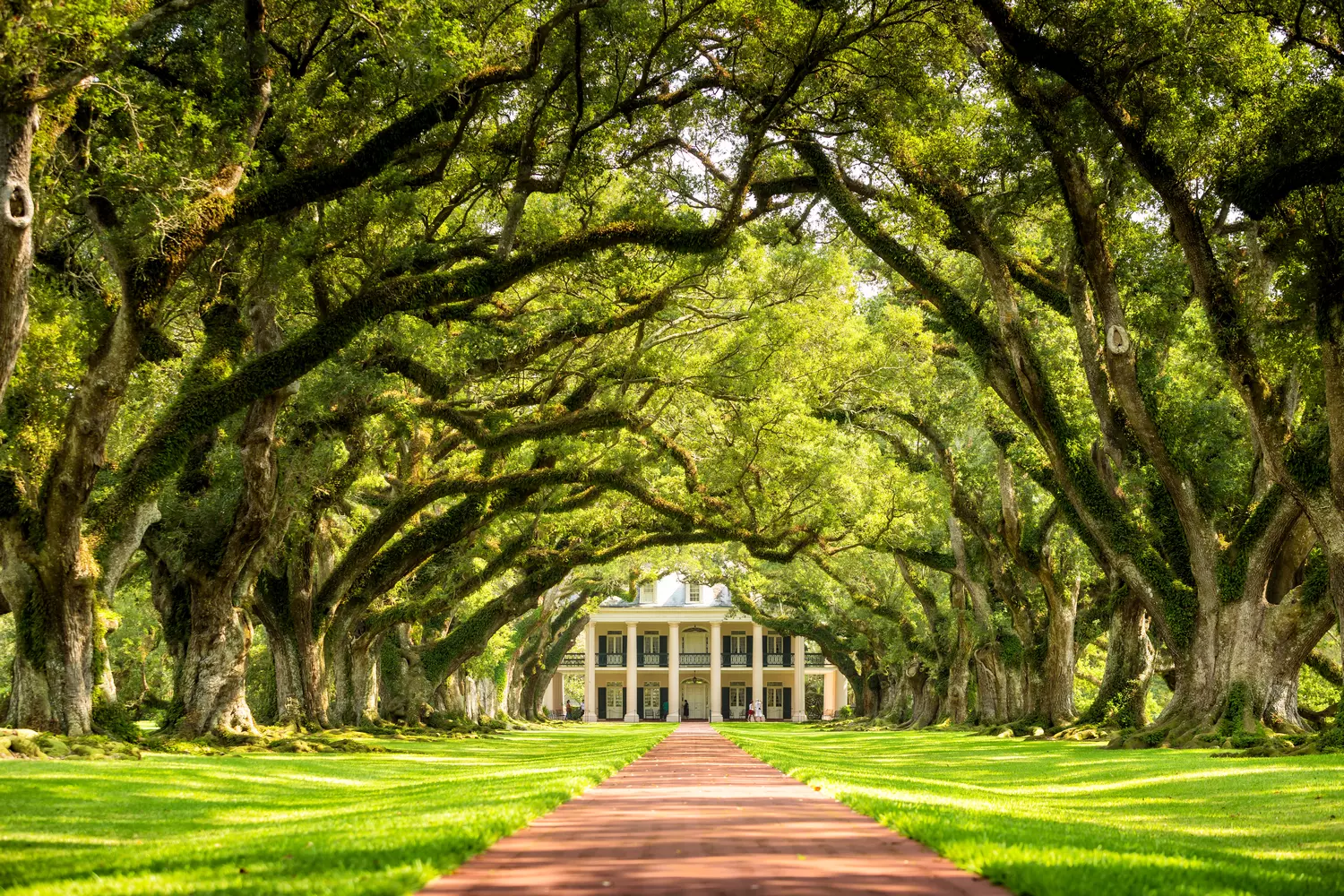


When it comes to the musical culture of the United States, one of the first cities that comes to mind is New Orleans. This remarkable city on the banks of the Mississippi has long earned a reputation not only as one of the most vibrant places in America, but also as a true musical capital of the country. Music can be heard everywhere here: in the historic bars of the French Quarter, on lively city squares, during street parades, and even at ordinary street corners. For locals, music is not just entertainment, but an essential part of their cultural identity — a tradition passed down from generation to generation.
It was in New Orleans that jazz was born — a musical genre that had a profound impact on the development of global culture. Combining African rhythms, European musical traditions, blues, gospel, and elements of folk music, jazz became a true revolution in the world of art. Its influence can be heard in rock, soul, funk, hip-hop, and even modern pop music. Today, jazz remains one of the key symbols of American culture, and New Orleans is rightly considered its birthplace.
Thousands of travelers visit the city every year to experience its unique atmosphere, stroll along the famous Bourbon Street, visit legendary music clubs, and listen to live performances by talented musicians. However, for those who want to dive deeper into the history of jazz and understand how the street music of New Orleans conquered the world, a visit to the New Orleans Jazz Museum is a must.
This museum is much more than just a collection of old instruments, photographs, and archival documents. It tells the story of the people who pioneered the genre, shows how the musical culture of the American South evolved, and allows visitors to see New Orleans through the eyes of the musicians who created a new era in art. Here you can explore rare exhibits, listen to historic recordings, view personal belongings of legendary performers, and discover countless fascinating facts about the development of jazz.
The museum’s atmosphere is further enhanced by its location in the historic Old U.S. Mint building — a former United States Mint that is itself an important city landmark. The combination of rich history, unique collections, and modern interactive technologies makes the New Orleans Jazz Museum one of the most interesting cultural sites in Louisiana.
Today, the museum is considered one of the world’s leading centers for preserving jazz heritage. It attracts tourists, musicians, researchers, and music lovers alike, all eager to connect with the origins of a genre that forever changed the history of global music culture. If you want to discover the real New Orleans and understand why this city became the cradle of jazz, a visit to the New Orleans Jazz Museum will be an essential part of your journey.

Many people believe jazz was born in clubs, but New Orleans funeral processions also played a key role in its development. After the formal part of the march, musicians often switched to lively, rhythmic tunes that helped shape early jazz.
From Pirates and Gold Coins to Jazz Legends: The Remarkable Story Behind the New Orleans Jazz Museum
The history of the New Orleans Jazz Museum is far more fascinating than it may seem at first glance. It is not simply a story about a museum dedicated to music. Here, the lives of musicians, collectors, historians, pirates, politicians, and an entire city intertwine — a city that has shaped its own unique culture over centuries.
To understand how the museum came into being, we need to go back to a time when jazz did not yet exist, and New Orleans was already one of the most unusual cities in North America.
- 01. A city where cultures from around the world merged
In the 18th and 19th centuries, New Orleans was a true cultural crossroads. Its port connected trade routes between North America, Europe, the Caribbean, and Africa. French, Spanish, English, African, Caribbean, German, and Italian settlers lived and worked here. Each group brought its own traditions, languages, and music. Thanks to this cultural diversity, New Orleans eventually became the birthplace of an entirely new musical form. But long before the first jazz bands appeared, certain figures in the city’s history indirectly influenced its musical development. - 02. Jean Lafitte — pirate, smuggler, and an unexpected part of the city’s musical history
One of the most famous figures in early New Orleans history was Jean Lafitte. This legendary pirate and smuggler operated in the Louisiana region in the early 19th century. His name is surrounded by many legends, some of which historians still cannot fully confirm or deny. During the War of 1812, Lafitte and his men helped defend New Orleans from British invasion, turning the former pirate into a local hero.
At first glance, the connection between Jean Lafitte and jazz may seem distant. However, many researchers note that active trade through the port of New Orleans facilitated constant cultural exchange between the Caribbean, South America, and the United States. Along with goods, musical instruments, rhythms, folk songs, dance traditions, and musical ideas from different cultures arrived in the city. Gradually, all these elements became part of New Orleans’ unique musical environment. Decades later, jazz would emerge from this cultural diversity. - 03. The beginnings of preserving jazz heritage
By the mid-20th century, jazz had long spread beyond Louisiana and become a global musical phenomenon. However, an unexpected problem arose: many objects connected to the early history of jazz were gradually disappearing. Old instruments were lost. Photographs remained in private archives. Rare recordings deteriorated over time. Musicians’ personal belongings were forgotten in attics and family collections. Historians began to realize that an important part of New Orleans’ cultural memory could disappear along with these items. That was when enthusiasts began assembling the first collections that would eventually form the museum. These included music researchers, teachers, collectors, musicians, relatives of jazz performers, and local historical societies. The work was done piece by piece. Every discovered instrument, concert poster, and photograph became part of a growing archive dedicated to jazz history. - 04. A collection that grew over decades
Over time, the number of exhibits grew rapidly. The museum’s collection came to include unique materials such as:
- Vintage trumpets and clarinets;
- Handwritten scores;
- Concert posters;
- Newspaper articles;
- Photographs of early jazz bands;
- Personal belongings of musicians.
Particularly valuable were items connected to artists who helped shape the genre in its early days. Many exhibits were donated by descendants of famous musicians. Some items were discovered by chance during the restoration of old houses or the sorting of private archives. Gradually, it became clear that the collection deserved a dedicated museum space.
- 05. A building that lived many lives
A proper home for the museum needed to reflect the significance of jazz heritage. The ideal choice was the historic Old U.S. Mint building. Its history alone reads like an exciting novel. It began as a U.S. coin mint. During the Civil War, it changed control several times. After the war, it was used for government purposes. Later, it housed various institutions. Over nearly two centuries, the Old U.S. Mint witnessed wars, economic crises, political changes, the era of racial segregation, and major urban reforms. Each historical period left its mark on the building’s story. Placing the museum here was therefore highly symbolic: a place once used to produce money gradually transformed into a repository of cultural value. - 06. From mint to music sanctuary
In 2015, the New Orleans Jazz Museum officially moved into the Old U.S. Mint building. This relocation marked an important milestone in the museum’s development. The new space significantly expanded its capabilities, adding:
- Modern exhibition halls;
- Concert venues;
- Educational spaces;
- Archival rooms;
- Multimedia exhibitions.
As a result, the museum became not only a repository of historical artifacts but also a full-fledged cultural center. Today it regularly hosts concerts, festivals, lectures, and meetings with musicians.
- 07. Hurricane Katrina: a test for musical heritage
One of the most dramatic chapters in modern New Orleans history is linked to Hurricane Katrina. In August 2005, the powerful storm struck Louisiana and became one of the worst natural disasters in U.S. history. Large areas of the city were flooded, thousands of people were forced to evacuate, and historic buildings, archives, and cultural institutions suffered severe damage. The musical heritage of New Orleans faced a serious threat, and many feared that unique jazz collections could be lost forever. However, museum staff, archivists, and volunteers carried out an enormous rescue effort. Thousands of documents and artifacts were saved, restored, and returned to museum collections. For the people of New Orleans, this became a symbol that jazz cannot be destroyed even by the most devastating forces of nature. The music survived the flood just as it had survived wars, crises, and social upheavals. - 08. A museum that continues to write history
Today, the New Orleans Jazz Museum remains not only a guardian of the past but also an active participant in the city’s modern musical life. Its mission goes far beyond traditional museum work. It does not simply collect old photographs and instruments — it preserves heritage, supports young performers, promotes research, organizes educational programs, and shares New Orleans culture with the world. Every concert, exhibition, or educational project becomes a continuation of a story that began many decades ago. That is why the New Orleans Jazz Museum is considered not just a museum of jazz, but a living symbol of the city’s musical heritage — the place where music that changed the world was born.
The City That Gave Jazz to the World: Why New Orleans Is Known as the Birthplace of a Legendary Music Genre
Today, jazz is performed on every continent. It can be heard in prestigious concert halls across Europe, at festivals in Asia, in clubs in New York, and on the streets of South America. However, this music has a very specific birthplace — New Orleans.
For locals, this is not just a tourist slogan. New Orleans is truly considered the cradle of jazz, and most music historians agree that it was here, in the late 19th century, that the earliest musical forms emerged which later evolved into a fully developed genre.
To understand why this happened here in particular, it is not enough to speak only about music. The history of jazz begins with the history of the city itself — one of the most unusual and multicultural places in North America.
- 01. New Orleans — a cultural crossroads of America
Unlike many American cities, New Orleans has never been culturally uniform. For centuries, trade routes, maritime paths, and global cultural currents intersected here. At different times, the city was influenced by France, Spain, Great Britain, African nations, the Caribbean, and Latin America. Sailors, traders, workers, musicians, and settlers from all over the world arrived here. Each culture brought its own music, dances, instruments, and traditions. Gradually, New Orleans became a place where musical ideas freely blended. This cultural diversity became the main condition for the birth of jazz. - 02. Music was literally everywhere in the city
The late 19th century is difficult to imagine from a modern perspective. There was no radio, television, or music streaming services. Music was a living part of everyday urban life. It could be heard everywhere: in marketplaces, churches, theaters, during festivals, family celebrations, military parades, and street processions. Musicians did not only perform on stages — they often played directly on the streets, gathering crowds of listeners. For New Orleans residents, music was as natural as cars or mobile phones are today. - 03. African rhythms that transformed music
One of the most important foundations of early jazz came from African musical traditions. Even after the abolition of slavery, many elements of African culture remained within local communities. A key role was played by Congo Square. This was one of the few places in North America where African Americans could relatively freely gather for music and dance. Drums, rhythmic chants, collective singing, and improvised musical patterns filled the space. Many researchers believe that Congo Square laid the foundations of the rhythmic language that later became a defining feature of jazz. Unlike traditional European music, African forms emphasized rhythm, emotional expression, and improvisation — qualities that would become hallmarks of jazz performance. - 04. European influence and musical education
If African culture gave jazz its rhythm and expressive freedom, European traditions provided its structural foundation. New Orleans had opera houses, music schools, symphonic ensembles, and brass bands. Many future jazz musicians received classical musical training, studying harmony, notation, composition, and orchestral performance. This is why early jazz was musically more complex than many other folk genres of the time — it combined European structure with African rhythmic freedom. - 05. Military bands and the birth of jazz sound
Another key factor was military brass bands. After the Civil War in the United States, large numbers of inexpensive musical instruments became available on the market. Former military trumpets, trombones, drums, and clarinets could be purchased at relatively low prices. Local musicians quickly took advantage of this opportunity, forming small brass ensembles. These groups performed at celebrations, weddings, public events, sports gatherings, and funeral processions. The combination of brass instruments with blues and African rhythms gradually formed the recognizable jazz sound. - 06. The surprising role of funeral processions
One of the most unusual traditions in New Orleans is the jazz funeral. At first glance, this combination may seem strange. However, in local culture, music has always been a way to express both joy and sorrow. During funeral processions, the band would begin with slow, solemn pieces. After the formal part, the music would gradually become more rhythmic and life-affirming. In this way, the city symbolically said farewell not only with grief but also with gratitude for the life lived. This tradition still exists today and remains one of New Orleans’ most distinctive cultural features. - 07. Storyville and the first jazz musicians
When discussing the birth of jazz, it is impossible not to mention the Storyville district. At the end of the 19th century, it was the city’s main entertainment quarter, filled with dance halls, theaters, bars, and music clubs. Musicians had to constantly attract audiences, which led them to experiment with sound and performance styles. It was here that many performers first began using improvisation — one of the defining elements of jazz. Gradually, musicians moved away from strict musical rules and began developing their own styles. - 08. The main secret of jazz — improvisation
Before jazz, most musical compositions were performed strictly according to sheet music. New Orleans musicians changed this approach. They began freely interpreting melodies, adding their own ideas, and creating variations during live performances. This gave rise to jazz improvisation. Each performance became a unique event, with even the same composition sounding completely different depending on the musicians’ mood and audience interaction. This freedom made jazz deeply appealing and helped it spread rapidly beyond Louisiana.
Music historians often ask whether jazz could have been born in another city. Theoretically, perhaps. But in practice, New Orleans possessed a unique combination of conditions that would have been difficult to find elsewhere. European musical traditions, African rhythms, Caribbean influences, a developed port culture, a multicultural population, and a rich musical life all coexisted here. Over time, these elements merged into a single musical language.
As a result, a new form of music emerged that would go on to change the world. That is why New Orleans is considered not just an important city in jazz history, but its true birthplace. It was here that the foundations of the genre were laid, the first great musicians emerged, and traditions were formed that continue to live on more than a century later. Today, the New Orleans Jazz Museum carefully preserves this extraordinary legacy, allowing every visitor to experience the moment when one of humanity’s greatest musical cultures was born.
A Building That Survived Wars and Eras: The Remarkable Architecture of the Old U.S. Mint
When visiting the New Orleans Jazz Museum, many tourists come for the history of jazz, famous musicians, and unique musical artifacts. However, within just a few minutes it becomes clear that one of the museum’s most important exhibits is the building itself.
The Old U.S. Mint is not just a historic structure. It is a true witness to nearly two centuries of New Orleans and American history. Over its long life, the building has served as a mint, survived wars, changes of government, economic crises, hurricanes, and major urban transformations. Today, it has become the home of one of America’s most renowned music museums.
Even if there were no exhibits inside at all, the Old U.S. Mint would still deserve a visit on its own.
- 01. One of the oldest federal sites in the United States
The history of the building began in 1835, when the U.S. federal government decided to establish a mint in New Orleans. At the time, the city was already one of the largest commercial hubs in the country. Its port handled vast amounts of gold, silver, and other valuable goods, making a local mint a logical necessity. Construction was completed in the late 1830s, and the building soon became one of the most important federal facilities in the American South. Gold coins, silver dollars, half-dollars, quarters, and other U.S. currency were minted here. For decades, enormous quantities of precious metals passed through its walls, and the coins produced here circulated across the entire country. Today, it is hard to imagine that the same rooms where gold and silver were once stored are now filled with jazz music and museum exhibitions. - 02. Greek Revival architecture
From an architectural perspective, the Old U.S. Mint is considered one of the finest examples of Greek Revival style in the southern United States. In the first half of the 19th century, this style was extremely popular in America. The young nation sought to emphasize its connection to the ideals of ancient Greek democracy, and architects often drew inspiration from classical temples and public buildings. This is why the Old U.S. Mint features characteristic elements such as strict symmetry, monumental proportions, massive columns, clean geometric lines, and restrained decoration. The building looks both majestic and elegant. Despite its impressive scale, it does not feel heavy; instead, it conveys harmony and carefully balanced design. - 02. Columns as the building’s defining symbol
One of the most recognizable features of the Old U.S. Mint is its massive columns. They are the first detail that catches visitors’ attention. The columns give the structure a ceremonial, almost palace-like appearance, emphasizing the importance of the building’s function in the 19th century. For many tourists, the façade resembles historic government buildings in Washington or even ancient European temples. It is no surprise that this site is a popular subject for photography and architectural tours. - 03. Historic façades preserving the spirit of the 19th century
The exterior walls of the building are particularly striking. Over nearly two centuries, they have witnessed the Civil War, economic crises, floods, hurricanes, urban redevelopment, and technological change. Despite this, the Old U.S. Mint has preserved much of its original appearance. Walking around the building, it is easy to imagine how it looked to a resident of New Orleans in the mid-19th century. This is a rare example of a historic monument that does not feel artificially restored; instead, its age is visible in every detail. - 04. Interior spaces designed to impress
Inside, visitors immediately notice how different modern museum architecture is from buildings of that era. The Old U.S. Mint does not have narrow corridors or low ceilings. Instead, the interior impresses with scale: spacious halls, wide passages, high ceilings, large windows, heavy doors, and preserved historical details. These spaces were originally designed not for aesthetics alone but for function, as the mint required large areas for coin production machinery. Today, these same spaces are perfectly suited for exhibitions and live performances. - 05. Historic staircases and a sense of the past
The historic staircases are among the most photogenic elements of the interior. Walking up them feels like a journey through time. Each step evokes the presence of people who passed through here decades or even centuries ago: government officials, engineers, mint workers, soldiers, politicians, and museum staff. These details create a tangible connection between past and present. - 06. A building that survived the Civil War
One of the most remarkable facts about the Old U.S. Mint is its role during the Civil War. When the southern states seceded from the Union, control of the building changed hands multiple times. At different periods, coins were minted for the United States, the State of Louisiana, and the Confederate States of America. Few buildings in the United States have such a complex and layered history. - 07. From segregation era to cultural center
After the mint ceased operations, the building underwent numerous transformations. It survived urban redevelopment, racial segregation, industrialization, the Great Depression, and the development of modern America. Each era left its mark. Despite all changes, the Old U.S. Mint remained an important part of city life. Its transformation into the New Orleans Jazz Museum is therefore deeply symbolic: music that once united diverse cultures of the city now resides in a building that is itself part of national history.
The unique atmosphere of the Old U.S. Mint comes from the combination of several elements: monumental 19th-century architecture, American history, New Orleans cultural heritage, jazz traditions, and modern museum technology. Few places can offer a building that tells a story as compelling as the exhibits it contains.
That is why many visitors find themselves admiring not only the museum’s collections but also the architectural details of the Old U.S. Mint long after their visit. This historic landmark is not just a container for exhibits — it is an essential part of the museum’s story, as significant as the antique instruments, photographs of legendary musicians, and rare early jazz recordings.
When the Walls Start to Play: The Secret of the Remarkable Acoustics of the Old U.S. Mint
Visitors to the New Orleans Jazz Museum often come for the history of jazz, famous exhibits, and live performances. But many notice something that cannot be captured in photos or guidebooks: the music sounds different here.
Even people with no professional musical background often remark that performances inside the Old U.S. Mint feel fuller, warmer, and more natural. It feels as though the building itself supports the musicians, amplifying each note and creating a sense of living presence.
Of course, there is no magic behind this effect. Its secret lies in the architecture of a building constructed nearly two centuries ago, at a time when engineers did not use computer-based acoustic modeling but had a strong intuitive understanding of space, materials, and proportions.
Today, many specialists believe that the historic interiors of the Old U.S. Mint possess acoustic qualities that are difficult to replicate even in modern concert halls.
- 01. Why brick matters for sound
One of the key elements of the building’s acoustics is its brick construction. Modern concert halls often use specialized sound-absorbing materials to control reflections. In the 19th century, such technologies did not exist. However, massive brick walls have their own acoustic properties. They can:
- Soften harsh frequencies;
- Create natural reverberation;
- Reduce unpleasant echo;
- Preserve the richness of instrumental sound.
As a result, the music does not feel flat or overly loud. Instead, it fills the space naturally. This is especially noticeable during small jazz ensemble performances, where every detail matters.
- 02. High ceilings and spatial breath
Another reason for the distinctive sound is the high ceilings. Modern buildings are often designed for efficiency, while 19th-century structures prioritized volume and openness. The large interior spaces of the Old U.S. Mint allow sound to travel freely without feeling confined. When a trumpet plays a solo or a saxophone holds a long note, the sound does not immediately hit a nearby wall — it has space to fully develop. This is why musicians often describe the sound as unusually natural. - 03. The role of arches and vaulted structures
The building also features arches and vaulted ceilings, architectural elements used long before modern acoustics existed. Builders of the past intuitively understood that curved surfaces improve sound distribution. Vaults help:
- Evenly distribute sound waves;
- Avoid acoustic dead zones;
- Create a sense of spatial depth;
- Maintain clarity of musical lines.
During performances, this is especially noticeable in instrumental music where subtle nuances matter. Even visitors without musical training often feel the difference between this space and modern venues.
- 04. Why jazz sounds especially good here
There is another reason why the museum’s acoustics seem almost ideal for jazz. Early jazz musicians performed long before modern amplification systems existed. Their music was shaped entirely by natural acoustics. As a result, the genre itself evolved in environments similar to this. When jazz is performed today inside a 19th-century building, it feels as though it has returned to its natural habitat. Trumpet, clarinet, double bass, and drums sound exactly as early musicians might have intended. - 05. Musicians notice the difference too
Many performers who have played at the New Orleans Jazz Museum mention the special atmosphere of the Old U.S. Mint. This is not only about emotional perception — there are practical effects as well. Musicians can hear each other more clearly, interact more naturally within the ensemble, and feel a stronger connection with the audience. In jazz, where improvisation and dialogue are essential, this is especially important. The better musicians hear each other, the more alive the performance becomes.
Interesting fact: Acoustic specialists have long observed a curious pattern: some historic buildings possess such a naturally balanced combination of materials and architectural design that modern engineers still study them today. Old theaters, churches, and concert halls often serve as benchmarks of natural acoustics. The Old U.S. Mint is one such example. Although it was never designed as a music venue, its architectural features have created an exceptionally suitable environment for live performance.
During a visit to the New Orleans Jazz Museum, many guests initially come for the history of jazz, rare exhibits, and famous names. But after attending a concert, they often feel that another performer was present: the building itself. Brick walls reflect the sound. High ceilings allow it to expand. Vaults add a soft resonance. And at some point, it becomes clear why performances here leave such a strong impression. The Old U.S. Mint does not merely preserve the history of jazz.
It helps that history sound.
That is why many visitors consider concerts here among the most atmospheric in all of New Orleans, and the Old Mint a place where architecture and music have been beautifully intertwined for nearly two centuries.
A Time Machine Through the World of Jazz: The Most Fascinating Exhibits at the New Orleans Jazz Museum
Many visitors come to the New Orleans Jazz Museum expecting to see a few old musical instruments and photographs of famous performers. However, within just a few minutes it becomes clear that the museum offers far more than that.
Its collection includes thousands of unique objects spanning more than a century of musical history. These are not merely items once owned by famous musicians. Each exhibit tells its own story about people, eras, and events that helped transform jazz from a local New Orleans style into a global cultural phenomenon.
Walking through the museum halls, visitors seem to embark on a journey through time — from the bustling streets of Storyville and the earliest brass bands to modern international jazz festivals.
- 01. Musical instruments that changed history
The heart of the collection is undoubtedly its musical instruments. For jazz enthusiasts, this is a rare opportunity to see objects once held by legendary performers and used in the creation of music that became part of global culture. The exhibits include trumpets, saxophones, clarinets, trombones, pianos, drum sets, double basses, and rare brass instruments from the 19th and early 20th centuries. Some still bear traces of heavy use — scratches, wear marks, and even minor damage accumulated over years of performance. These details make the objects especially valuable, reminding visitors that behind every display case lies a living human story and artistic journey. - 02. Legendary pianos that witnessed the birth of jazz
A special place in the museum is reserved for historic keyboard instruments. In New Orleans, the piano has always played a crucial role. Before jazz orchestras appeared on large stages, music was often performed in small venues where the piano was the central instrument. Among the most notable exhibits are instruments associated with influential musicians. Of particular interest are the pianos once played by Jelly Roll Morton and Professor Longhair.
Jelly Roll Morton is considered one of the key figures of early jazz. He was not only a talented pianist but also one of the first composers to transcribe jazz into written notation. Professor Longhair, on the other hand, became a symbol of mid-20th-century New Orleans music. His style blended jazz, blues, boogie-woogie, and Caribbean rhythms, profoundly influencing generations of musicians. Seeing the instruments on which such legendary music was created is a true gift for any lover of musical history. - 03. Archival photographs preserving a vanished world
If musical instruments allow visitors to hear the past, archival photographs allow them to see it. The museum’s collection includes thousands of images, many of which were long kept in private archives and were not accessible to the public. These photographs capture early jazz ensembles, musicians of the early 20th century, famous New Orleans clubs, city parades, music festivals, and everyday urban life.
They also reveal how New Orleans itself changed over time. Old images show the streets where early jazz performers walked, the buildings where they played, and the neighborhoods that became part of the city’s musical legend. Some photographs are of immense historical value, as they are the only surviving visual records of certain musicians or ensembles. - 04. Manuscripts and sheet music of great performers
One of the most surprising discoveries for many visitors is the museum’s collection of original manuscripts and musical scores. Today we are used to listening to music via smartphones and streaming platforms. But long before digital technology, every composition existed only on paper. The museum showcases:
- Original composer notes;
- Handwritten sheet music;
- Musical sketches;
- Working drafts of famous compositions;
- Personal notes by musicians.
These documents offer a rare glimpse into the creative workshop of jazz legends. In the margins, visitors can sometimes see corrections, annotations, or alternative melodic ideas that never made it into the final versions. Such details help reveal how music that became part of global classical heritage was actually created.
- 05. The magic of early sound recordings
Today, recording music is as simple as pressing a button. A century ago, things were entirely different. One of the museum’s most fascinating sections is dedicated to early sound recording media. Here visitors can see wax cylinders, gramophone records, rare 78 RPM discs, antique playback devices, and early 20th-century recording equipment.
For modern audiences, these devices seem almost fantastical. Yet it was thanks to them that music first escaped the concert hall and entered people’s homes. Many historians consider the development of sound recording one of the key factors in the global spread of jazz. Without gramophones, New Orleans’ musical revolution might have remained a local phenomenon. Recordings helped jazz first conquer America — and then the world. - 06. Audio archives that let you hear the past
One of the museum’s greatest strengths is that history can be both seen and heard. In dedicated multimedia spaces, visitors can access rare archival recordings from different eras. They can compare early 20th-century jazz, swing-era performances, big band music, bebop, and modern interpretations.
For many guests, this becomes the most emotional part of the visit. It is one thing to look at a photograph of a musician, and quite another to hear their performance recorded a century ago. - 07. The secrets of Storyville: where jazz was born
One of the museum’s most unusual sections is dedicated to Storyville. At the turn of the 20th century, this district was the center of New Orleans’ nightlife. It was home to music halls, dance venues, piano bars, and entertainment clubs. Many researchers believe that jazz began to take its recognizable form here.
Musicians had to perform for hours, entertaining audiences and constantly improvising. The exhibition includes items from that era: old posters, advertising signs, interior elements of music venues, photographs of clubs, and everyday objects from the early 20th century. These exhibits help recreate the atmosphere in which the music that would later change the world was born.
The defining feature of the New Orleans Jazz Museum collection is that it tells not only the story of music, but the story of people — musicians searching for new sounds, club owners giving young talents a chance, and New Orleans residents for whom music was part of everyday life. Every instrument, photograph, and record becomes part of a vast narrative that continues to this day.
That is why walking through the museum feels like a journey through time. Here, visitors do not just learn about jazz — they truly feel the atmosphere of the city where one of the most influential musical cultures in human history was born.
The People Who Created Jazz: Musical Legends Featured at the New Orleans Jazz Museum
The history of jazz cannot be told through dates and events alone. This music has always been, прежде всего, the story of people — talented, bold, and sometimes eccentric musicians who were not afraid to experiment and create something new.
That is why one of the most fascinating sections of the New Orleans Jazz Museum is dedicated to the individuals without whom jazz might never have emerged or become a global phenomenon.
Walking through the museum halls, visitors encounter not just famous names from music textbooks. Behind every exhibit lies a real human story — people who grew up on the streets of New Orleans, performed in small clubs, took part in city parades, and ultimately changed the course of musical history.
Many of them began their journey in the poorer neighborhoods of Louisiana and later became world-famous artists. Others never achieved global fame, but had a profound influence on the development of jazz and inspired entire generations of musicians.
- 01. Jelly Roll Morton — the man who claimed he invented jazz
Jelly Roll Morton stood at the very origins of the genre. He was not only a brilliant pianist but also a gifted composer, arranger, and musical innovator. He famously claimed that he had invented jazz. Historians treat this statement with skepticism, but his influence is undeniably significant. Morton’s main contribution was that he was one of the first to systematize this new music. Before him, jazz existed mostly as improvisation. Morton helped transform it into a structured musical form with defined compositions. The museum features:
- Handwritten scores;
- Archival photographs;
- Performance recordings;
- Materials about his life in New Orleans.
Particularly interesting are exhibits related to his work in Storyville, where many early forms of jazz were born.
- 02. Sidney Bechet — a virtuoso who conquered the world
Sidney Bechet is considered one of the first international jazz stars. Unlike many of his contemporaries, he achieved success not only in the United States but also in Europe. He became especially famous for his masterful command of the soprano saxophone. His playing was known for its extraordinary emotional intensity and powerful tone. Many in the jazz world regard Bechet as one of the first great soloists in jazz history. The museum exhibition traces his journey from the streets of New Orleans to the world’s major concert stages. - 03. Buddy Bolden — a legend no one ever heard
Among all figures in jazz history, Buddy Bolden remains the most mysterious. Paradoxically, the man often credited as the first jazz musician in history has never been heard by modern audiences. The reason is simple: no recordings of his playing exist. Everything known about him today comes from the memories of those who heard him perform. Contemporaries described Bolden as a musician of extraordinary energy and a powerful trumpet sound. According to eyewitness accounts, his band was so loud it could be heard several blocks away. Historians believe Bolden was one of the first to use improvisation extensively, which later became a foundation of jazz. The museum includes:
- Photographs from Bolden’s era;
- Historical documents;
- Research materials;
- Reconstructed historical contexts.
This exhibition is especially compelling because it allows visitors to connect with a musical legend that exists more in memory than in recordings.
- 04. Kid Ory — trombone master and innovator of the jazz ensemble
Another key figure featured in the museum is Kid Ory. He is regarded as one of the greatest trombonists of early jazz. Ory became known for his distinctive playing style and his major contribution to the development of New Orleans jazz bands. He collaborated with leading musicians of his time and played a crucial role in shaping collective improvisation. For many modern performers, his work remains a model of classic New Orleans jazz style. - 05. Allen Toussaint — the musical architect of New Orleans
When discussing late 20th-century music, Allen Toussaint cannot be overlooked. A composer, producer, pianist, and arranger, he helped shape the modern sound of New Orleans. Toussaint worked with dozens of influential artists and made a significant contribution to American popular music. Many of his compositions have become classics. In the museum, his legacy is presented as a bridge between traditional jazz and contemporary musical culture. - 06. Wynton Marsalis — a guardian of tradition in the modern world
Wynton Marsalis is one of the most prominent jazz musicians of our time. Born in New Orleans, he built an international career and became one of the leading advocates for jazz in the 21st century. Marsalis is actively involved in education, works to preserve musical heritage, and introduces new generations to the importance of jazz in global culture. His presence in the exhibition reminds visitors that the story of jazz is not over — it is still unfolding today.
The defining feature of these exhibitions is that they tell not only the story of musical achievement, but also the story of people — individuals who lived in different eras, faced hardships, searched for their own path, and through their talent changed the world. Some performed in small Storyville clubs, others filled large concert halls. Some became global stars, others remained local legends. But they are all united by one fact: without them, neither the history of New Orleans nor the history of jazz would be imaginable. That is why their legacy holds a special place in the New Orleans Jazz Museum, allowing visitors to meet those who transformed the music of Louisiana’s streets into a cultural treasure of humanity.
The best and most popular jazz clubs in Miami
Louis Armstrong: The New Orleans Boy Who Changed Music Forever
Among all the names featured in the collection of the New Orleans Jazz Museum, a special place belongs to Louis Armstrong. For many people, he became the very embodiment of jazz and one of the most recognizable musicians of the 20th century. His unique voice, virtuosic trumpet playing, and charisma helped bring jazz far beyond the borders of the United States.
However, Armstrong’s story did not begin on the stages of the world’s great concert halls. It began on the streets of New Orleans — the city that played a key role in shaping his talent.
Today, the museum carefully preserves his legacy and offers visitors a chance to trace his journey from an ordinary boy in a poor neighborhood to a man who forever changed the history of global music.
- 01. Childhood surrounded by music and noisy streets
Louis Armstrong was born in 1901 in one of the poorest districts of New Orleans. His family life was difficult, and his childhood was marked by constant financial hardship, with few clear prospects for the future. Yet the city offered one priceless gift — music. In the early 20th century, New Orleans quite literally lived and breathed music. The streets were filled with brass bands, blues melodies, church hymns, marching tunes, street performers, dance hall music, and club performances. From an early age, young Armstrong absorbed all these sounds. Later, this unique musical environment would become the foundation of his own style. - 02. First steps toward the big stage
One of the turning points in Armstrong’s life was his time in a juvenile correctional facility. It was there that he first had the opportunity to seriously study music and learned to play the cornet — the instrument that would eventually open the door to the world of jazz. His musical abilities developed quickly. His talent was noticed by teachers and local musicians, and soon he began performing in New Orleans bands. The museum exhibition explores this period in detail, showing how a passion for music gradually became his life’s calling. - 03. Exhibits dedicated to a jazz legend
The section of the museum devoted to Louis Armstrong is among the most popular with visitors. It brings together materials that reveal not only the global superstar, but also a real person with his own story, dreams, and struggles. The exhibition includes photographs from different stages of his life, rare documents, concert posters, archival publications, personal memorabilia, historical audio recordings, and materials about his years in New Orleans. It is especially fascinating to observe how Armstrong changed over time — from a young musician just starting his career to an internationally acclaimed icon. - 04. “The cornet”: a musical relic of the museum
One of the most valuable exhibits connected to Louis Armstrong is his cornet. For jazz enthusiasts, this instrument has almost legendary status. It was on this cornet that Armstrong began learning music in his youth, long before he became famous as a trumpeter. At first glance, the instrument may look like an ordinary historical artifact. Yet its significance in jazz history is immense. It represents the very beginning of the journey of a musician who would go on to become one of the most influential figures in global music culture. There is also a well-known story about its damaged mouthpiece. According to contemporaries, young Armstrong practiced and performed so intensely that parts of the instrument eventually wore out. This detail is often cited as an example of his extraordinary dedication and work ethic. Today, the cornet is seen not just as a musical instrument, but as a symbol of how talent, persistence, and love for music can shape a human destiny. - 05. How Armstrong changed jazz
Before Louis Armstrong, jazz was primarily based on collective ensemble performance. Armstrong helped bring solo performance and improvisation to the forefront. His influence can be felt across many aspects of modern music. His key contributions include:
- Development of jazz improvisation;
- Popularization of solo performances;
- Creation of a new approach to vocal style;
- Global spread of jazz music;
- Influence on generations of musicians.
Many researchers believe that without Armstrong, the history of jazz might have looked completely different.
The museum exhibition shows that Louis Armstrong was not just a gifted musician. He became a symbol of an entire era. His story reflects the spirit of New Orleans itself — a city where people of different cultures and traditions came together to create an entirely new musical language.
Visitors to the museum see not only his brilliant career, but also the long journey from the streets of his hometown to the world’s greatest stages. That is why the section dedicated to Louis Armstrong leaves such a powerful impression. It reminds us that behind every musical legend stands a real person, and behind global success lie years of hard work, the search for one’s own voice, and an unwavering love for music.
The Women Who Made Jazz a Legend: From Billie Holiday to the Queens of Storyville
The history of jazz is most often told through the names of famous trumpeters, saxophonists, and bandleaders. Louis Armstrong, Jelly Roll Morton, Kid Ory, and many others played a crucial role in shaping the genre. However, behind this narrative there are often women whose contributions were no less significant.
They were singers, mentors, organizers of musical life, venue owners, and keepers of cultural traditions. Some performed on the world’s biggest stages, while others never appeared on posters — yet it was often thanks to them that young musicians were given the opportunity to develop their talent.
The exhibitions at the New Orleans Jazz Museum encourage a broader view of jazz history, showing that the emergence of this musical form cannot be imagined without the women who inspired, supported, and created the environment in which future legends grew.
- 01. Women in the early world of jazz
The late 19th and early 20th centuries were a challenging time for women in the music industry. Most prominent bands were led by men, and society often limited women’s professional opportunities. Nevertheless, women became an essential part of New Orleans’ musical culture. They performed in churches, theaters, music salons, dance halls, clubs, and family ensembles. In many cases, women preserved musical traditions within families and passed them on to the next generations. It is no coincidence that many great jazz musicians later admitted that their first introduction to music came through mothers, grandmothers, or female relatives who sang in church or played instruments at home. - 02. Billie Holiday — a voice that cannot be forgotten
Although Billie Holiday was not from New Orleans, her influence on jazz is impossible to overstate. She became one of the most recognizable and emotionally powerful vocalists in jazz history. Her voice was unmistakable. Rather than relying on range or technical complexity, she brought extraordinary sincerity and emotional depth to every performance. As a result, even familiar songs took on entirely new meaning in her interpretation. Many musicians noted that Holiday did not simply sing — she told stories through music.
Her artistry reshaped the role of the jazz vocalist. Before her, singers were often seen as an addition to the band. After Holiday, the voice became a fully independent instrument of artistic expression. In museum narratives on jazz history, Billie Holiday is often regarded as one of the women who expanded the boundaries of the genre and proved that emotional power can be just as important as technical skill. - 02. Mahalia Jackson — the voice of New Orleans
If Billie Holiday became a symbol of jazz vocals, Mahalia Jackson emerged as one of the most influential gospel singers of all time. Born in New Orleans, she grew up in the city’s rich early-20th-century musical environment. Although her primary focus was spiritual music, her impact on American musical culture was immense. Her powerful voice and deeply emotional delivery inspired not only gospel performers but also many jazz musicians. Jackson demonstrated how closely interconnected the musical traditions of the American South truly are. Her work blends gospel, blues, jazz, folk, and church music — reflecting the cultural fusion that shaped New Orleans’ unique sound. - 03. Music began at home
When historians study the development of jazz, they often look not only at famous performers but also at the family environments in which future musicians grew up. In many New Orleans households, women were responsible for early musical education. Mothers and grandmothers taught church songs, introduced folk traditions, supported musical practice, helped acquire first instruments, and inspired future artists. Without this daily and often invisible work, the history of jazz might have looked very different. Many legends of the genre received their first musical impressions thanks to women in their families. - 04. Storyville and the women who shaped the music scene
One of the most unusual chapters in jazz history is the Storyville district. At the turn of the 20th century, it was the main entertainment hub of New Orleans. Numerous music venues operated there, where young musicians — many of whom would later become jazz legends — performed regularly. Women known as “Madames” played a key role in shaping the district’s musical life. While the term is often associated only with one aspect of Storyville’s history, the reality was more complex. Many of these women were successful entrepreneurs who actively invested in live music. They hired musicians, purchased instruments, and created performance opportunities. In practice, many early jazz performers found their first stable employment in such venues. - 05. How the Madames supported the rise of jazz
For musicians in the early 20th century, finding steady work was difficult. Musical careers rarely provided financial stability. Storyville venues became experimental spaces where young performers could play regularly, refine their skills, develop improvisation, collaborate with other musicians, and form their own styles. Venue owners understood that good music attracted audiences, so many were invested in supporting emerging talent. Some researchers even describe Storyville as one of the first “musical laboratories” of jazz.
Interesting fact: After Storyville was closed in 1917, many documents and artifacts related to the district could have been lost forever. However, a number of photographs, posters, and archival materials survived thanks to women who preserved them in family collections for many years. These materials now help historians better understand the early formation of jazz in New Orleans.
The history of jazz is not only the story of great trumpeters and saxophonists. It is the story of an entire community in which women played a fundamental role. Some performed on stage and captivated audiences with their voices. Others raised future musicians. Still others created the spaces in which new music could emerge. Billie Holiday gave jazz emotional depth. Mahalia Jackson became the voice of the American South’s spiritual tradition.
The women of Storyville helped create the environment in which jazz took its first steps. That is why modern exhibitions dedicated to jazz history increasingly highlight not only famous male musicians but also the women without whom this music could never have become the global cultural phenomenon it is today.
Hear the Story Come Alive: How the New Orleans Jazz Museum Turns Visitors into Participants in a Musical Journey
Most historical museums are built on a similar principle. Visitors move from room to room, observe exhibits behind glass, read informational plaques, and learn about the past through photographs, documents, and everyday objects.
Jazz, however, is a different kind of art. It cannot be fully understood by simply looking at old instruments or archival photographs. Jazz must be heard.
That is why the New Orleans Jazz Museum has taken a completely different approach to exhibition design. Here, music is not a background element — it becomes the main character. Visitors do not merely study the history of jazz; they immerse themselves in it through modern technology, sound, and multimedia experiences.
This format makes the museum one of the most interactive musical spaces in the United States, allowing visitors to experience jazz not only intellectually, but emotionally as well.
- 01. When sound becomes an exhibit
The key feature of the museum is that a significant part of its collection exists not only in physical form but also as sound. Music is a living art, after all. Even the most famous saxophone or trumpet cannot tell its story as powerfully as a recording of the musician who once played it. That is why visitors are accompanied by sounds from different eras throughout many exhibition halls. During the tour, guests can hear:
- Early New Orleans jazz;
- Swing-era music;
- Big band recordings;
- Performances by legendary soloists;
- Modern interpretations of classic compositions.
Moving from one section of the museum to another feels like traveling through the musical history of the 20th century.
- 02. Interactive audio stations
One of the most popular features of the exhibition is the audio stations. They allow visitors to choose recordings and explore the work of different artists at their own pace. Instead of following a fixed audio guide, visitors can independently explore the musical archive. Through these stations, they can:
- Compare styles of different musicians;
- Study characteristics of various jazz eras;
- Listen to rare archival recordings;
- Learn the history of specific compositions;
- Explore musicians’ biographies.
This format is especially appreciated by those who already have an interest in music and want to explore its development in greater depth.
- 03. Touchscreens that bring history to life
Another important element of the modern exhibition is interactive touchscreen panels. They transform a traditional museum visit into an engaging exploration. The screens feature archival photographs, historical maps, documents, newspaper articles, video materials, and musician biographies. Visitors can select topics of interest and explore them in detail. For example, they can trace the development of jazz by decade, learn about specific neighborhoods of New Orleans, or study the lives of famous performers. This format is ideal for those who prefer self-guided discovery over traditional tours. - 04. Musical installations that create a sense of presence
One of the most powerful experiences comes from multimedia musical installations. Unlike traditional museum halls, these spaces create the sensation of being inside a live musical event. Modern technologies allow visitors to feel the atmosphere of:
- An early 20th-century jazz club;
- A New Orleans street parade;
- A concert performance;
- An orchestra rehearsal;
- A festival stage.
Sound, visuals, and effects merge into a single immersive environment. Many visitors note that it is precisely in these rooms that they begin to truly understand why jazz became such an important part of American culture.
- 05. Digital archives: access to musical memory
Just a few decades ago, many of the materials now preserved in the museum were accessible only to researchers and historians. With the rise of digital technologies, this has changed. Visitors can now explore digital archives containing thousands of historical materials, including photographs, audio recordings, musician interviews, newspaper articles, concert programs, and rare documents. Digitization has preserved a vast amount of material and made it available to a wide audience. For history enthusiasts, it is a true treasure trove of information. - 06. How jazz evolved over a century
One of the museum’s most engaging interactive projects is the exhibition dedicated to the evolution of jazz. Many visitors are surprised by how dramatically the genre has changed over time. Through multimedia tools, they can follow jazz from its early New Orleans roots to modern styles. Guests learn:
- What early jazz sounded like;
- How the swing era differed;
- Why bebop emerged;
- How contemporary jazz developed;
- What influence jazz had on other musical genres.
In essence, the museum allows visitors to hear musical history in chronological order — an experience impossible to achieve through books or photographs alone.
- 07. Archival recordings that transport listeners to the early 20th century
One of the most impressive parts of the exhibition is its historical audio recordings. Some of them are more than a century old. Despite the technical limitations of their time, they still carry remarkable energy. Listening to early jazz recordings makes it clear why this music was revolutionary. Even after a hundred years, it still conveys freedom, emotional intensity, improvisation, bold experimentation, and extraordinary vitality. Many visitors say that these recordings are the most powerful moment of their entire visit.
Jazz has always been a living art form. It was born in streets, clubs, celebrations, and festivals. That is why telling its story solely through static objects would inevitably leave out an essential part of the experience. The New Orleans Jazz Museum solves this challenge through modern technology.
Here, history does not sit behind glass. It sounds. It moves. It speaks to visitors through music, images, and the memories of those who created jazz itself.
That is why many travelers leave the museum not only with new knowledge, but also with the feeling that they have briefly stepped back into early 20th-century New Orleans — a city where, on noisy streets and in small music venues, a genre was born that would go on to change the world.
When the Museum Starts to Swing: Live Concerts at the New Orleans Jazz Museum
Most museums come to life only in the imagination of their visitors. Exhibits tell stories of the past, photographs recall long-gone eras, and documents help reconstruct events that took place decades or even centuries ago.
But the New Orleans Jazz Museum is different. Here, history does not remain behind glass display cases — it continues to sound every day. That is why the museum is considered not only one of the most important repositories of jazz heritage in the United States, but also a fully functioning concert venue where past and present meet in a single space.
For many guests, visiting the museum becomes a special experience precisely because of the opportunity to hear live music in the very place where its history began.
- 01. A museum that has not stood still in time
In many cultural institutions, musical instruments become museum artifacts once their active life is over. At the New Orleans Jazz Museum, a completely different approach is taken. Here, it is believed that jazz cannot be preserved through archives, photographs, and old recordings alone. Music must continue to live. That is why the museum actively supports contemporary musical projects and hosts dozens of events throughout the year. Today, its concert program includes:
- Jazz concerts;
- Festival performances;
- Creative meetings with musicians;
- Educational lectures;
- Masterclasses;
- Youth music programs;
- Special themed evenings;
- Cultural events of the city.
Thanks to this, the museum is constantly filled not only with tourists, but also with local residents for whom jazz remains part of everyday life.
- 02. Concerts in a historic building
One of the defining features of performances is the atmosphere itself. Concerts take place inside the Old U.S. Mint — a building whose history spans nearly two centuries. High ceilings, historic architecture, and preserved interiors create a truly unique mood. During performances, visitors find themselves in an environment where the following come together:
- The history of the American South;
- Nineteenth-century architectural heritage;
- The musical culture of New Orleans;
- Contemporary jazz traditions.
Many travelers note that hearing live jazz in such a setting is far more powerful than attending a conventional concert hall. Here, the music feels like a natural continuation of the building’s own history.
- 03. Authentic New Orleans jazz without tourist decor
New Orleans is famous for its music clubs, bars, and performance venues. However, the city’s popularity has also led to the rise of many tourist-oriented establishments. The museum offers something different. Here, music exists not as a show, but as a continuation of cultural tradition. That is why many jazz enthusiasts consider the museum concerts one of the best ways to experience the city’s authentic musical heritage. Performances may include traditional New Orleans jazz, blues, gospel, brass band music, modern jazz styles, and original interpretations of classic works. This diversity shows just how rich and varied jazz remains more than a century after its creation. - 04. Musical dynasties of New Orleans
Performances by local musicians are of particular interest to visitors. New Orleans has a unique tradition of musical families. In many cases, the love of jazz is passed down from generation to generation. It is not uncommon for musicians performing at the museum today to be children, grandchildren, or even great-grandchildren of performers who once played in city orchestras decades ago. This continuity is one of the reasons why the city’s musical culture has preserved its distinctive identity. During concerts, visitors can literally witness how traditions of the past continue to live in contemporary performance. - 05. Meetings with musicians and creative conversations
Another distinctive feature of the museum is its artist meet-and-greet sessions. After certain concerts, guests have the opportunity to speak with musicians, ask questions, and learn more about the jazz culture of New Orleans. These events offer a deeper, behind-the-scenes perspective on music. Visitors learn:
- How contemporary jazz compositions are created;
- Which traditions have been preserved since the early twentieth century;
- How musicians learn improvisation;
- Why New Orleans remains the world capital of jazz;
- What the future of the genre may look like.
For many music lovers, these encounters become one of the most memorable parts of the museum experience.
- 06. Masterclasses for future musicians
Educational work is an essential part of the New Orleans Jazz Museum’s mission. The museum regularly organizes programs for children, students, and emerging musicians. Participants can engage with jazz history not only as listeners but also as practicing performers. During masterclasses, instructors cover topics such as jazz improvisation, music theory, New Orleans performance traditions, ensemble work, and the development of personal musical style. These initiatives help preserve and pass on musical heritage to new generations.
The most remarkable aspect of the museum’s concert program is how it dissolves the boundary between past and present. A few moments earlier, a visitor might have been looking at Louis Armstrong’s historic trumpet or archival photographs of early jazz orchestras.
And then, in the next room, live music begins to play. The same rhythms. The same traditions. The same energy that once was born in the streets of New Orleans.
In these moments, it becomes clear that jazz is not merely part of a distant past. It continues to evolve, inspire, and connect people around the world. That is why concerts at the New Orleans Jazz Museum are considered not just an addition to the exhibition, but an essential part of the entire institution. They allow visitors to witness the greatest wonder of New Orleans — music that, more than a century after its birth, remains vividly alive.
From Africa to the Caribbean: The Cultural Roots of Jazz Through the Museum’s Exhibits
Visitors to the New Orleans Jazz Museum quickly come to understand an important truth: jazz did not appear suddenly, nor was it invented by a single individual. This music emerged from the encounter of many cultures, peoples, and traditions that had been intertwining in New Orleans for centuries.
That is why the museum places special emphasis not only on famous musicians and musical instruments, but also on the cultural processes that made the birth of jazz possible.
Particular attention is given to exhibitions dedicated to African American heritage and the influence of Latin America. These displays help explain why New Orleans became such a unique point on the world map, where a completely new genre was born from the blending of diverse musical traditions.
- 01. African roots of New Orleans music
The history of jazz cannot be separated from the history of African Americans in the United States. Many elements now considered fundamental to jazz originated long before the genre itself and can be traced back to the musical traditions of West and Central African peoples. Enslaved Africans brought to the Americas were stripped of much of their cultural heritage, yet music remained one of the few traditions that survived and was passed down through generations. Over time, several key elements were preserved:
- Complex rhythmic structures;
- Collective performance traditions;
- Musical dialogue between performers;
- Improvisation;
- Emotional expressiveness;
- Use of music as a form of communication.
Gradually, these traditions intertwined with European musical forms, creating a completely new sound.
- 02. Congo Square — the birthplace of a new culture
One of the central themes of the museum’s exhibitions is the history of the famous Congo Square. In the musical history of New Orleans, this site holds near-legendary significance. In the 18th and 19th centuries, it was one of the few places where African Americans were allowed to gather on Sundays. Music was performed, traditional dances were practiced, and cultural elements that had disappeared elsewhere in the country were preserved here. Historians believe that Congo Square became one of the first spaces where African musical traditions actively interacted with European culture. The museum presents materials showing how this square played a crucial role in shaping what would later become jazz. Many researchers even describe it as a kind of musical laboratory of New Orleans. - 03. How musical traditions blended
One of the most fascinating themes of the museum is cultural interaction. New Orleans was never a typical American city. Throughout its history, it was shaped by multiple nations and communities. French, Spanish, African American, Caribbean, Creole, European immigrant, and Latin American populations all lived side by side. Each group brought its own musical traditions. As a result, one could hear European waltzes, French melodies, church hymns, African rhythms, Caribbean music, and military marches all in the same city. Over time, these musical worlds began to intersect and influence one another. It was from this extraordinary cultural fusion that jazz emerged. - 04. Music as part of everyday life
The museum’s exhibitions show that music in New Orleans was never confined to the stage. It accompanied people throughout daily life. Music was present at religious ceremonies, family celebrations, funerals, city parades, dance evenings, and street performances. In many neighborhoods, musical traditions were passed down from generation to generation as a natural part of everyday existence. This is one of the reasons jazz became such a vivid and emotionally expressive genre. It was born not in academic halls, but in the streets and public squares of the city. - 05. Latin American influence on jazz history
One of the most engaging themes of the museum’s exhibitions is the influence of Latin America on the musical culture of New Orleans. Many visitors are surprised to learn that jazz was shaped not only by African and European traditions. Caribbean and Latin American rhythms also played a major role. The reason was simple: New Orleans was one of the largest ports in North America. Every day, ships arrived from Cuba, Mexico, Haiti, the Dominican Republic, Central America, and other Caribbean regions. Along with goods, new musical ideas also entered the city. - 06. Cuban rhythms and the “Spanish Tinge”
Cuba holds a special place in the museum’s narrative. Throughout the 19th century, New Orleans and Havana maintained close trade relations. Musicians frequently traveled between the two cities, and musical ideas flowed freely across the Gulf of Mexico. The famous Jelly Roll Morton later referred to this influence as the “Spanish Tinge”. In his view, jazz would never have developed its characteristic sound without Latin American rhythmic elements. The museum explores how Cuban rhythmic patterns gradually entered New Orleans music and became part of the emerging genre. Many modern researchers consider this influence one of the key factors in the formation of early jazz. - 07. Mexican musicians and brass traditions
The musical connections with Mexico are equally fascinating. In the 19th century, active trade and cultural exchange existed between the regions. Musicians from Mexico brought with them traditions of brass bands and marching music. Some of these elements later became part of New Orleans brass band culture. Visitors learn how international the city’s musical environment was long before the era of modern communication and globalization.
After exploring these exhibitions, it becomes clear why jazz was born here. Few cities in the world could offer such a combination of cultures. In New Orleans, African traditions, European music, French heritage, Spanish influence, Caribbean rhythms, Latin American elements, and American musical forms all converged. Each contributed to the creation of a new genre. That is why jazz cannot be understood simply as a musical style. It is a reflection of the city’s history, its people, and their cultural interaction.
One of the key ideas of the museum’s exhibitions is that jazz is far more than music. It is the result of a dialogue between peoples, languages, and traditions. It brought together cultures that, at first glance, seemed entirely different. After visiting these galleries, guests begin to perceive jazz not only as a collection of melodies and rhythms, but as a unique cultural phenomenon — one that tells the story of New Orleans, America, and the millions of people whose traditions shaped the music that went on to captivate the world.
How to Get the Most Out of Your Visit to the New Orleans Jazz Museum: Tips Every Traveler Should Know
The New Orleans Jazz Museum is not the kind of museum people visit “in passing.” It is not a place where you simply take a few photos, walk quickly through the galleries, and tick another box on your sightseeing list. Here, everything works differently.
The museum tells not only the story of jazz, but also the story of New Orleans itself. Its exhibitions cover music, architecture, culture, public life, and the lives of the people who turned this city into the world capital of jazz.
That is why experienced travelers recommend planning your visit in advance and allowing enough time to explore the museum properly. In that case, the visit becomes not just an exhibition tour, but a full journey through the musical history of America.
- 01. How much time you should allocate for the visit
Many tourists initially assume that an hour is enough to see the museum. In practice, that time is usually not sufficient. Even if you focus only on the main exhibitions, visitors will need at least two to three hours. During this time you can:
- Explore the permanent exhibitions;
- Study the collection of musical instruments;
- View multimedia installations;
- Listen to archival recordings;
- Explore the historic Old U.S. Mint building;
- Visit temporary exhibitions.
If a concert or special event is scheduled on the day of your visit, the experience can easily take half a day. Many music lovers admit they spend far more time here than they initially planned.
- 02. Why it is better to come in the morning
One of the most useful tips for travelers is to visit early in the day. Morning hours offer several advantages. First, there are usually fewer visitors, allowing you to explore the exhibitions calmly, read the information materials at your own pace, and use interactive stations without queues. Second, the morning atmosphere makes it easier to appreciate the historic building itself. When the halls are not yet filled with tour groups, it is easier to focus on architectural details and museum collections. In addition, an early visit gives you more flexibility for the rest of your day in the city. After the museum, you still have plenty of time to explore other attractions in the historic center. - 03. Always check the events schedule
One of the unique features of the New Orleans Jazz Museum is that it is constantly changing. Even visitors who have been here before may discover something new each time. The reason is simple — the museum actively hosts concerts, educational programs, lectures, and special exhibitions. Before your trip, it is worth checking the schedule in advance. This allows you to:
- Attend a live performance;
- Visit a temporary exhibition;
- Join a themed tour;
- See local musicians perform;
- Experience a cultural jazz-related event.
Often, the concert itself becomes the highlight of the visit. The opportunity to hear live music inside the historic Old U.S. Mint makes the experience especially memorable.
- 04. Do not rush to leave after exploring the exhibitions
Many tourists make a common mistake. After seeing the main displays, they immediately head for the exit. However, the building itself deserves just as much attention as the exhibitions. The Old U.S. Mint is considered one of the most significant historic buildings in New Orleans. Over nearly two centuries of existence, it has witnessed many events in American history. During your walk through the building, it is worth paying attention to architectural details, historic staircases, high ceilings, massive columns, interior features, and views of the surroundings. Architecture enthusiasts often describe the Old U.S. Mint as a standalone attraction worth visiting on its own. - 05. A camera is definitely worth bringing
Even if the main purpose of your visit is to learn about the history of jazz, you will likely want to take many photos. And not only of museum exhibits. Interesting photography subjects include:
- The historic architecture of the building;
- Views of the Mississippi River;
- Interior spaces of the museum;
- Concert venues;
- Temporary exhibitions;
- Details of the old mint building.
The Old U.S. Mint looks especially impressive in soft morning and evening light. That is why many travelers return specifically for photography.
- 06. Who will especially enjoy the museum
Despite its name, the New Orleans Jazz Museum is not only for jazz enthusiasts. It offers something interesting for many types of travelers. The museum is especially appealing to lovers of American history, architecture enthusiasts, live music fans, researchers of Southern culture, families with children, students and educators, photographers, and travelers interested in unusual museums. Even people who rarely listen to jazz often leave with a completely new perspective on the history of New Orleans.
New Orleans is home to many famous attractions. Tourists visit the French Quarter, take riverboat cruises on the Mississippi, listen to music on Bourbon Street, and explore local cuisine. But the New Orleans Jazz Museum holds a special place among the city’s cultural landmarks.
The reason is that it allows visitors to see New Orleans more deeply — not as a collection of tourist postcards and popular routes, but as a living city with a rich history, complex culture, and unique musical heritage. Here, history is heard through old recordings. Architecture tells the story of the past. Music connects different eras.
And the museum itself becomes a kind of key to understanding why New Orleans has been considered one of America’s most vibrant cultural capitals for over a century. That is why many travelers include the New Orleans Jazz Museum on their list of the most memorable places in the city and often call it one of the main highlights of their trip to Louisiana.
Just Steps from the Museum: Top Attractions Near the New Orleans Jazz Museum
One of the main advantages of the New Orleans Jazz Museum is its location. It is situated in a part of the city where history quite literally extends beyond the exhibition halls and continues out onto the streets.
After visiting the museum, there is no need to plan complicated transfers or long routes. You simply step outside the building — and you are already immersed in another layer of New Orleans: lively, noisy, musical, and full of atmosphere. That is why the museum often becomes the starting point for a full day of walking through the city’s historic center.
- 01. French Quarter: the heart of old New Orleans
The French Quarter is not just a neighborhood — it is the cultural foundation of the city and its most recognizable area. This is where the atmosphere people travel to New Orleans for is most concentrated. Walking through the Quarter, it is easy to see how history and everyday life intertwine at every step. You will find:
- Historic buildings from the 18th–19th centuries;
- Wrought-iron balconies with plants and lanterns;
- Cozy inner courtyards;
- Small family restaurants;
- Music clubs and bars;
- Street performers.
The streets are narrow and winding, creating a sense of intimacy and charm despite the constant flow of tourists. Music is almost always present here — from jazz and blues to modern street interpretations. It is in this part of the city that it becomes especially clear why New Orleans is called the musical capital of the United States.
- 02. French Market: a market with a history older than many cities
Just a few minutes’ walk from the museum is the French Market, one of the oldest markets in the United States. Its history began in the late 18th century, when New Orleans was emerging as a major trading hub on the Mississippi River. Over time, the market evolved, was rebuilt, and adapted to new eras, while preserving its main role — a meeting place of cultures, goods, and people. Today, the French Market is not just a commercial space but a vibrant tourist area where you can feel the spirit of the city. Here you will find:
- Local handmade crafts;
- Handmade souvenirs;
- Traditional Louisiana spices;
- Sweets and regional desserts;
- Artworks;
- Local culinary products.
It is especially interesting to see how tradition and modernity coexist in one space — an artisanal souvenir stall may stand next to a modern food kiosk serving Creole cuisine. For many visitors, the market is the perfect place to find something truly authentic to take home.
- 03. Jackson Square: where the city lives in public view
Jackson Square is one of the most famous and photographed places in New Orleans. It is instantly recognizable: an open square surrounded by historic buildings, street artists, and musicians, creating a constant sense of celebration. Something is always happening here:
- Street musicians perform;
- Artists draw portraits;
- Small performances take place;
- Tourists take photos;
- Locals relax on benches.
The main architectural landmark of the square is St. Louis Cathedral.
It looks especially striking at sunset, when the light paints its façade in warm golden tones and the shadows of trees and buildings create a soft contrast. Many travelers consider Jackson Square one of the most atmospheric places not only in New Orleans but in the entire American South.
- 04. The Mississippi River: calmness beside history
Very close to the museum lies another essential part of the city — the Mississippi River waterfront. For New Orleans, the river is of immense importance. It turned the city into a major commercial and cultural center and played a key role in its development. Today, the waterfront is a popular place for walking and relaxation. Here you can:
- Walk along the water;
- Watch passing ships;
- Take photos with river views;
- Join a sightseeing boat tour;
- Simply relax after a museum visit.
The atmosphere is shaped by the contrast between nature and city — on one side, the wide river flowing slowly; on the other, historic architecture and a lively urban center. This combination highlights how unique New Orleans is as a city built around water and music.
The area around the New Orleans Jazz Museum can easily be called one of the most convenient for tourists. It brings together history, culture, music, architecture, gastronomy, and street life — all within walking distance. A single day here can easily turn into a rich journey, with the museum serving as just the starting point.
A walk around the museum also reveals an important truth about the city: New Orleans cannot be “seen” in a single day. It can only be gradually discovered. Every street, square, and courtyard adds new details to the bigger picture. And the area surrounding the New Orleans Jazz Museum expresses this especially clearly. Here, the museum, streets, and riverfront merge into one continuous space where the history of jazz continues beyond the exhibition halls — directly into the everyday life of the city.
Why You Should Visit the New Orleans Jazz Museum at Least Once in Your Life
Visitors to the New Orleans Jazz Museum quickly come to understand one important thing: jazz did not appear suddenly and was not invented by a single person. This music emerged as a result of the meeting of many cultures, peoples, and traditions that intertwined in New Orleans over centuries.
That is why the museum places great emphasis not only on famous musicians and instruments, but also on the cultural processes that made the birth of jazz possible.
Special attention is given to exhibitions dedicated to African American heritage and the influence of Latin America. These displays help explain why New Orleans became such a unique point on the world map, where a completely new genre emerged from the blending of different musical traditions.
- 01. African roots of New Orleans music
The history of jazz cannot be separated from the history of African Americans in the United States. Many elements that are now considered an integral part of jazz music existed long before the genre itself emerged, rooted in the musical traditions of West and Central African peoples. People forcibly brought to the American continent during the era of slavery were unable to preserve much of their former way of life. However, music remained one of the few cultural elements that could be passed down through generations. For decades, the following traditions were preserved:
- Complex rhythmic structures;
- Collective performance;
- Musical dialogue between performers;
- Improvisation;
- Emotional expressiveness;
- Using music as a form of communication.
Over time, these traditions began to intertwine with European musical culture, creating an entirely new sound.
- 02. Congo Square — a place where a new culture was born
One of the most important themes of the museum’s exhibitions is the history of the famous Congo Square. For the musical history of New Orleans, this place holds almost legendary significance. In the 18th and 19th centuries, it was one of the few places where African Americans were allowed to gather on Sundays. Music was performed there, traditional dances were danced, and cultural elements were preserved that were gradually disappearing elsewhere in the country. Historians believe that Congo Square became one of the first spaces where African musical traditions actively interacted with European culture. The museum presents materials showing the role this square played in shaping the future of jazz. Many researchers describe it as a kind of musical laboratory of New Orleans. - 03. How musical traditions blended
One of the most fascinating themes of the museum is the process of cultural interaction. New Orleans was never a typical American city. Throughout its history, it was influenced by different countries and peoples. French, Spanish, African Americans, Caribbean communities, Creole populations, European immigrants, and people from Latin America all lived there. Each group brought its own musical traditions. As a result, one could hear European waltzes, French melodies, church hymns, African rhythms, Caribbean music, and military marches all within the same city streets. Gradually, these musical worlds began to overlap and influence one another. Jazz was born from this remarkable cultural fusion. - 04. Music as part of everyday life
The museum’s exhibitions show that music in New Orleans was never purely a stage art form. It accompanied people throughout their lives. Music was present at religious ceremonies, family celebrations, funeral processions, city parades, dance evenings, and street performances. In many neighborhoods, musical culture was passed down through generations as a natural part of everyday life. That is why jazz became such a living and emotional genre — it was not born in academic halls, but in the streets and public squares of the city. - 05. Latin American influence on jazz history
One of the most intriguing themes in the museum’s exhibitions is the influence of Latin America on the musical culture of New Orleans. Many visitors are surprised to learn that jazz was shaped not only by African and European traditions. Caribbean rhythms and Latin American musical forms also played a major role. The reason was simple: New Orleans was one of the largest ports in North America. Every day, ships arrived from Cuba, Mexico, Haiti, the Dominican Republic, Central America, and other Caribbean regions. Along with goods, new musical ideas entered the city. - 06. Cuban rhythms and the “Spanish Tinge”
Cuba holds a special place in the museum’s narrative. Throughout the 19th century, there were strong trade ties between New Orleans and Havana. Musicians frequently traveled between the two cities, and musical ideas freely crossed the Gulf of Mexico. The famous Jelly Roll Morton later referred to this influence as the “Spanish Tinge.” In his view, jazz would never have developed its characteristic sound without Latin American rhythms. The museum explains how Cuban rhythmic patterns gradually entered New Orleans music and became part of the emerging genre. Many modern researchers consider this influence a key factor in the formation of early jazz. - 07. Mexican musicians and brass bands
Equally interesting is the story of musical connections with Mexico. In the 19th century, there were active trade and cultural exchanges between regions. Musicians traveled to New Orleans bringing traditions of brass bands and marching music. Some elements of these practices later became part of New Orleans brass bands. Visitors learn how international the city’s musical world was long before the era of modern communication and globalization.
After exploring these exhibitions, it becomes clear why jazz was born here. Few cities in the world could offer such a combination of cultures. In New Orleans, African traditions, European music, French heritage, Spanish culture, Caribbean rhythms, Latin American influences, and American musical forms all intersected. Each of these contributed to the creation of a new genre. That is why jazz should not be seen merely as a musical style — it is a reflection of the city’s history, its people, and their cultural interaction.
One of the key ideas of the museum’s exhibitions is that jazz is much more than just music. It is the result of a dialogue between peoples, languages, and traditions. It brought together cultures that at first glance seemed completely different. Therefore, after visiting these galleries, guests begin to perceive jazz not only as a set of melodies and rhythms, but as a unique cultural phenomenon that tells the story of New Orleans, America, and the millions of people whose traditions shaped the music that conquered the world.
Discover the Musical Heart of America with American Butler
Traveling through New Orleans becomes much more engaging when the itinerary is planned in advance and includes not only the most famous landmarks, but also truly iconic places that reveal the character of the city.
The specialists at American Butler can help organize a comfortable trip to Louisiana, design a personalized tour program, create a route through the historic districts of New Orleans, book transfers, arrange hotels, and introduce you to the most atmospheric corners of America’s musical capital.
From legendary jazz museums and concert venues to river cruises along the Mississippi and culinary discoveries, every journey can be made rich, convenient, and truly memorable.
Share